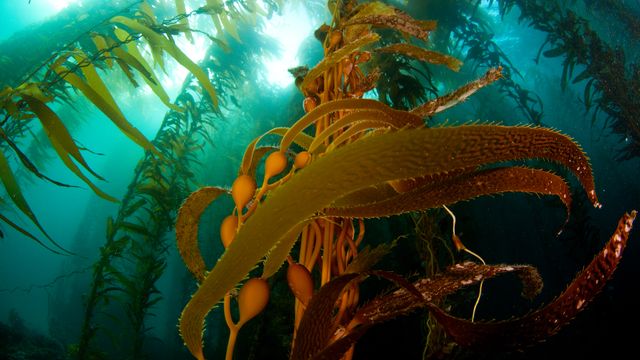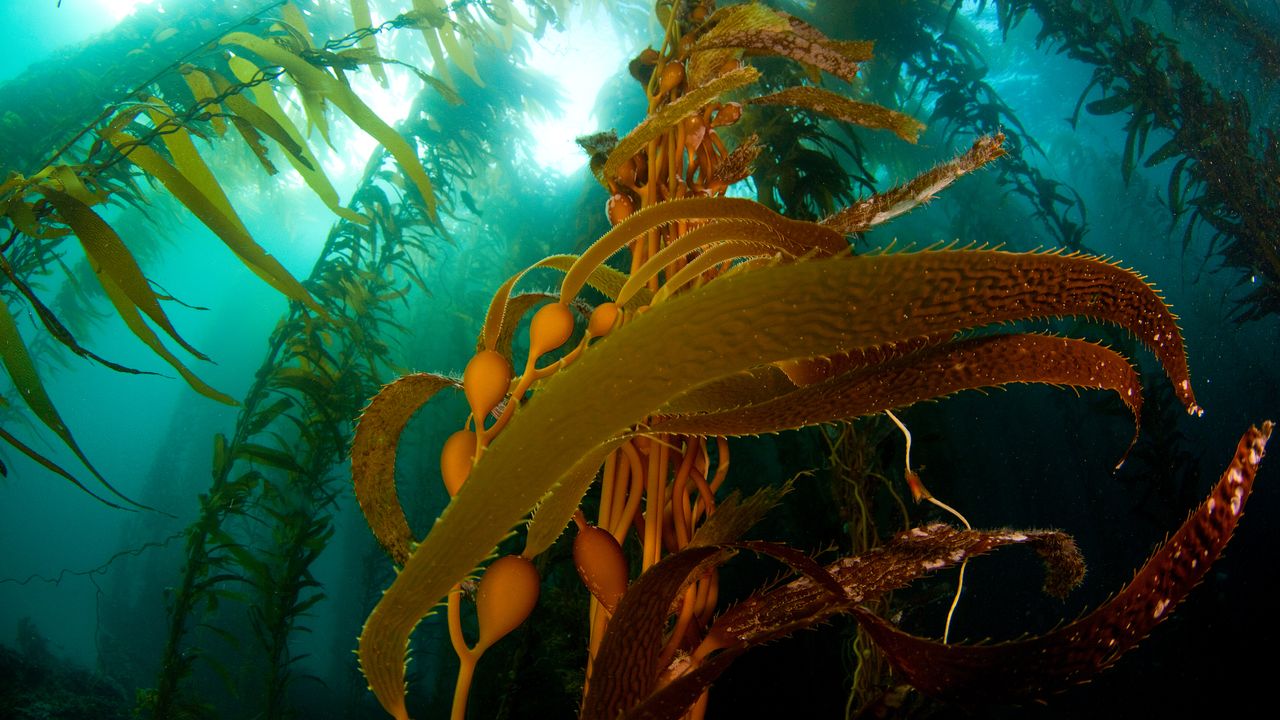
A kelp forest off Anacapa Island, Channel Islands National Park, California, USA
© Ian Shive/Tandem Stills + Motio
Kelp. A kelp forest, Channel Islands National Park, California, USA
Off Anacapa Island, California, USA, the ocean grows its own forests. Within Channel Islands National Park—also known as the 'Galápagos of North America'—giant kelp can stretch beyond 30 metres in length, forming buoyant ribbons lifted by air-filled bladders and anchored below by rootlike holdfasts.
Nothing sits still in this kelp-built vertical world: sunlight filters through the canopy, fronds sway with the surge, and fish thread between stalks like visible currents. Sea lions twist through the openings, sea urchins graze the seafloor and every layer hums with activity. But even this fast-growing seaweed—able to add more than 60 centimetres a day—can vanish quickly. Heatwaves, ocean acidification and changing currents can erase decades of growth in just a few years, leaving open water where a bustling community once stood. Channel Islands National Park protects five islands and the surrounding marine environment, helping conserve one of the world's richest temperate kelp forest ecosystems and the wildlife that depends on it.
Related Images
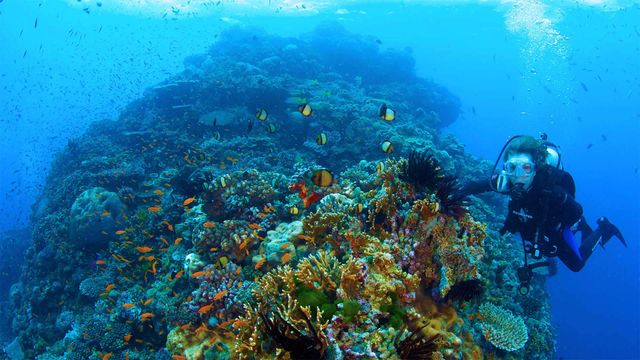 Dr. Sylvia Earle explores the Great Barrier Reef in a scene from 'Mission Blue'
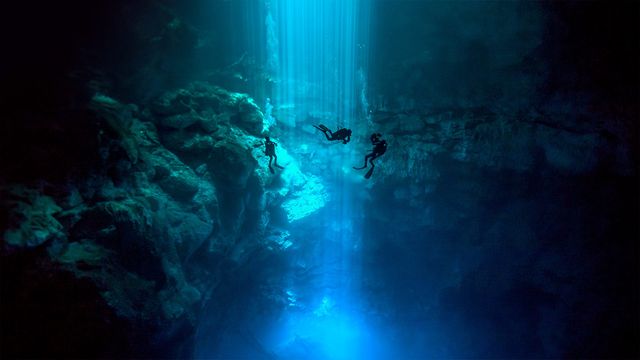 Divers at El Pit Cenote, located in Dos Ojos Natural Park, Quintana Roo, Mexico
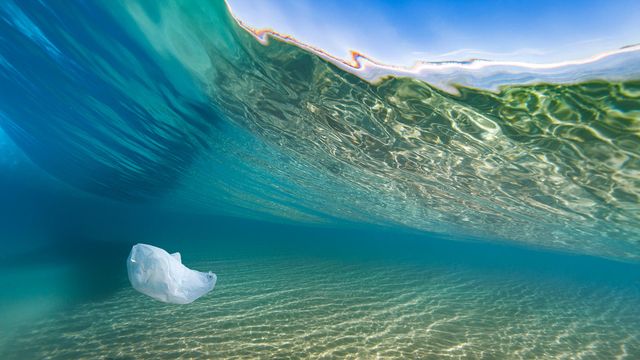 A plastic bag hovers underneath a breaking wave at the beach
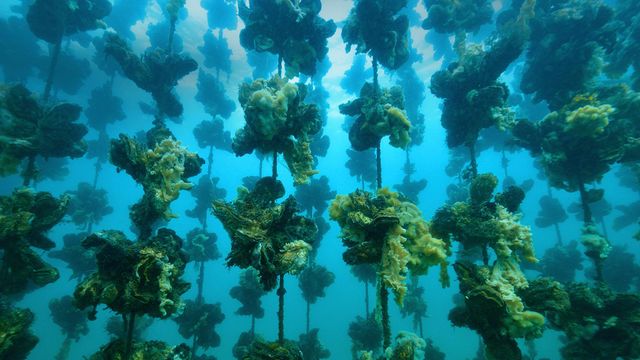 Oyster farm offshore from Notojima Island, Ishikawa Prefecture, Japan
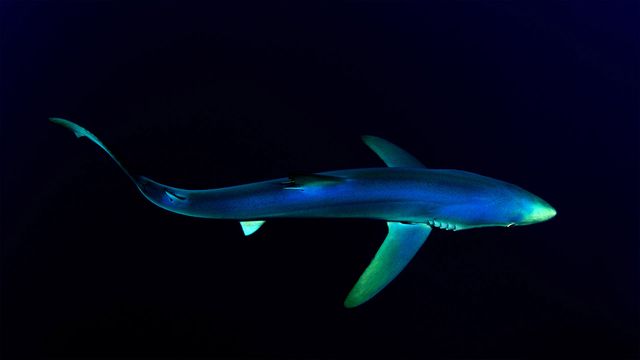 Blue shark near the Azores in the North Atlantic Ocean
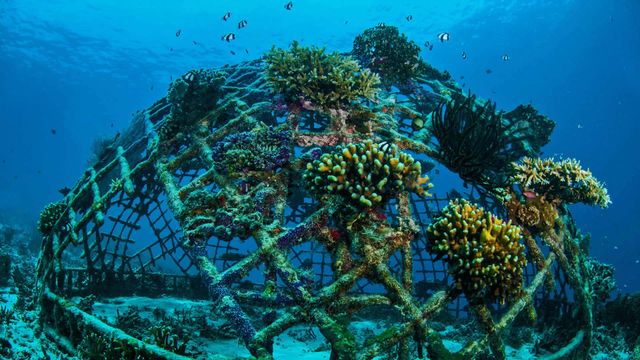 Biorocks growing coral off the Gili Islands, Indonesia
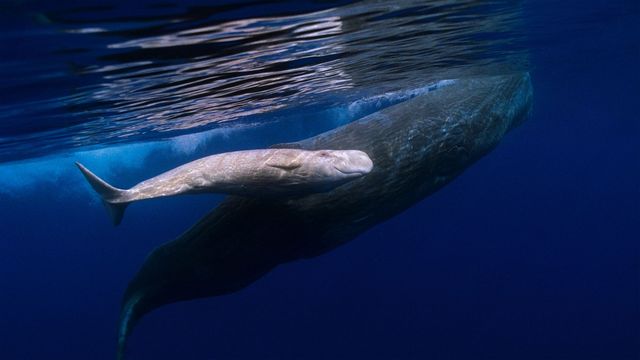 Sperm whale mother and albino baby swimming off the coast of Portugal
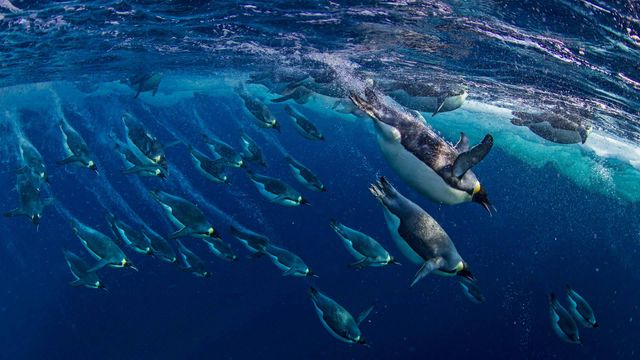 Emperor penguins in the Ross Sea, Antarctica
Bing Today Images