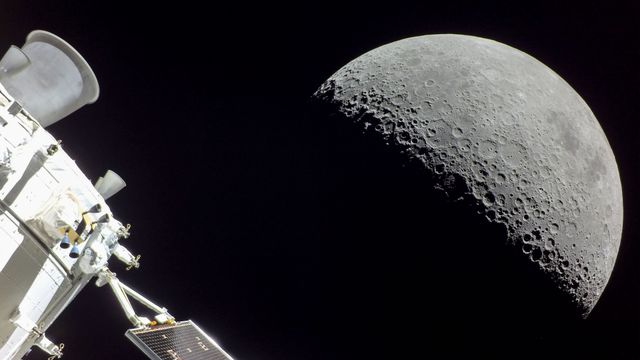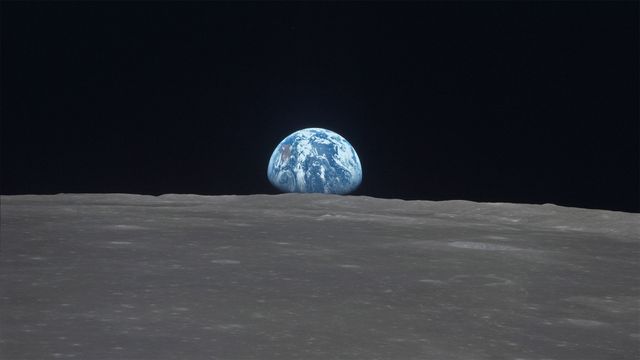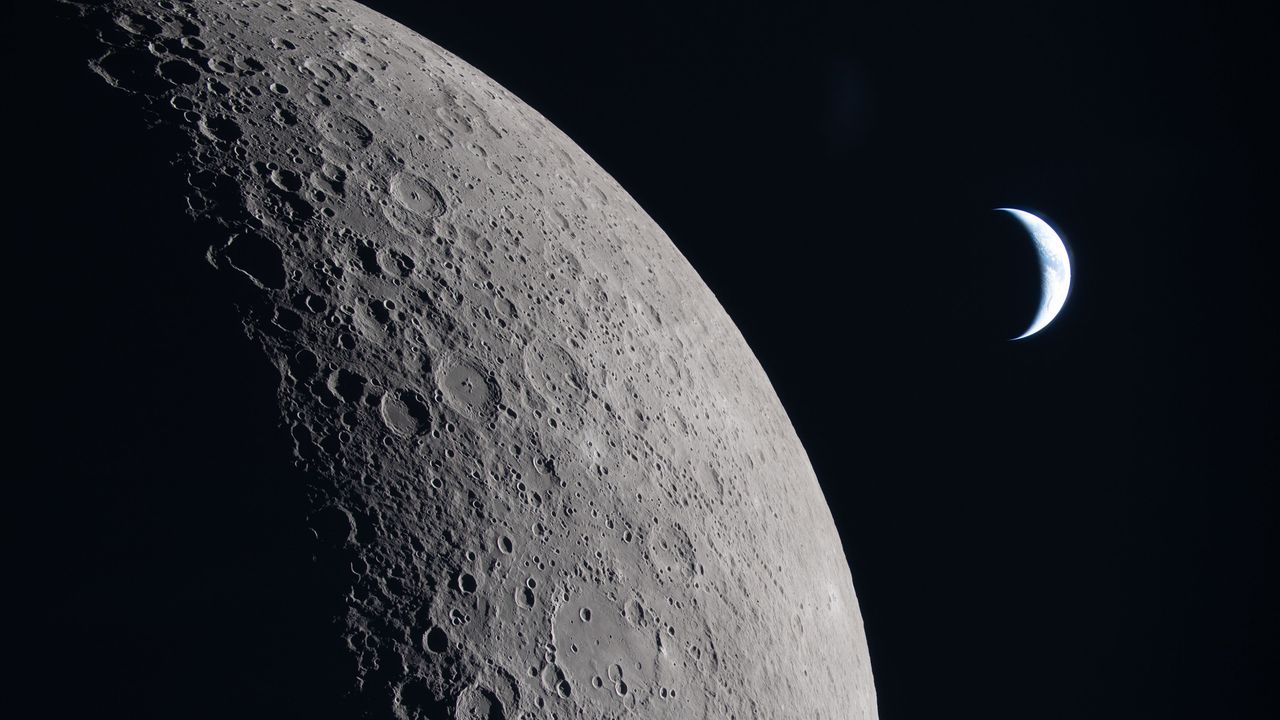
Moon and Earth captured by the Artemis II crew
© NAS
Moon and Earth captured by the Artemis II crew
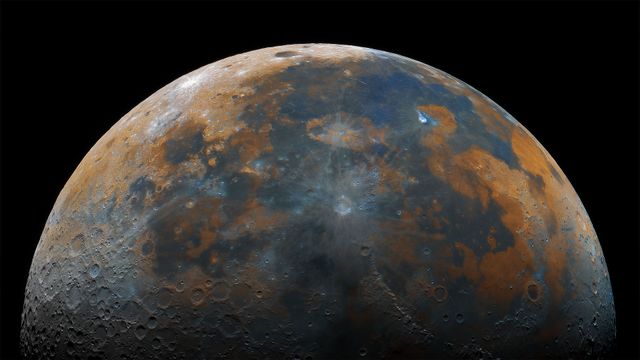
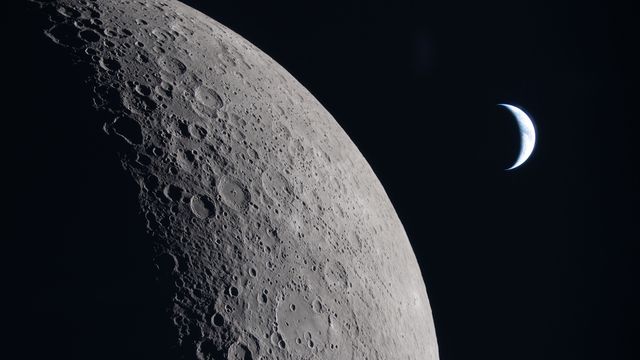
From the moon's cratered surface, Earth can appear as a thin, glowing crescent against the darkness—a rare view that reverses our usual perspective. This stark landscape, shaped by billions of years of impacts, preserves a record of the early solar system. Earlier this year, Artemis II became the first crewed mission to fly around the moon since 1972. Its successful 10-day journey tested the Orion spacecraft and other systems that will support future lunar missions.
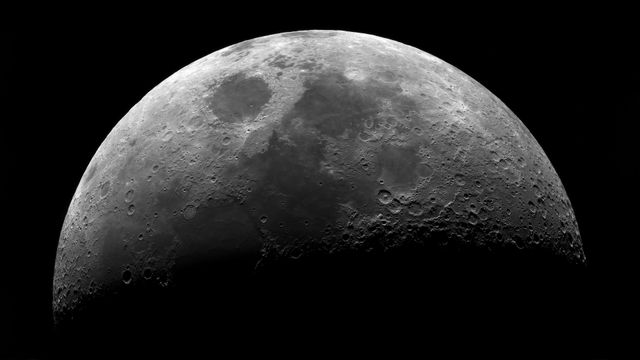
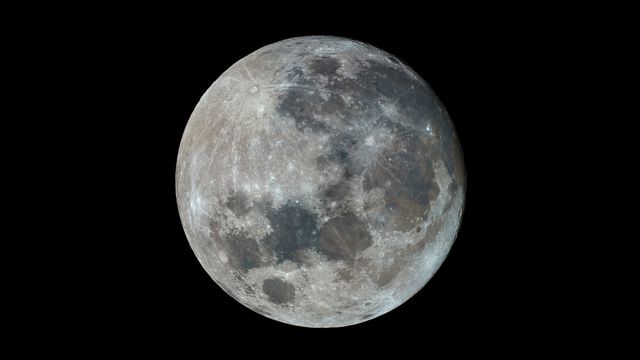
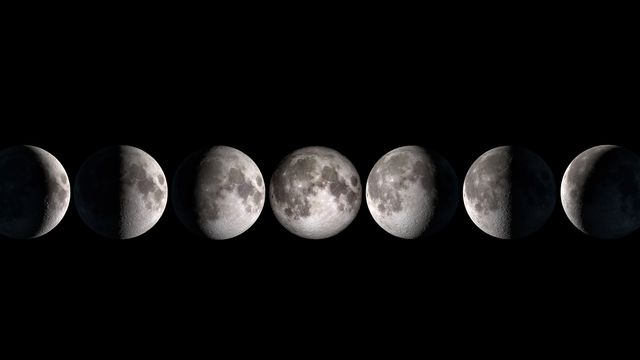
Orbiting about 384,400 kilometres from Earth, the moon is Earth's only natural satellite. With almost no atmosphere, it experiences extreme temperature contrasts between sunlit heat and shadowed cold. Yet its influence reaches far beyond its surface—its gravity helps drive ocean tides on Earth, linking this quiet, airless world to everyday life. More than a destination for exploration, the moon remains a constant presence in our skies, connecting early observations of the night sky to exploration today.
Related Images
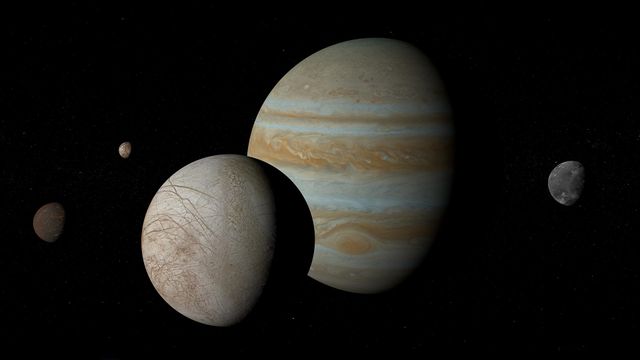 Moons of Jupiter - Io, Europa, Ganymede, and Callisto
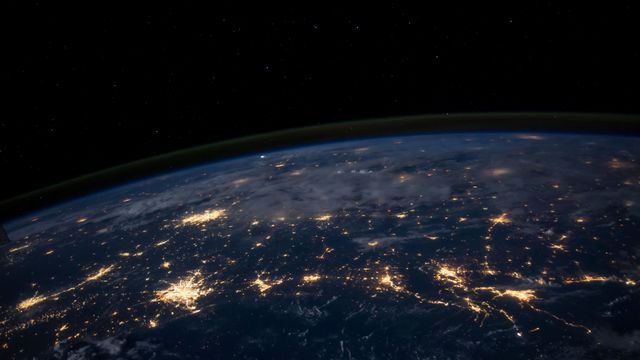 A nighttime view of the Gulf Coast states from 362 kilometres above Earth
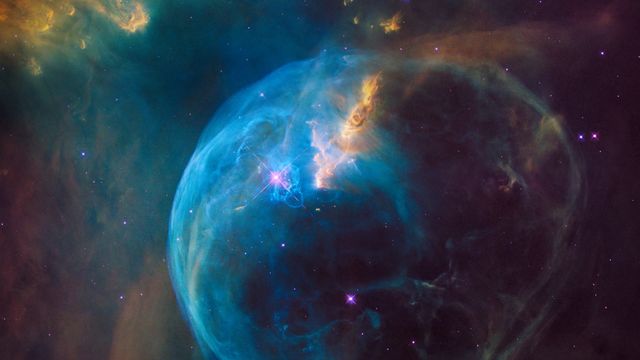 Bubble Nebula (NGC 7635)
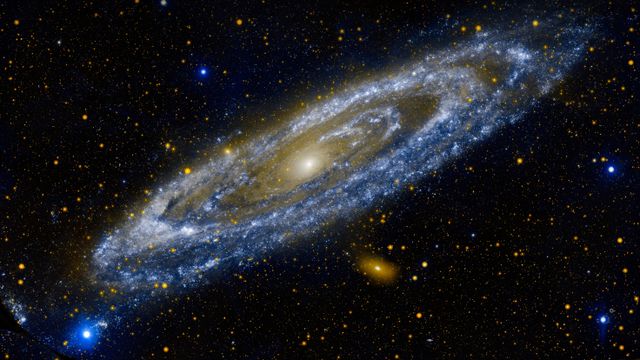 Andromeda Galaxy
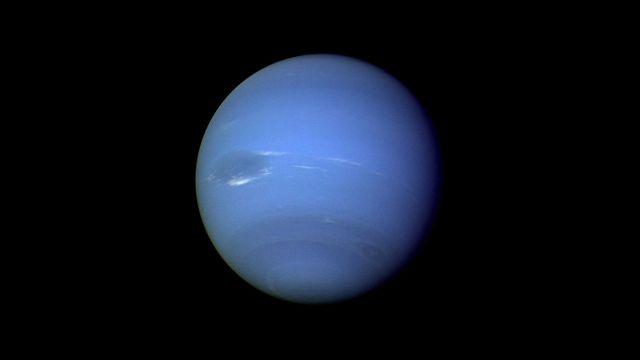 Neptune
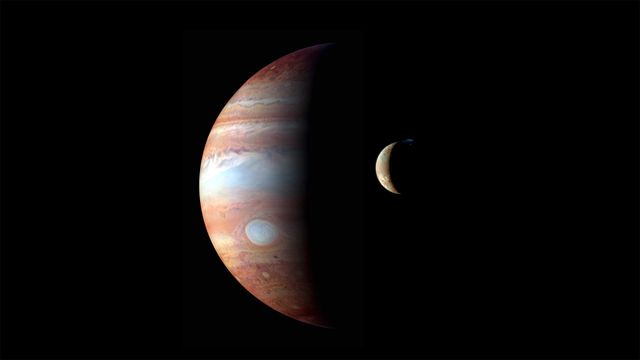 Montage of images of Jupiter and its volcanic moon Io
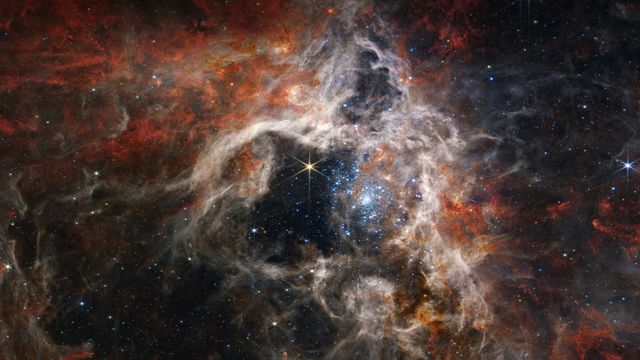 Young stars forming in the Tarantula Nebula, James Webb Space Telescope
Bing Today Images