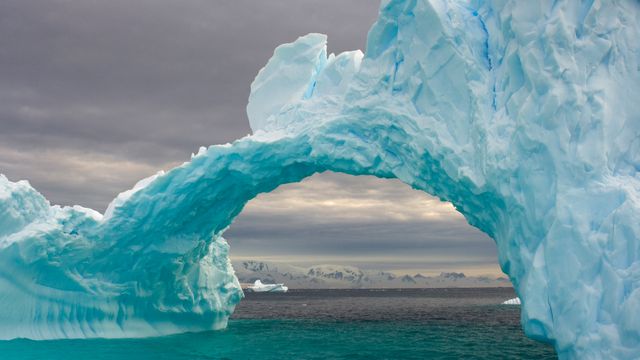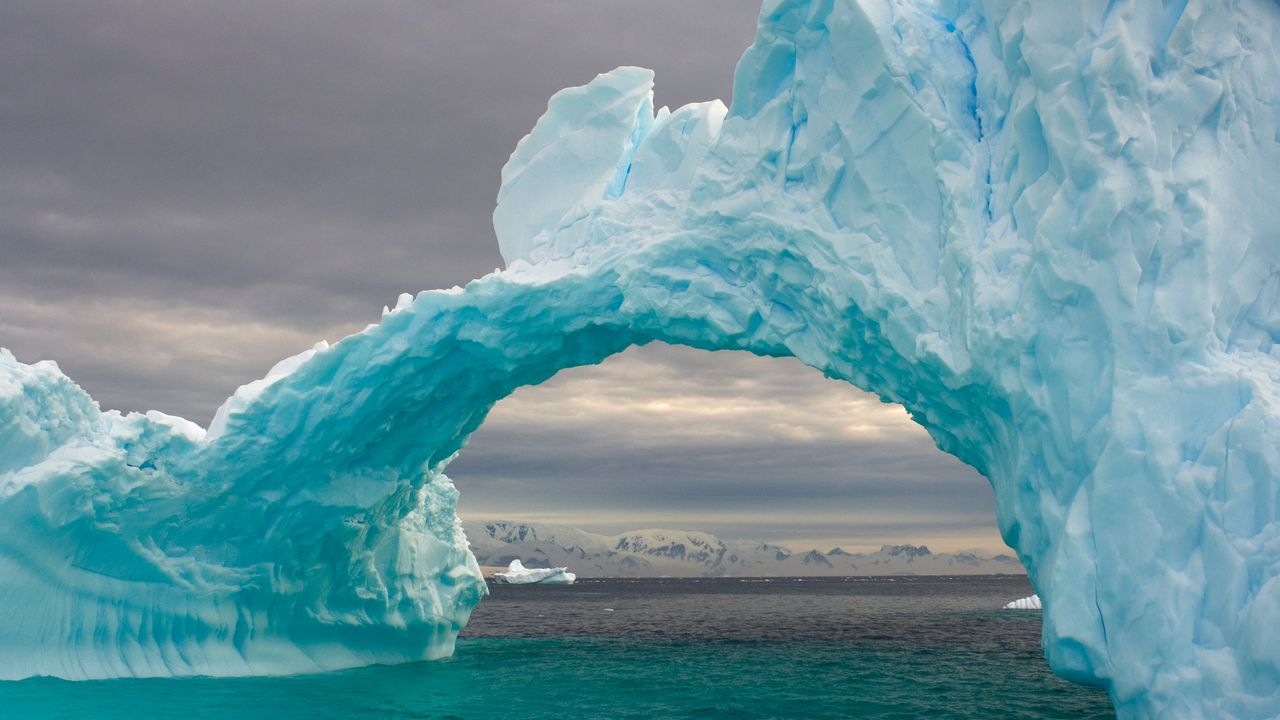
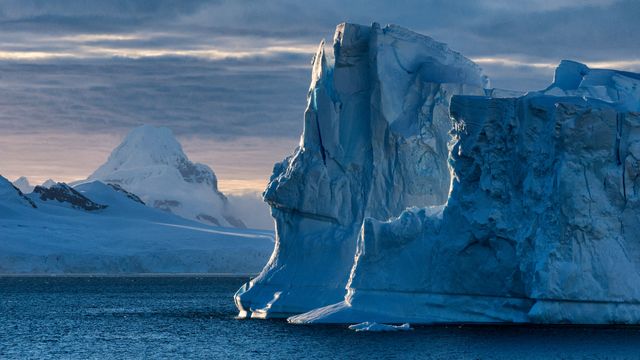
Arched iceberg floating off the western Antarctic Peninsula, Southern Ocean
© Steven Kazlowski/Nature Picture Librar
An ocean's frozen cathedral. Arched iceberg, western Antarctic Peninsula, Southern Ocean
A sculpted arch of ice rises from the Southern Ocean along the Antarctic Peninsula, one of the fastest-warming regions on Earth. This formation began as compacted snow that turned into glacial ice over thousands of years. Eventually, part of a glacier or floating ice shelf fractured and broke free—a process known as calving—creating a drifting iceberg.
Icebergs are classified by size and shape. To qualify, a mass must tower more than about 5 metres above sea level, yet nearly 90% of it remains hidden below the surface. Flat-topped 'tabular' forms are common in Antarctica, while eroded features like this arch fall into irregular, non‑tabular categories.
Though seemingly barren, these floating giants support life. Algae cling to their undersides, feeding swarms of krill, which sustain fish, seals and whales. As ice melts, it releases nutrients that fertilise surrounding waters, turning these frozen sculptures into mobile ecosystems.
Related Images
 A rider hunts with an eagle in the Altai Mountains of Mongolia
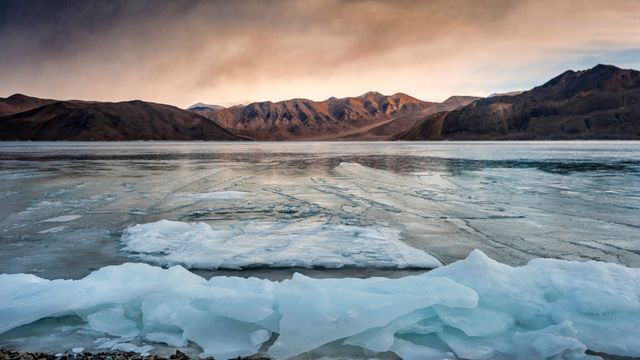 Scenic view of frozen lake, Ladakh.
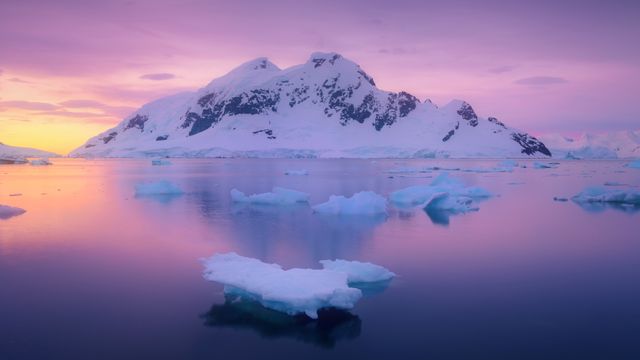 Paradise Harbour, Antarctica
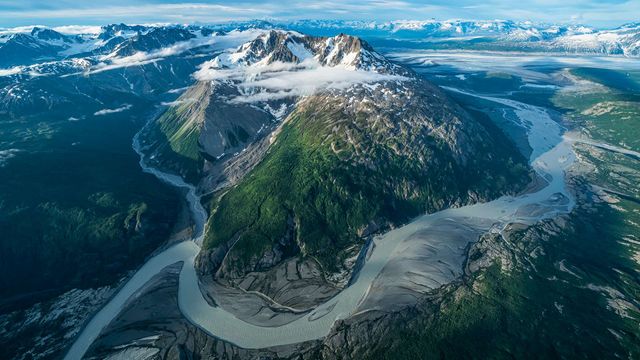 Aerial view of the glaciers and mountains of Kluane National Park and Reserve, near Haines Junction, Yukon, Canada
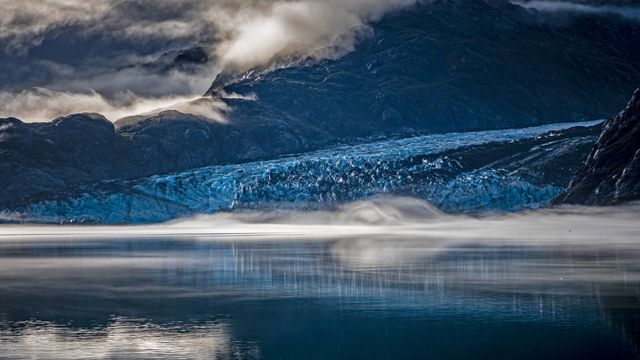 Lamplugh Glacier in Glacier Bay National Park, Alaska
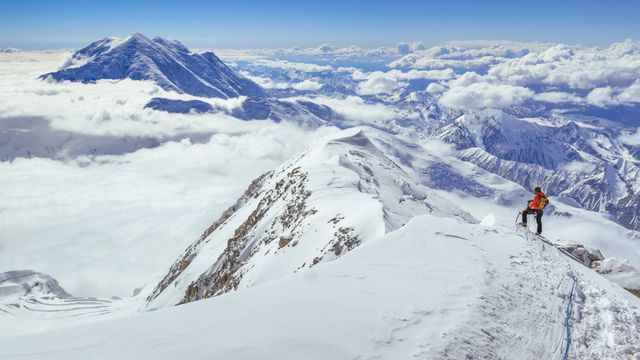 Mount Foraker viewed from Denali, Denali National Park, Alaska, USA
 Blue icebergs near Cuverville Island, Antarctica
 The shadow of Mount Everest over the western Himalayas in Nepal
Bing Today Images