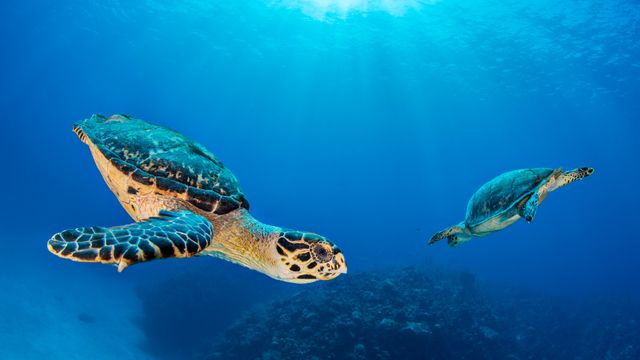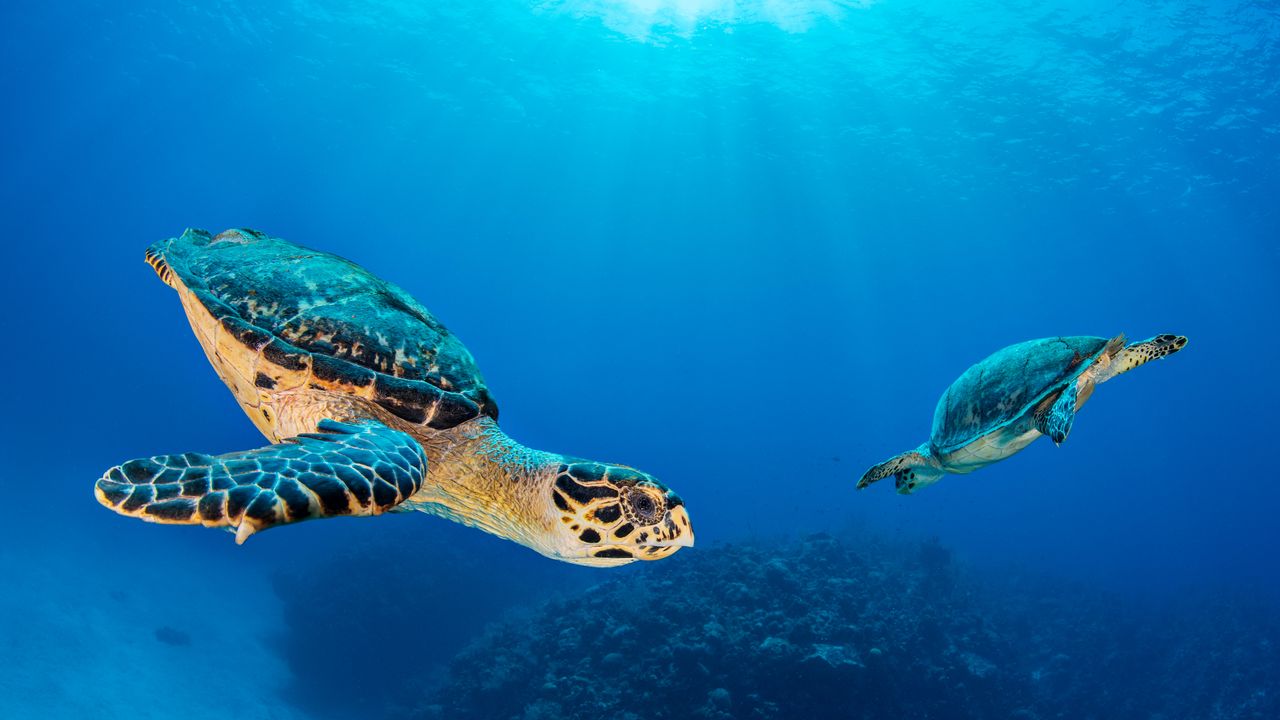
Hawksbill sea turtle pair near Seven Mile Beach, Grand Cayman, Cayman Islands
© Alex Mustard/Nature Picture Librar
Hawksbill sea turtle pair, Grand Cayman, Cayman Islands
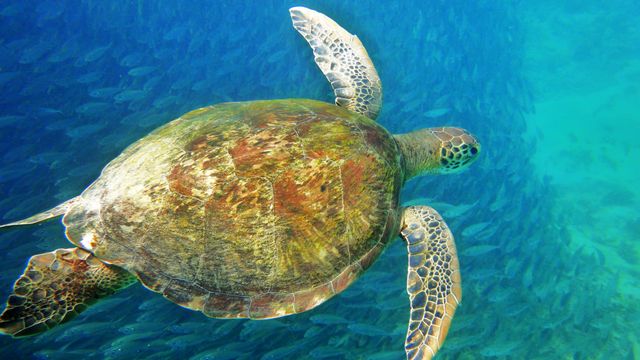
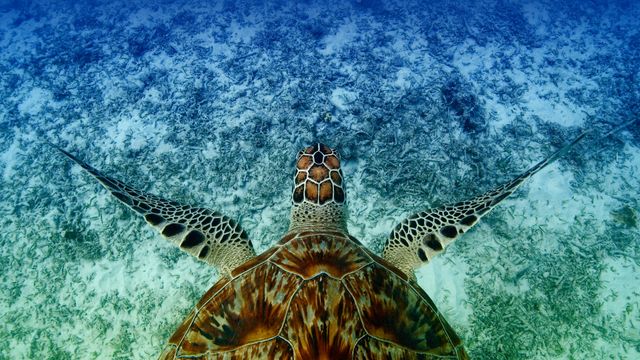
Sea turtles have been navigating Earth's oceans for more than 100 million years. Imagine crossing vast stretches of open water and returning to the same beach decades later. Long migrations between feeding and nesting grounds are central to their lives, with some travelling thousands of kilometres across the oceans. They also play an important role in marine ecosystems by maintaining seagrass beds and helping to keep coral reefs healthy. Despite their resilience, all sea turtle species face threats including habitat loss, plastic pollution, climate change and accidental capture in fishing gear.
Pictured here near the Cayman Islands, a pair of hawksbill sea turtles glide through clear Caribbean waters. Known for their patterned shells and narrow, hawk-like beaks, hawksbills help maintain reef balance by feeding mainly on sponges, which prevents sponges from overtaking corals. Their beautifully patterned shells once fuelled the global tortoiseshell trade. Critically endangered, they are among the rarest sea turtle species, making encounters like this even more remarkable.
Related Images
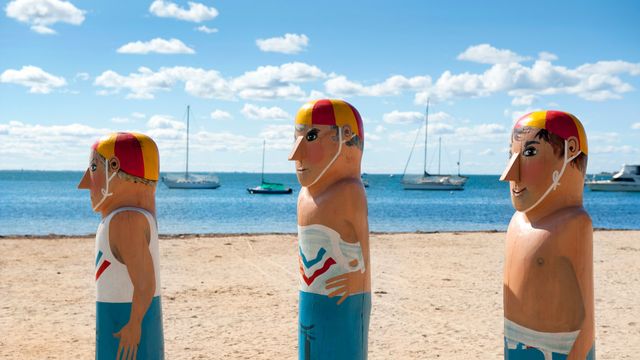 Painted bollards by Jan Mitchell along the Geelong waterfront precinct
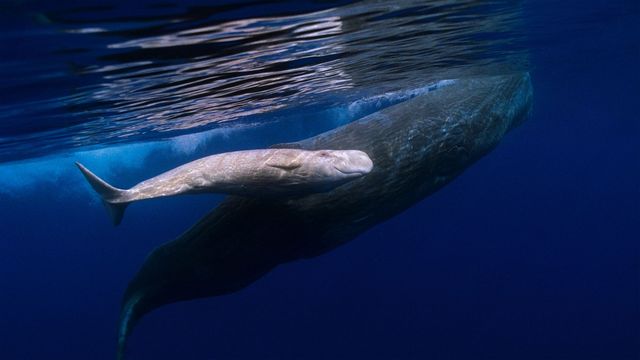 Sperm whale mother and albino baby swimming off the coast of Portugal
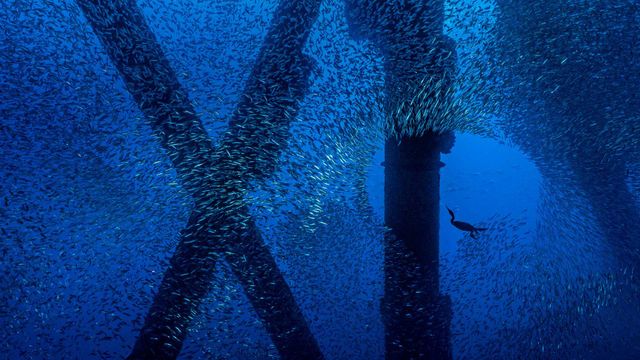 A Brandt's cormorant hunts for a meal in a school of Pacific mackerel beneath an oil rig off the coast of Los Angeles, California
 Bubbles in the ice of Abraham Lake in Alberta, Canada
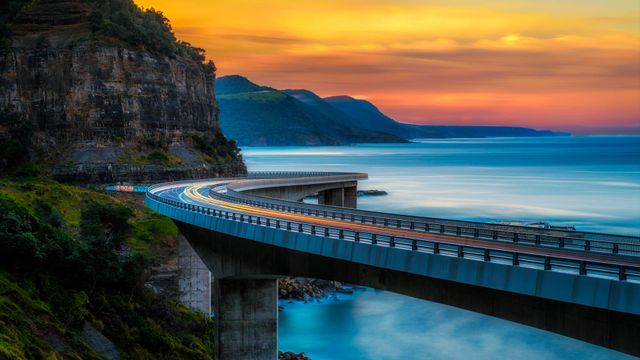 Sea Cliff Bridge along Australian Pacific Ocean coast
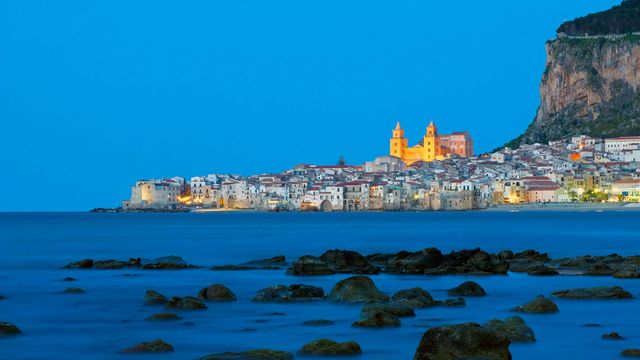 Cefalù on Mediterranean Sea in Sicily, Italy
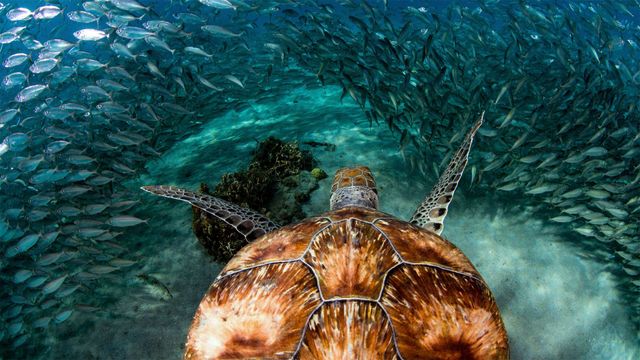 Green sea turtle with sardines near Playa Grandi Beach, Curaçao
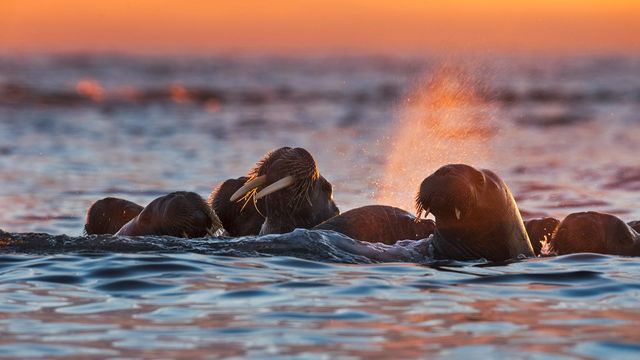 Walruses near Kvitøya in the Svalbard archipelago, Norway
Bing Today Images