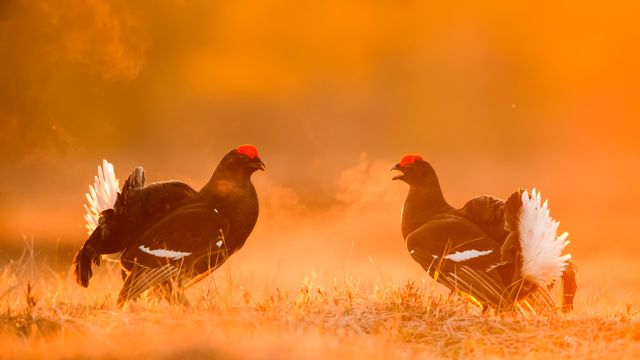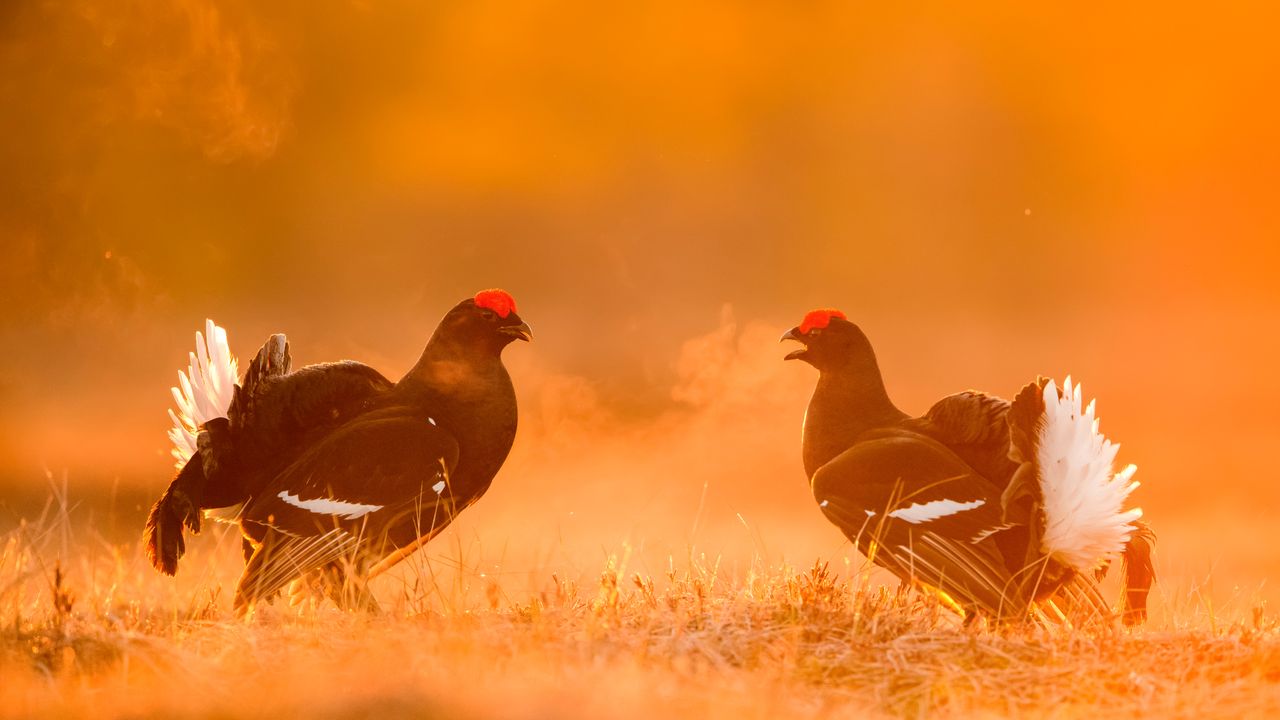
Black grouse males facing off on a lekking site, Estonia
© Sven Zacek/Nature Picture Librar
The lek side story. Black grouse males, Estonia
Before sunrise, the moorland clock punches in—and the dance floor opens. Male black grouse don't send invites; they boom them. Welcome to lekking season, where romance is competitive, noisy, and strictly outdoors.
Each spring, male black grouse gather at traditional sites called leks. They fan out their lyre-shaped tails, drop their wings, puff up their white undertail coverts, and produce a low, bubbling 'roo-kooing' call. They also hiss and posture at rivals. No pecking order? There is one—front-row spots usually belong to the most dominant males. Females arrive quietly, watch the show, and choose. Only a few top performers win most of the matings. It's survival of the flashiest.
Lekking peaks at dawn from April to May in the United Kingdom and other parts of Eurasia. After mating, females nest alone and raise the chicks without help. The males? They're off the stage until next season. In short, it's a spring spectacle—where love is loud, rivals ruffle feathers, and the early bird really does get the girl.
Related Images
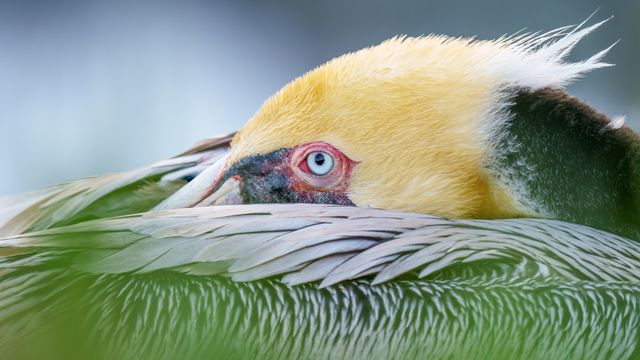 Brown pelican, San Diego, California
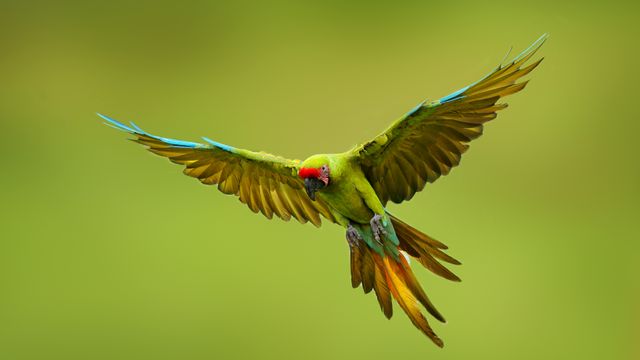 Great green macaw, Mexico
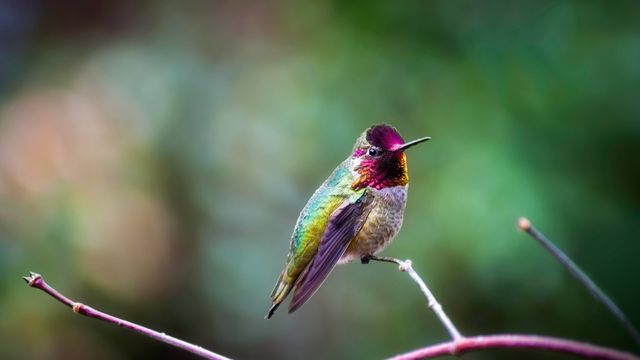 Anna's hummingbird
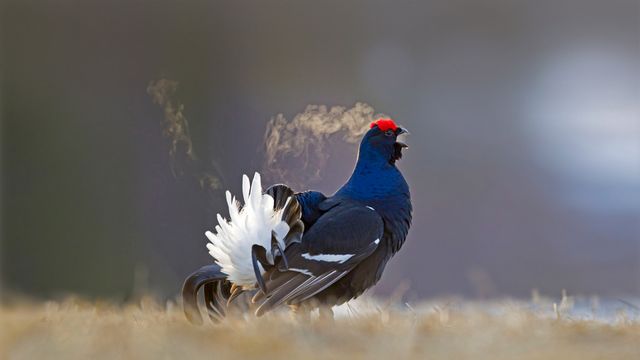 Black grouse male calling at a lek site in Kuusamo, Finland
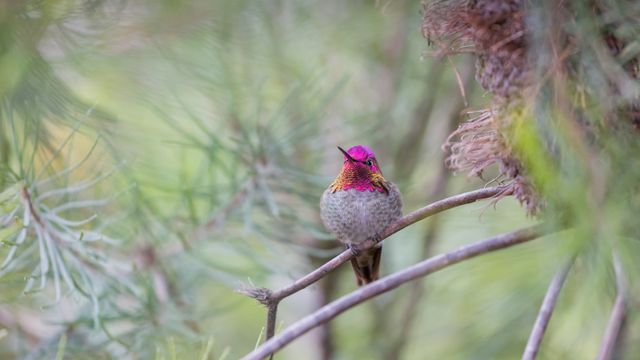 Anna's hummingbird, Santa Cruz, California
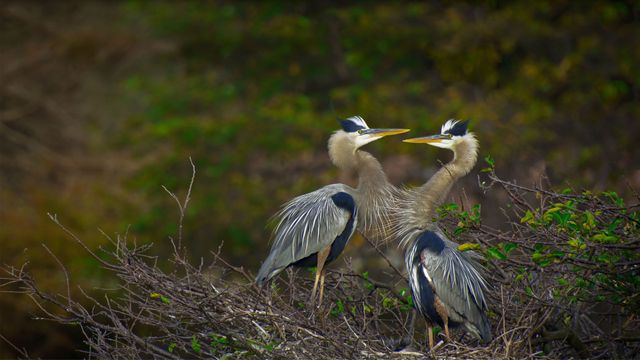 Great blue herons in the Wakodahatchee Wetlands, Delray Beach, Florida
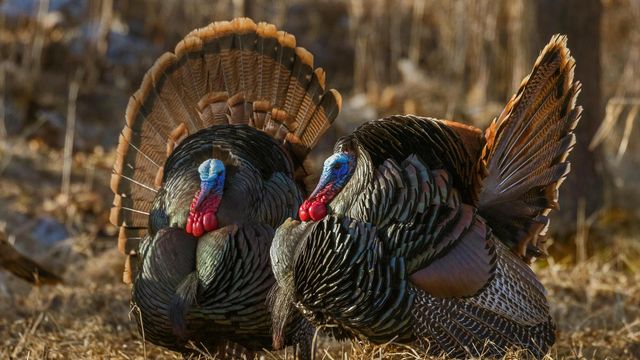 Eastern wild turkeys strutting in Wisconsin
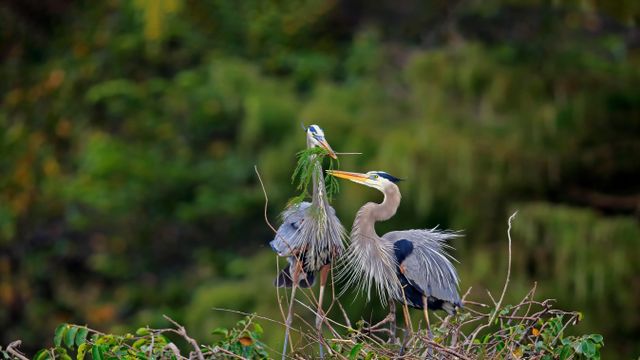 Great blue herons building a nest in Wakodahatchee Wetlands, Delray Beach, Florida
Bing Today Images