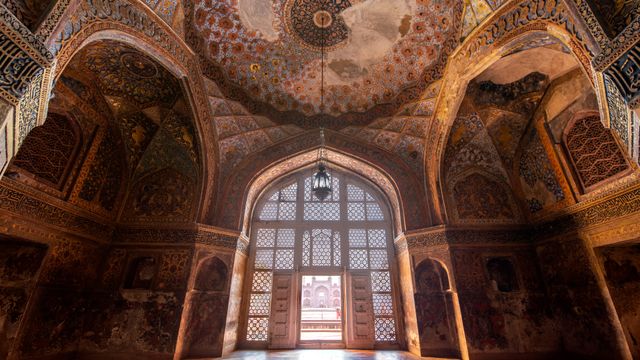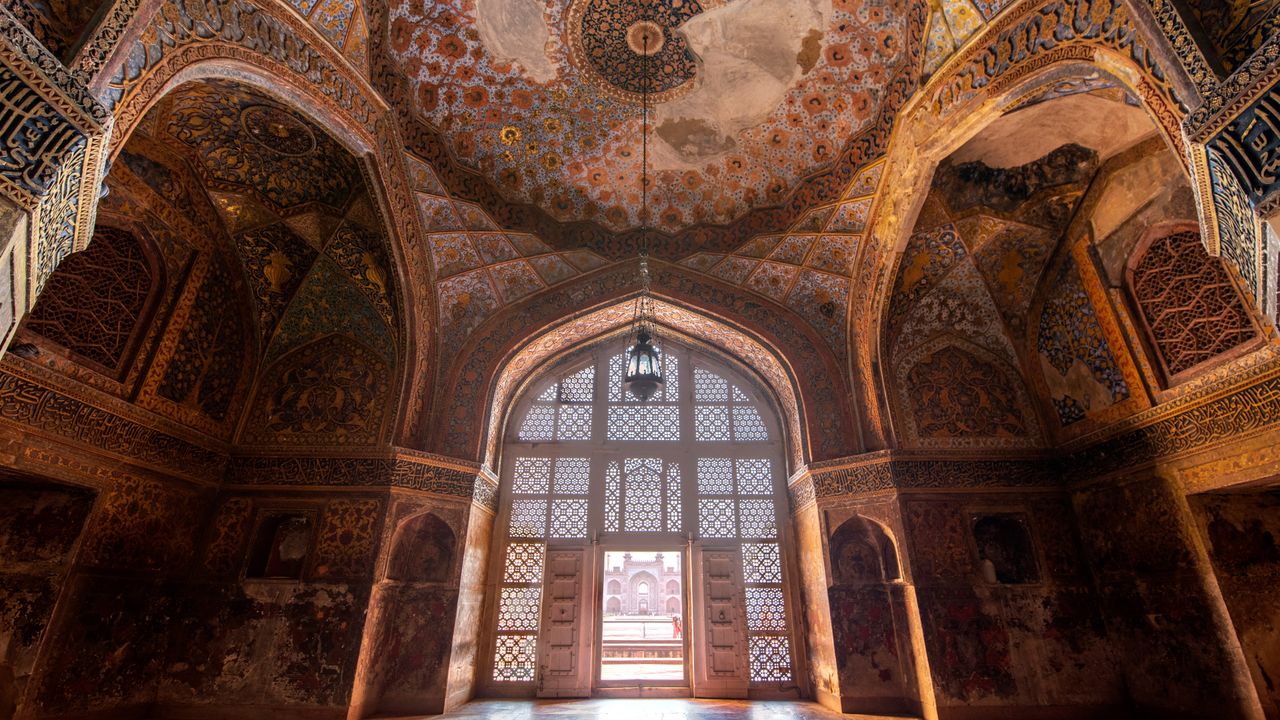
Akbar's tomb, Agra, Uttar Pradesh
© zeelichsheng/Shutterstoc
Geometry of glory. Akbar's tomb, Agra, Uttar Pradesh
Some emperors leave behind crowns;. Akbar left a blueprint. Located in Sikandra, near Agra in Uttar Pradesh, Akbar's tomb reflects the vision of one of the Mughal Empire's most influential rulers. Built between 1605 and 1613 and completed by his son Jahangir, the mausoleum blends Islamic, Hindu, Buddhist and Persian design elements. It's unity carved in stone.
Unlike the marble spectacle of the Taj Mahal, this monument relies mainly on red sandstone with marble accents. The structure rises in five tiers, ending in an open marble pavilion instead of a dome. The complex is set within a charbagh (four-quartered) garden divided by pathways and water channels. Inside lies Akbar's cenotaph, while his actual grave rests below. Akbar ruled from 1556 to 1605. His empire expanded, but so did his ideas—especially religious tolerance. Even in death, he brings different worlds together.
Related Images
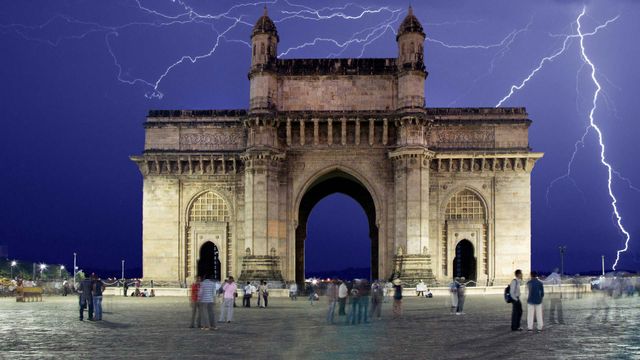 View of the Gateway of India during a storm
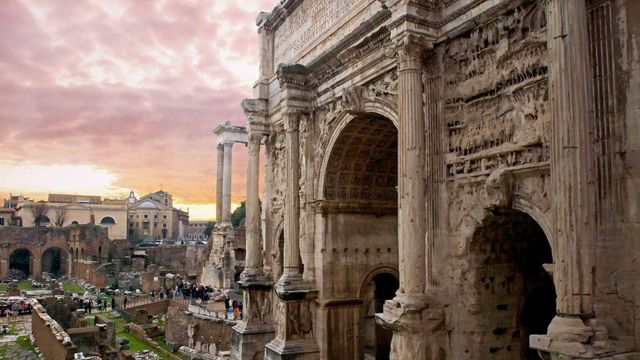 At the Arch of Septimius Severus in the Roman Forum for the ides of March
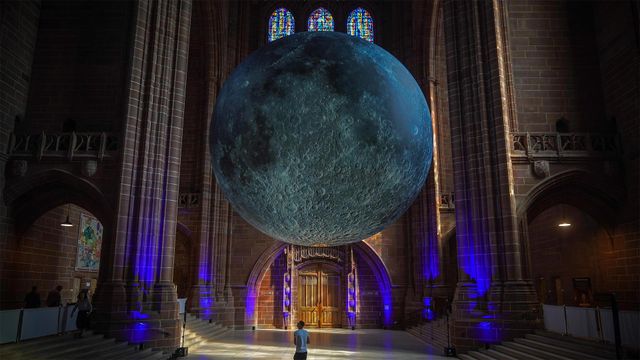 Artist Luke Jerram's installation 'Museum of the Moon' at Liverpool Cathedral, England
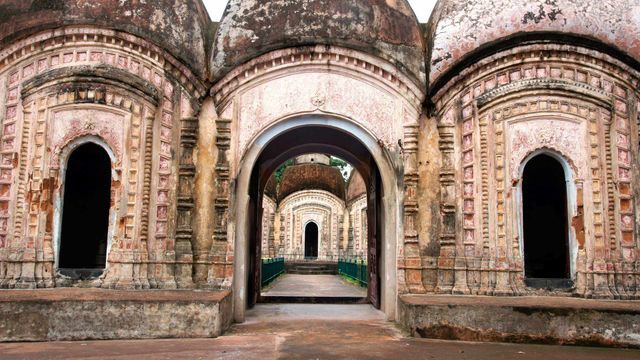 108 Shiva temple, Kalna, Bardhaman district, West Bengal
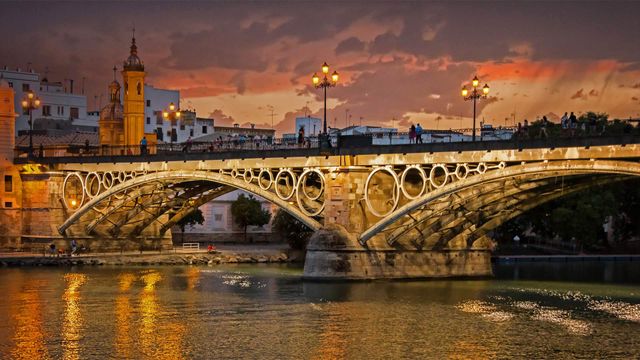 Seville, Spain’s Guadalquivir River and Triana Bridge for the 500th anniversary of Magellan’s departure
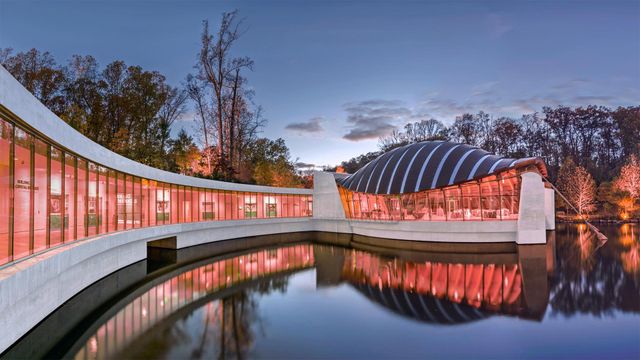 The Crystal Bridges Museum of American Art in Bentonville, Arkansas
 Adalaj, one of the finest of the Gujarati stepwells
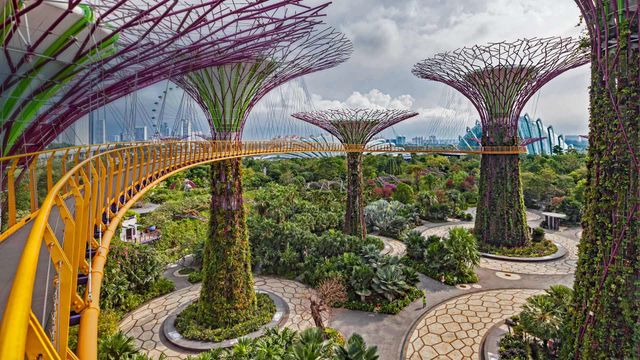 The Supertree Grove in Singapore's Gardens by the Bay
Bing Today Images