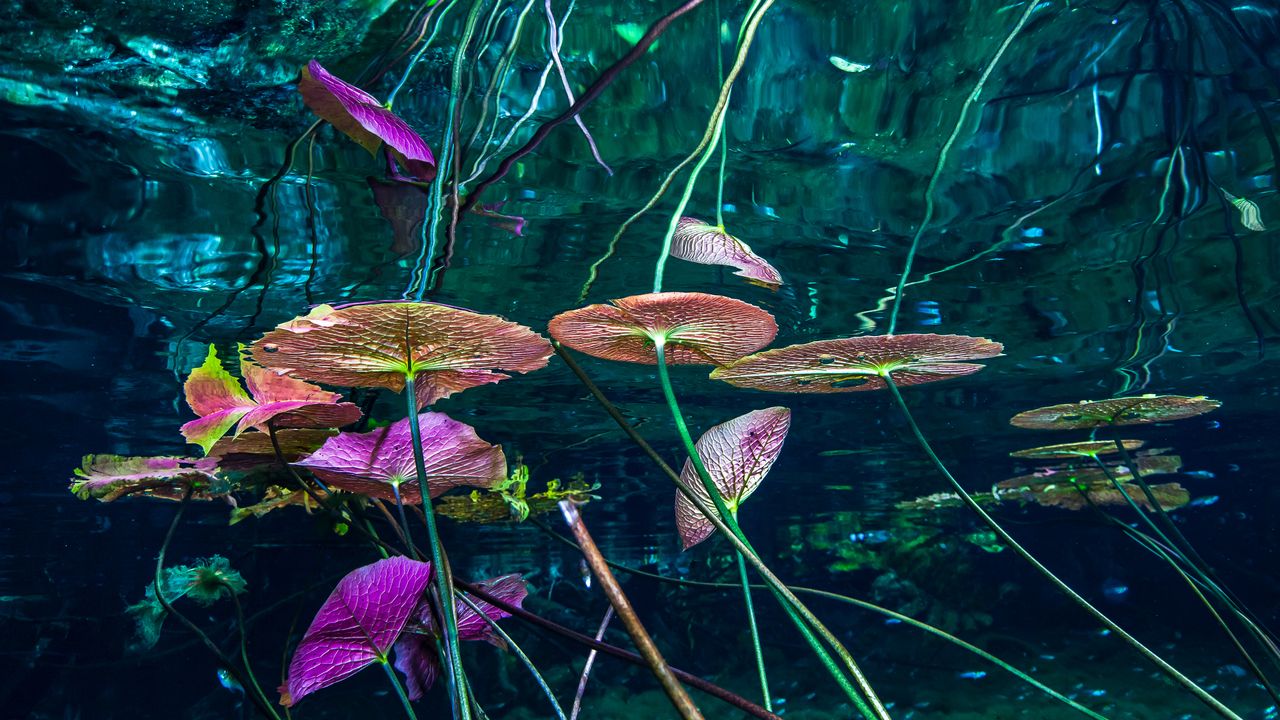
Water lilies at Grand Cenote, Tulum, Mexico
© Christian Vizl/Tandem Stills + Motio
The pulse beneath the pond. Water lilies at Grand Cenote, Tulum, Mexico
Floating lilies, glass-clear pools, and a hidden world below: welcome to the Grand Cenote in Tulum, Mexico. This natural sinkhole formed thousands of years ago when collapsing rock let aquifer waters in. Over time, the chamber filled with clear freshwater that now connects a vast underground system of caves. At first, our eyes rest on the still surface. The water lilies we see in the image float without hurry, their broad leaves catching sunlight while supporting rich ecosystems underneath. These botanical wonders belong to one of the oldest flowering lineages on Earth, dating back more than 125 million years—older than most dinosaurs. Each bloom has evolved clever tricks to attract pollinators—beetles, bees, flies, and even the wind—using scent, shape, and timing to ensure survival in still water.
As we look closer, the scene comes alive: below, fish weave through submerged roots and turtles glide through leafy shade. Overhead, dragonflies trace arcs while tiny insects spark ripples across the water. Drifting gently among the lilies, we find ourselves surrounded by nature's artistry—where every movement, reflection, and shadow reveals rhythms millions of years in the making.
Related Images
 A Brandt's cormorant hunts for a meal in a school of Pacific chub mackerel beneath an oil rig off the coast of Los Angeles, California
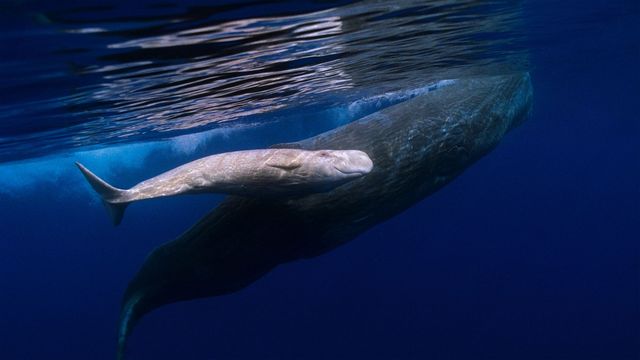 Sperm whale mother and albino baby swimming off the coast of Portugal
 Dr. Sylvia Earle explores Australia's Great Barrier Reef in a scene from 'Mission Blue'
 Green sea turtle with sardines near Playa Grandi, Curaçao
 Biorock artificial reef off the Gili Islands, Indonesia
 Emperor penguins in the Ross Sea, Antarctica
 Yunishigawa Kamakura Festival in Tochigi Prefecture, Japan
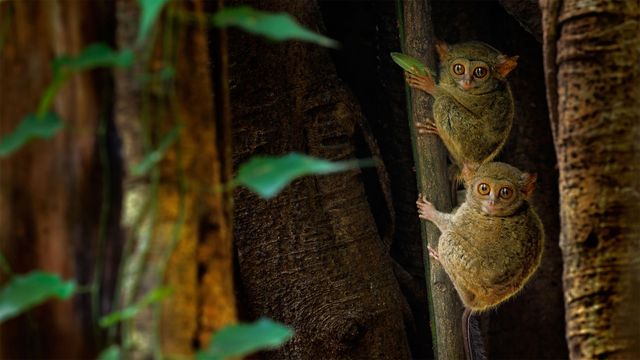 Spectral tarsiers in a ficus tree in Tangkoko Batuangus Nature Reserve, Indonesia
Bing Today Images