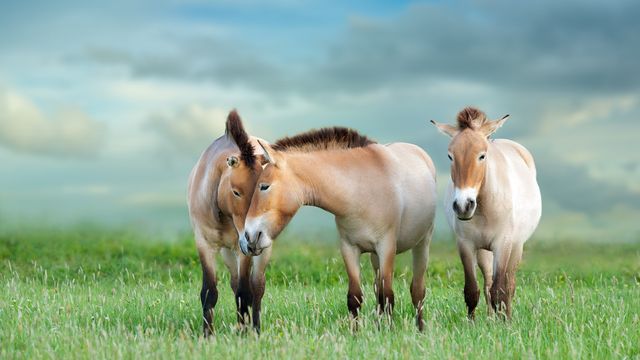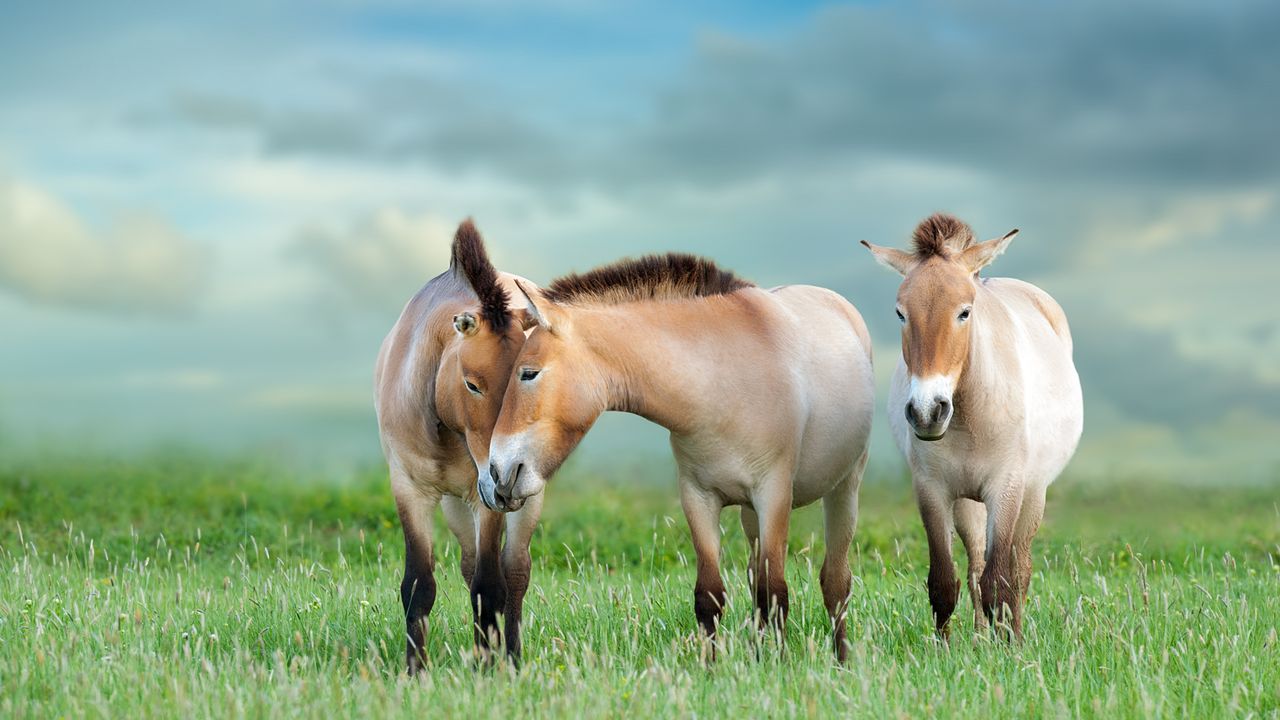
Przewalski's horses
© Nemyrivskyi Viacheslav/Getty Image
Born to stay wild. Przewalski's horses
This species missed the domestication memo and kept going on its own terms. Say hello to Przewalski's horse, considered the last truly wild horse on Earth. Once widespread across Central Asia, it disappeared from the wild in the 1960s after decades of hunting, habitat loss, and competition with livestock. Its survival depended on an unlikely lifeline: a small number of individuals captured by early 20th‑century collectors, which became the foundation of all modern Przewalski's horses.
Thanks to global breeding and reintroduction programs, the species has made a cautious comeback. Today, small but stable groups roam protected areas in Mongolia, China, and Russia. Przewalski's horses graze for long stretches, shifting between grasses, herbs, and shrubs as seasons change. They live in small family groups led by a dominant stallion, while bachelor males often form separate bands. Mares usually give birth to a single foal in the late spring, when fresh vegetation peaks.
Even with these gains, recovery remains fragile. Climate extremes and limited genetic diversity continue to challenge recovery. As a symbolic nod, 2026 marks the Year of the Horse in the Chinese calendar—shining a spotlight on a species that nearly vanished but endures against the odds.
Related Images
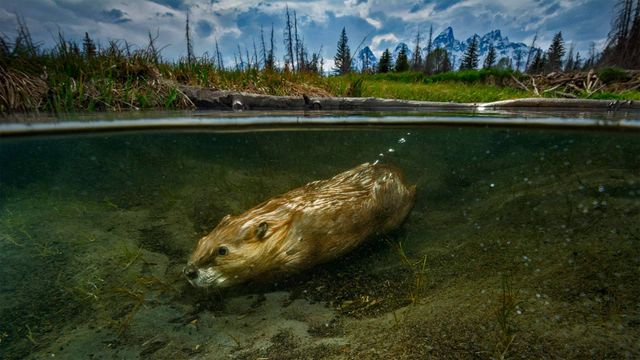 For International Beaver Day, a beaver swimming in Grand Teton National Park, Wyoming
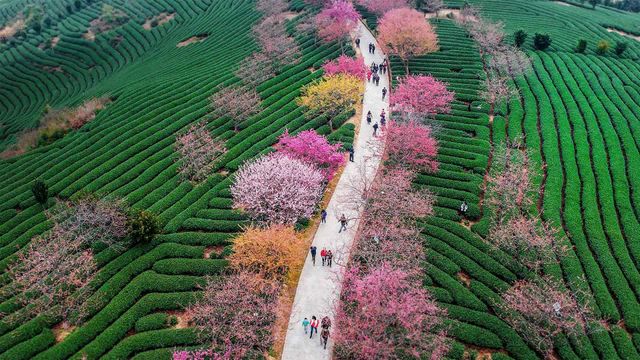 Blossoming cherry trees at a tea plantation in Longyan, China
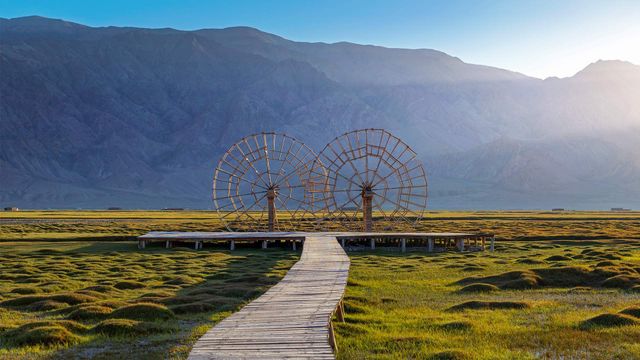 Water wheels in the Tashkurgan Grassland, Tashkurgan Tajik Autonomous County, Xinjiang, China
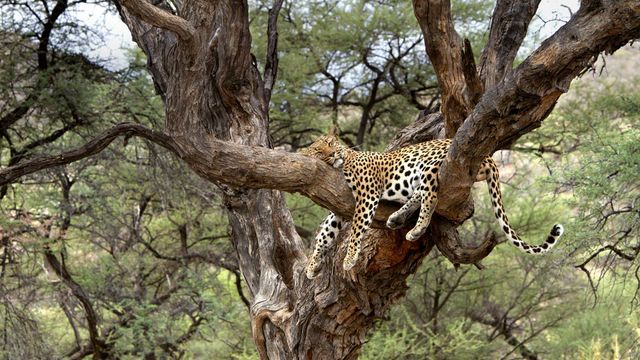 Leopard snoozing in a tree in Namibia for National Napping Day
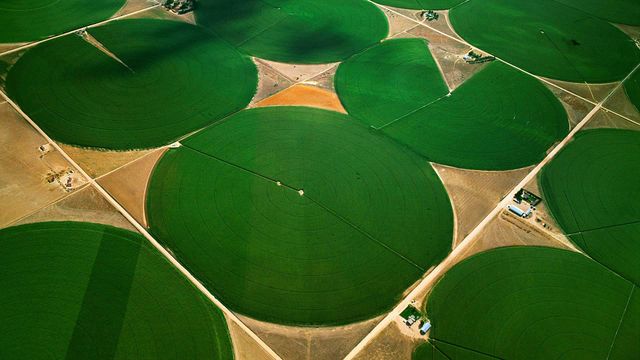 Circular agricultural fields in Morgan County, Colorado
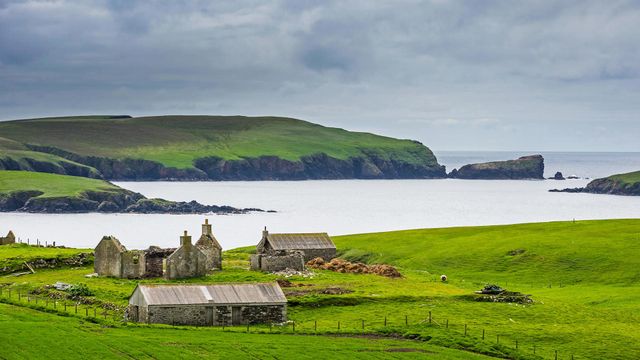 An old farm in the Shetland Islands, Scotland
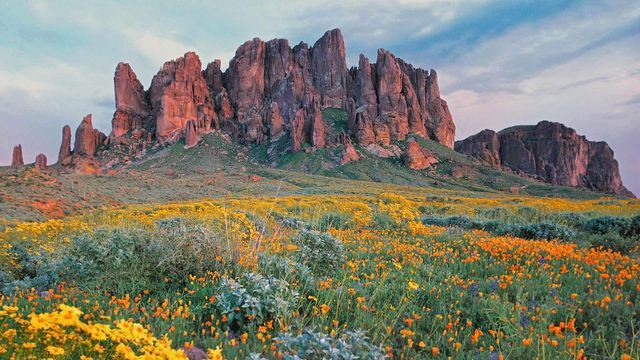 Wildflowers in bloom at Lost Dutchman State Park in Arizona
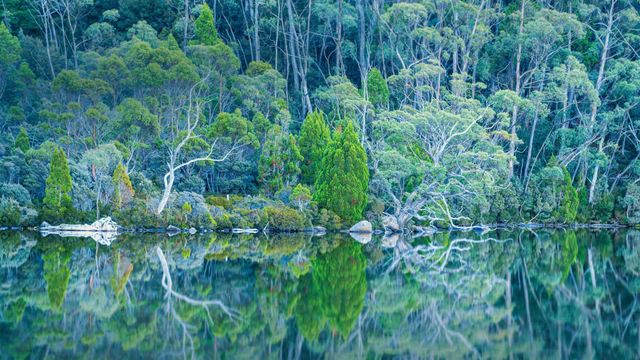 Lake Dobson in Mount Field National Park of Tasmania
Bing Today Images