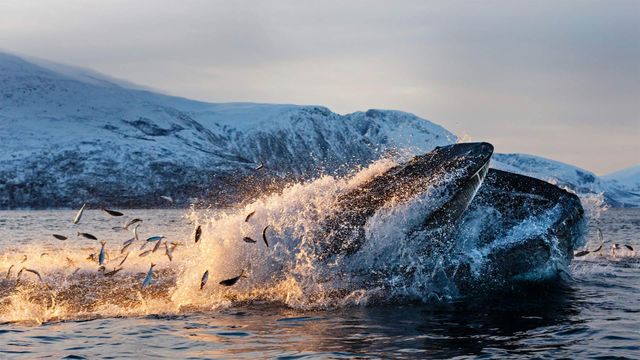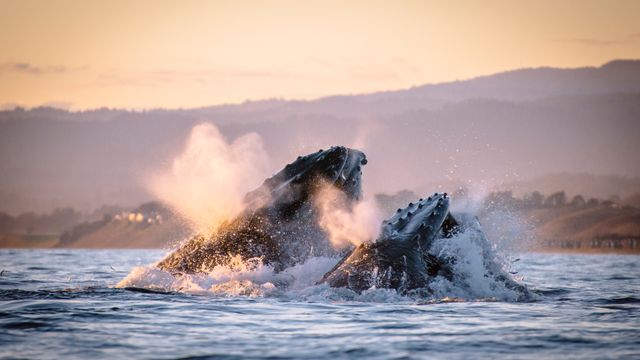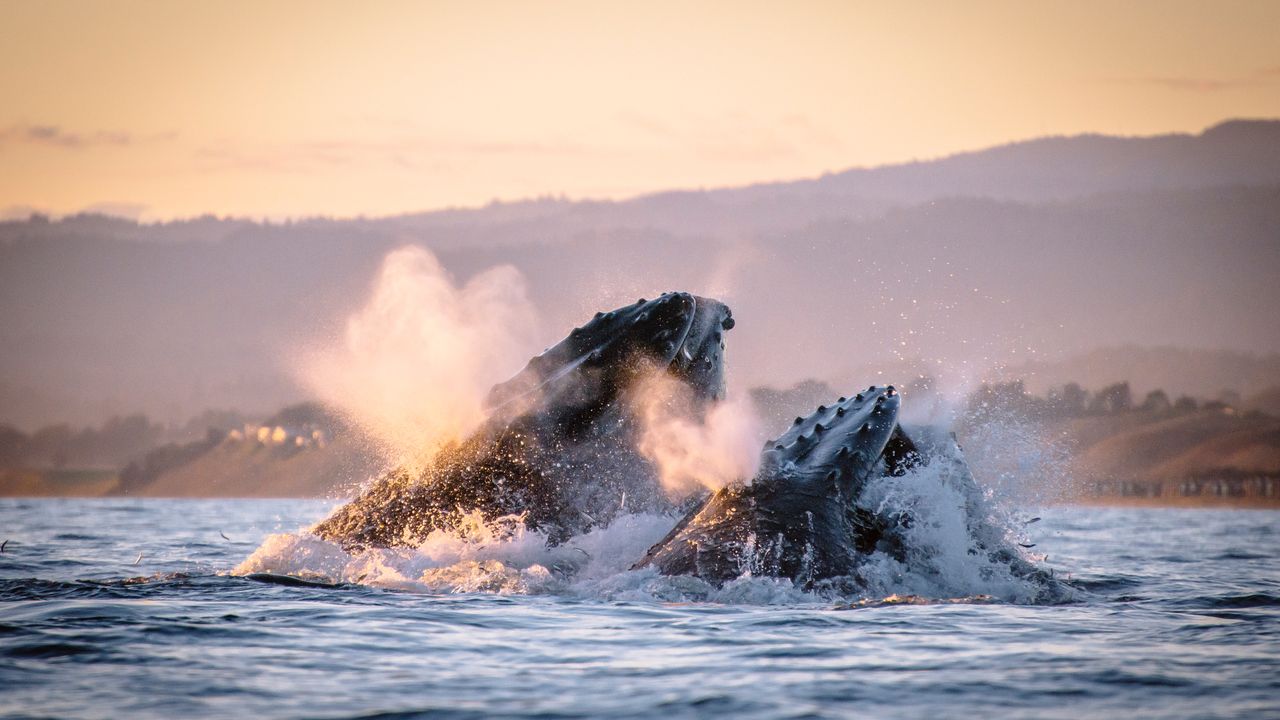
Humpback whales, Monterey Bay, California, United States
© Kiliii Fish/Cavan Image
Songs beneath the waves. World Whale Day
World Whale Day, observed on the third Sunday of February, began in the 1980s in Hawaii, where communities celebrated the seasonal return of migrating humpback whales. The day gained wider recognition after the International Whaling Commission's 1986 moratorium on commercial whaling, which marked a major milestone in international whale conservation.
Humpback whales are easily recognisable by their long pectoral fins and are known for their complex songs associated with breeding behaviour. Their predictable migrations bring them close to shore, turning them into both a cultural marker of the season and a focal point for early conservation efforts.
Today, whale conservation extends far beyond hunting restrictions and includes how we use and manage the oceans more broadly. Fishing activity, major shipping routes, underwater noise, plastic waste and rising ocean temperatures all influence whale movement and feeding patterns. Pictured here are humpback whales feeding cooperatively in Monterey Bay, California, United States—a behaviour that depends on healthy ecosystems and reliable prey availability. Whales also contribute to ocean systems by circulating nutrients that support plankton growth and marine food webs. World Whale Day highlights the ongoing importance of thoughtful ocean stewardship in maintaining balanced marine ecosystems.
Related Images
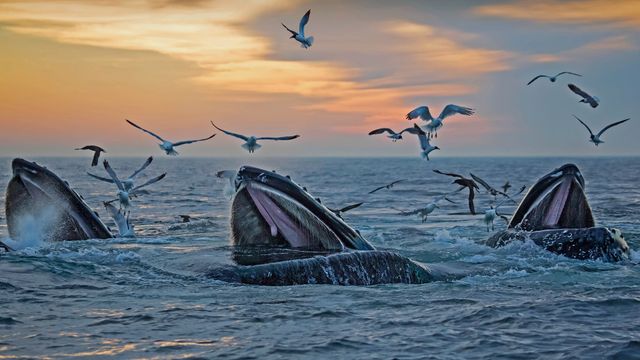 Humpback whales off the coast of Massachusetts, USA
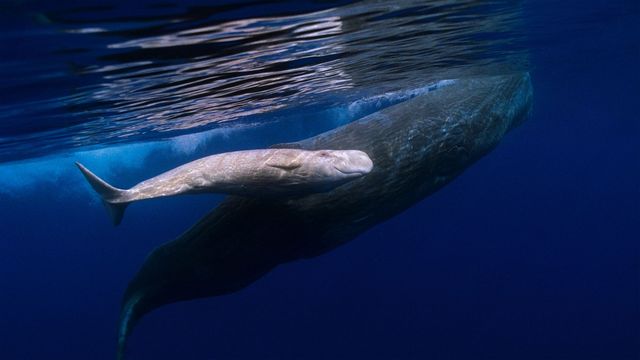 Sperm whale mother and albino baby swimming off the coast of Portugal
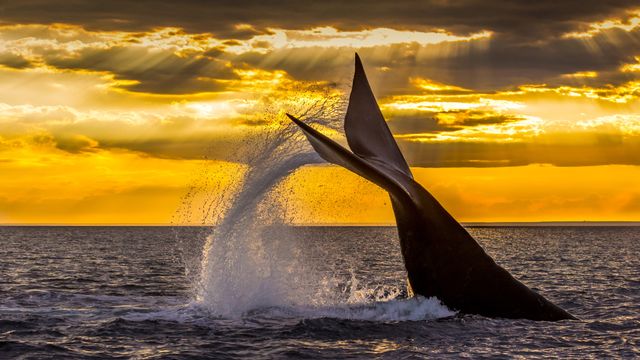 Southern right whale diving in the Golfo Nuevo near the Valdes Peninsula, Argentina
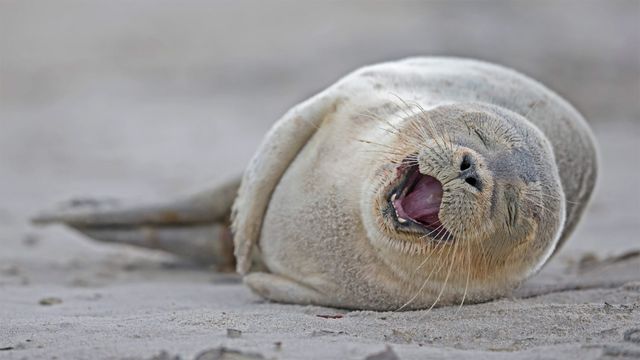 It’s our birthday too, yeah! Harbour seal pup lying on the beach, Heligoland, Germany
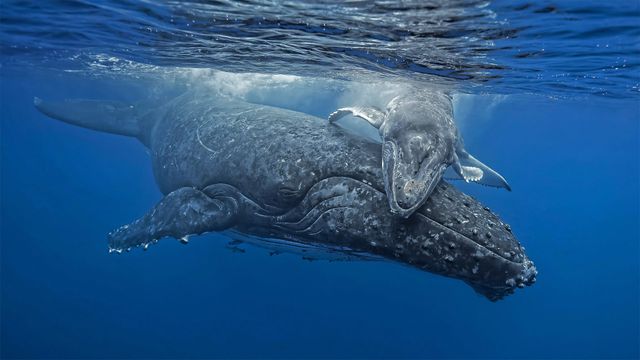 Young humpback whale giving its mother a hug off the coast of Tonga
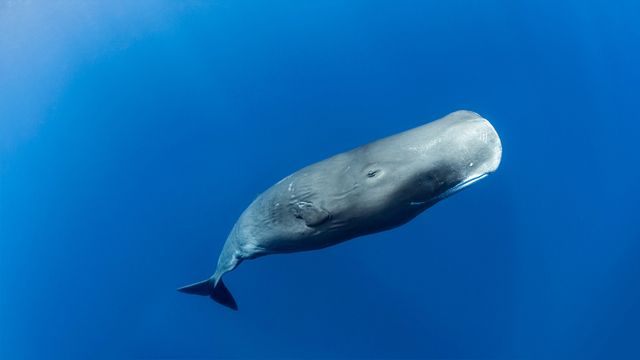 Sperm whale off the coast of Roseau, Dominica, in the Caribbean Sea
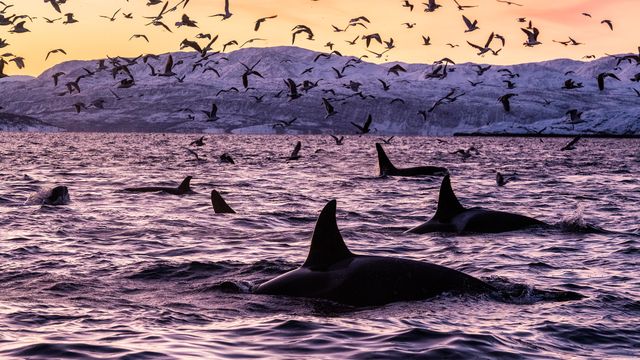 Killer whales in the waters off Spildra, Norway
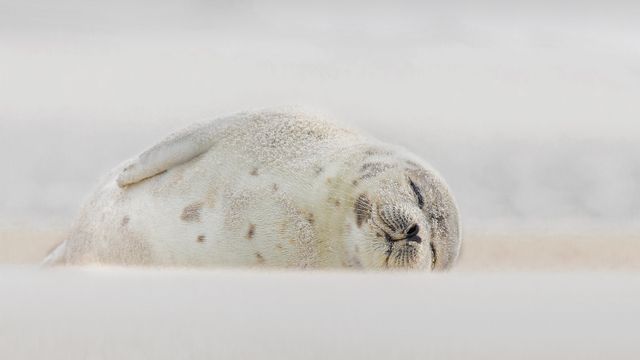 Harp seal sleeping at Jones Beach, Long Island, New York
Bing Today Images