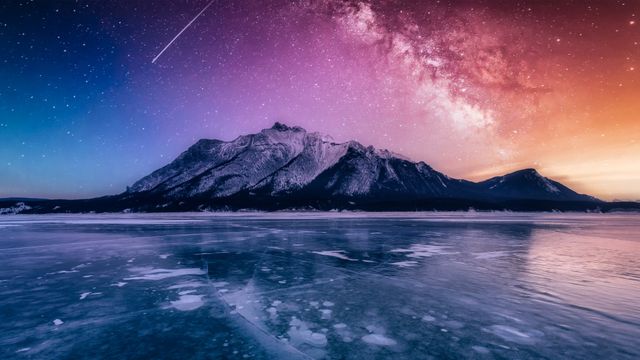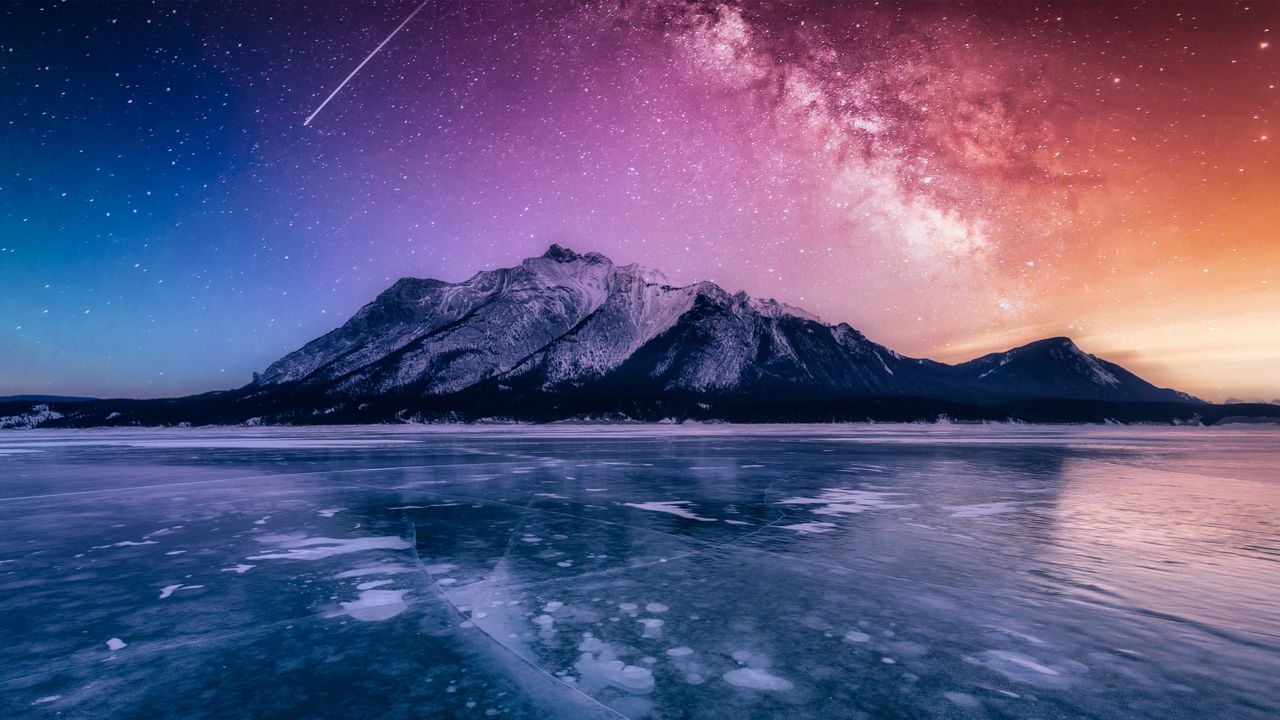
Frozen Abraham Lake, Alberta, Canada
© Luis F Arevalo/Getty Image
Nature's pop art. Abraham Lake, Alberta, Canada
The surface looks busy, but everything else is still. White bubbles stack under clear ice as if time stalled halfway through a reaction. Unusual? Yes. Mysterious? Only until you look closer. This is Abraham Lake, the largest reservoir in Alberta, Canada. It is located in the Kootenay Plains area of the Canadian Rockies' front range, where winter captures gas in mid-escape.
When the lake begins to freeze, chemistry takes over. During warmer months, plants at the bottom of the lake break down, producing methane gas that drifts upward. When winter arrives, ice forms, locking the bubbles in place. Another cold night follows, another layer freezes, and the lake records the moment—bubble by bubble. They are harmless when frozen, but become flammable if released and ignited, which is why visitors are advised not to drill or crack the ice. Wind, temperature swings and snow cover all affect how clearly the bubbles show, so no two winters look the same.
If you wish to make this phenomenon a chapter of your story, visiting from mid-January to mid-February usually offers the best conditions—solid ice, steady cold and clear views before spring begins to rewrite the surface.
Related Images
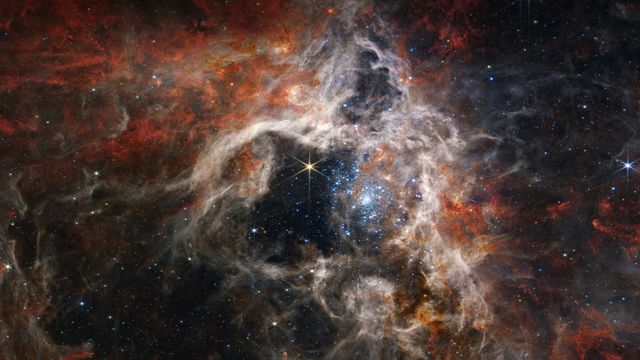 Young stars forming in the Tarantula Nebula, James Webb Space Telescope
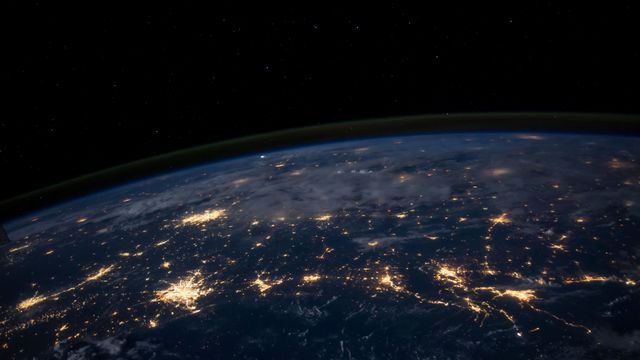 A nighttime view of the Gulf Coast states from 350 kilometres above Earth
 The Pillars of Creation viewed by the James Webb Space Telescope
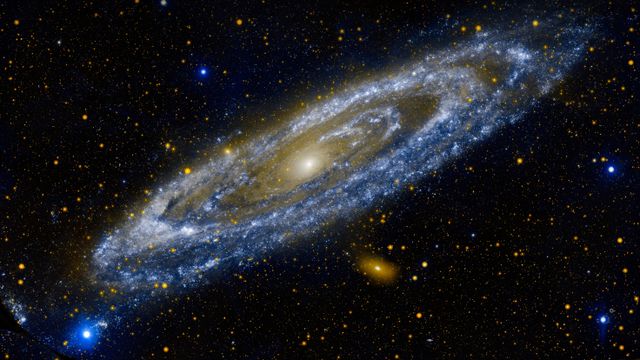 Andromeda galaxy
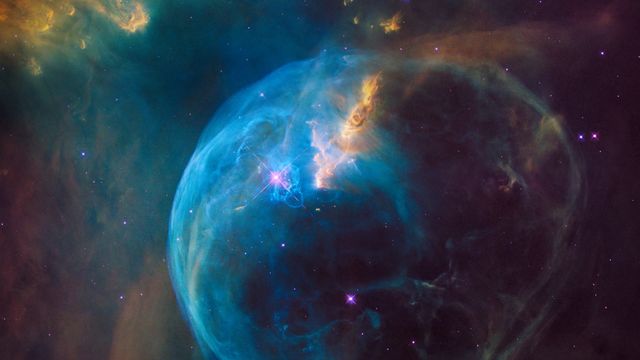 Bubble Nebula (NGC 7635)
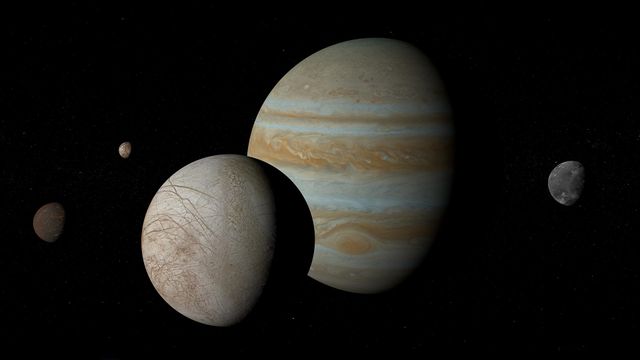 Moons of Jupiter—Io, Europa, Ganymede, and Callisto
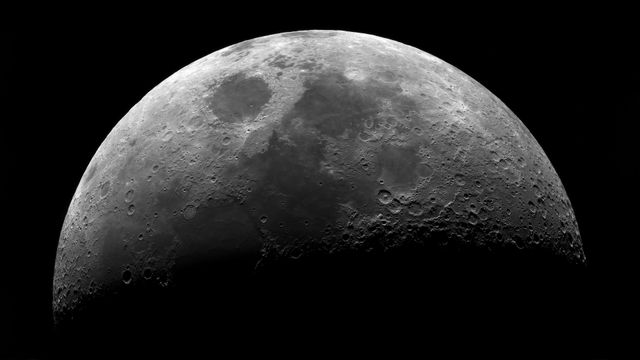 The moon's surface seen through a telescope
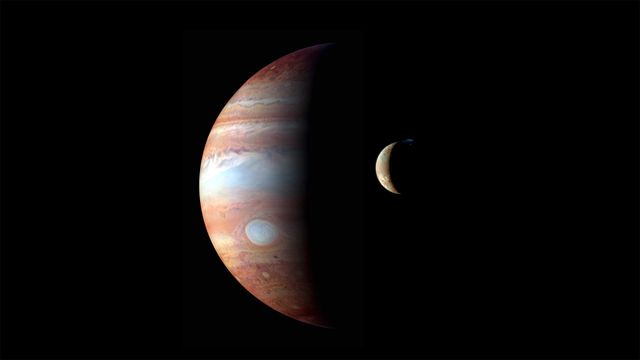 Montage of images of Jupiter and its volcanic moon Io
Bing Today Images