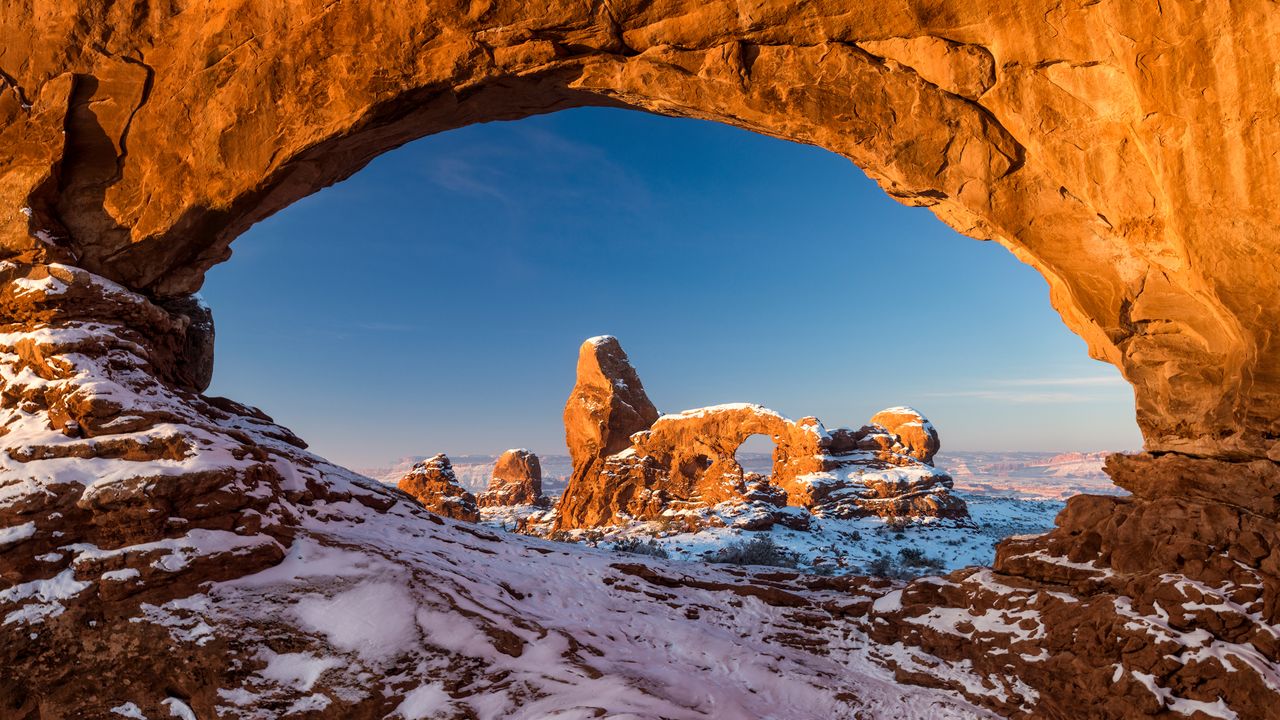
Turret Arch framed by North Window in Arches National Park, Utah, United States
© Jim Patterson/TANDEM Stills + Motio
Rock legends. Old Rock Day
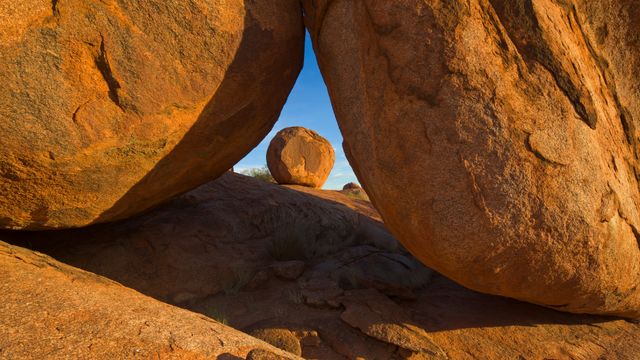
Today is a day that puts time into perspective. Old Rock Day highlights the vast geological processes that have shaped our world since its earliest eras. In Arches National Park, Utah, United States, Turret Arch—seen through North Window—offers a striking reminder: landscapes can take hundreds of millions of years to assemble. The Entrada Sandstone that forms these arches began as shifting dunes and shallow seas long before erosion carved today's shapes. Even so, these formations are relatively young. Most rocks on Earth disappear over time because plate tectonics, erosion and volcanism continually recycle the crust. Only the planet's ancient continental shields preserve truly old material. Canada's Acasta Gneiss, about 4 billion years old, is the oldest known rock still rooted where it formed.
Old Rock Day also remembers the pioneers of geology. Theophrastus and Pliny the Elder recorded early mineral studies, while Ulisse Aldrovandi helped establish the term 'geology' in 1603. One hundred fifty years later, William Smith drew the first geological map. And in 1785, James Hutton revealed the Earth's immense age, providing insights that continue to shape our understanding of the ground beneath our feet.
Related Images
 Mount Rainier National Park in Washington state, USA
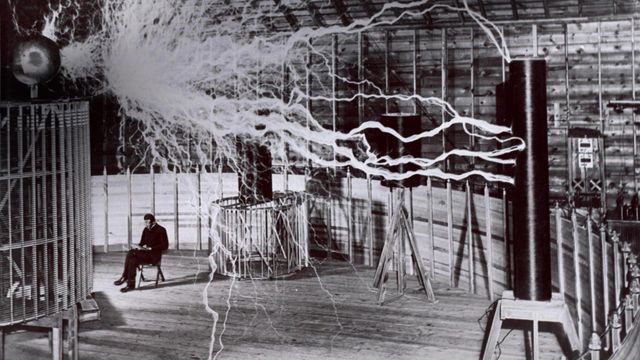 For Science Fiction Day, inventor Nikola Tesla and his ‘magnifying transmitter’
 The Gulmarg cable cars in the Himalayas
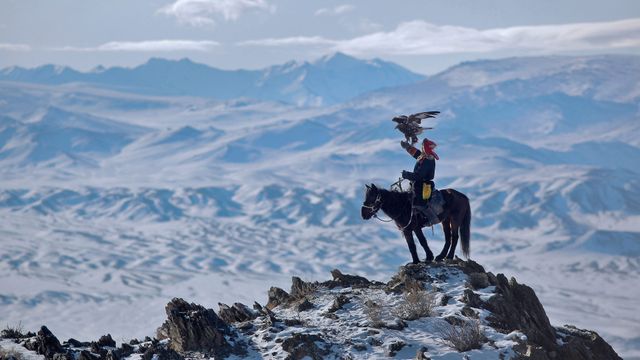 A rider hunts with an eagle in the Altai Mountains of Mongolia
 Ice-fishing village near L'Anse-Saint-Jean, Quebec, Canada
 In Somerset, England, for Old Twelvey Night
 On Pie Day, an apple tree in winter
 Climbing Athabasca Glacier in Jasper National Park, Alberta, Canada as the Aurora Borealis glows
Bing Today Images