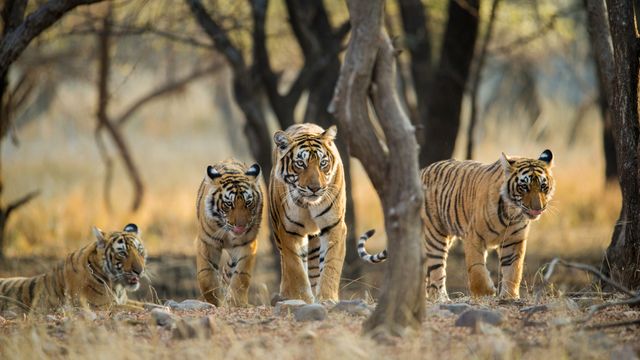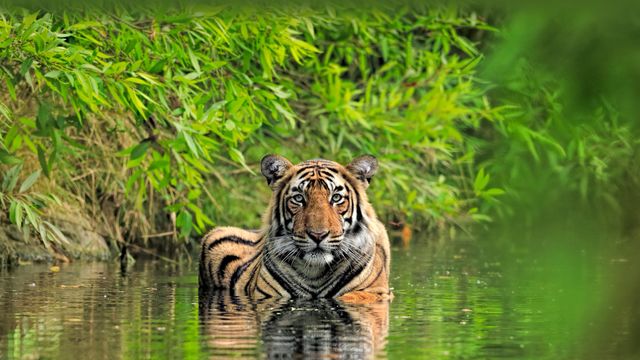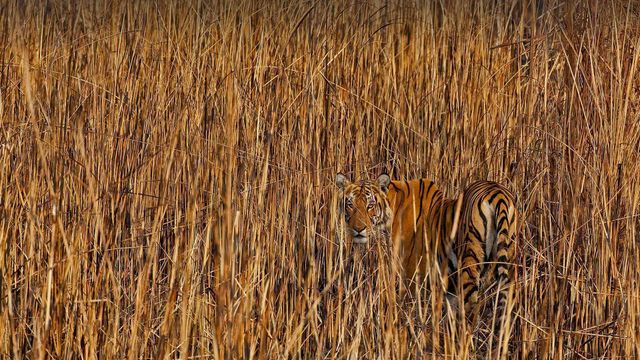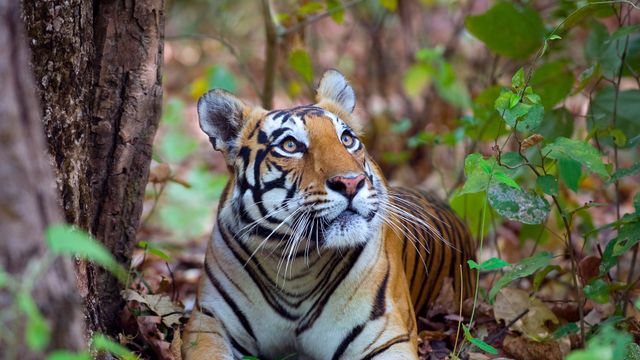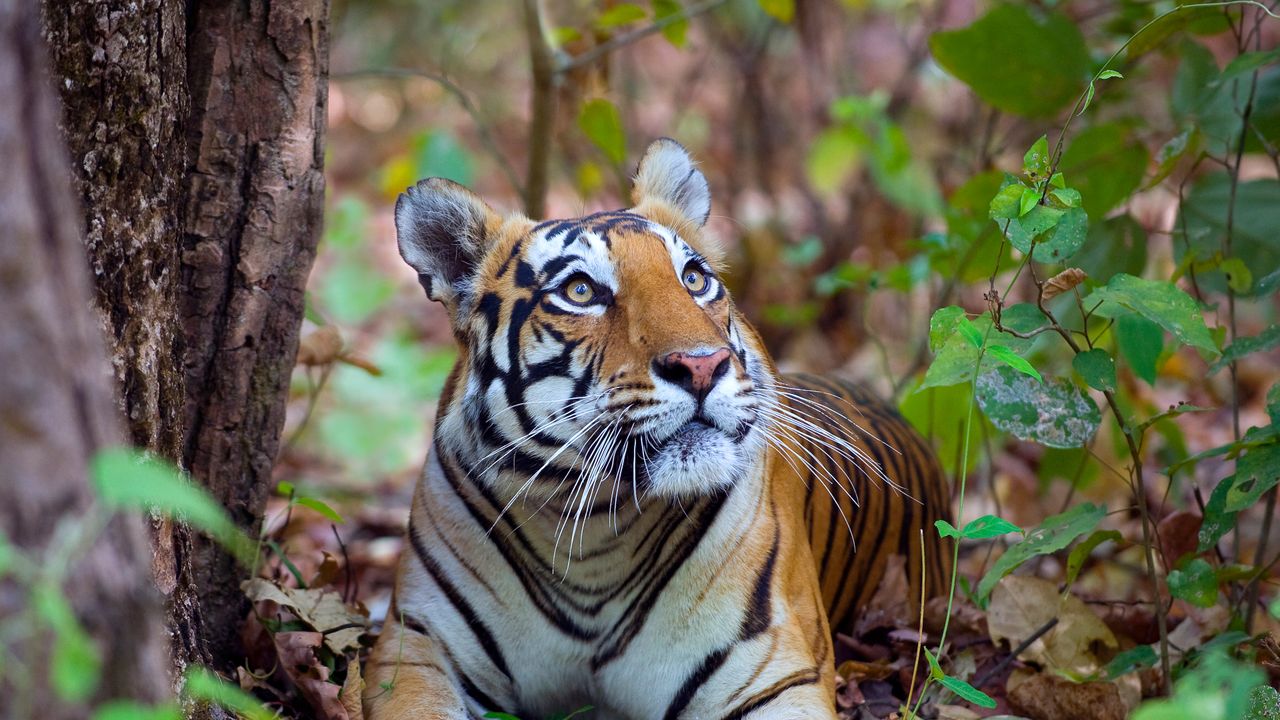
Female Bengal tiger, Kanha National Park, India
© Axel Gomille/Nature Picture Librar
Bengal tiger, India
Think you can hear silence? Try sitting in a jeep in Kanha National Park in the heart of India, waiting for a Bengal tiger to appear. These cats are more than their unmistakable orange coats and black stripes. They are apex predators, essential to the health and balance of the ecosystems they inhabit. By keeping prey populations like deer and wild boar in check, tigers help shape vegetation patterns and support the overall biodiversity of their environments.
One of the best places to see this delicate natural balance in action is Kanha National Park. Among India's oldest protected areas, it was first declared a reserve forest in 1879 and later a national park in 1955. It then became one of the first nine tiger reserves under Project Tiger in 1973, a landmark initiative launched to halt the steep decline in the species. Yet, despite decades of progress, tigers still face threats from habitat fragmentation, poaching and conflict with humans. That's why landscapes like Kanha remain critical—not just for tigers, but for the future of forests and wildlife conservation across the planet.
Related Images
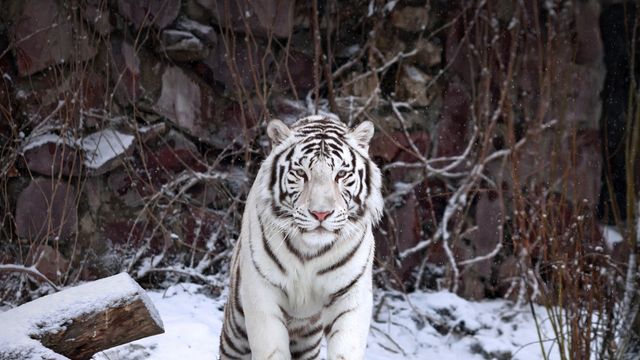 A white tiger at the Moscow Zoo, Russia
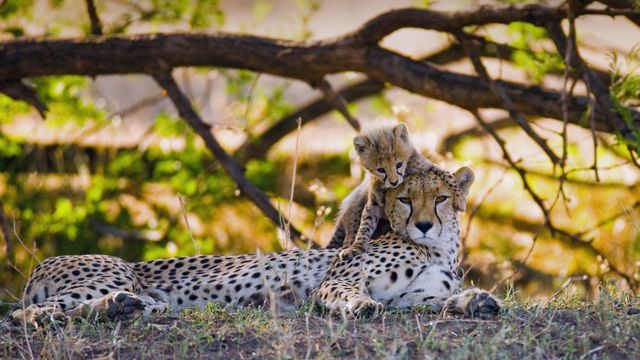 Mother cheetah and cub, Maasai Mara National Reserve, Kenya
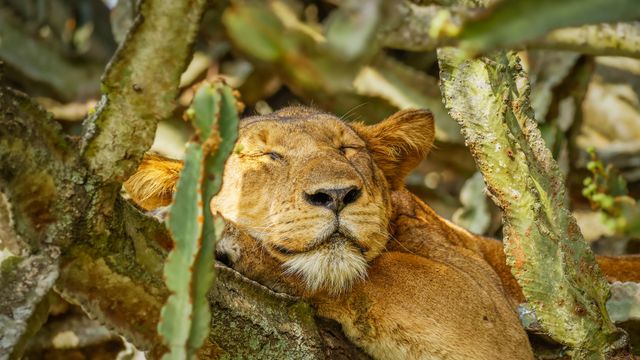 A lion sleeping in Ishasha Sector, Queen Elizabeth National Park, Uganda
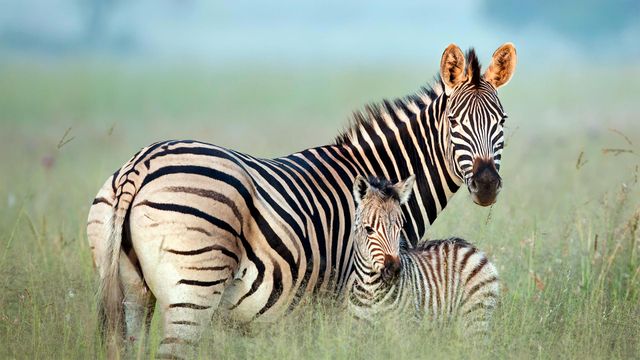 Burchell's zebra mother and foal in Rietvlei Nature Reserve, South Africa
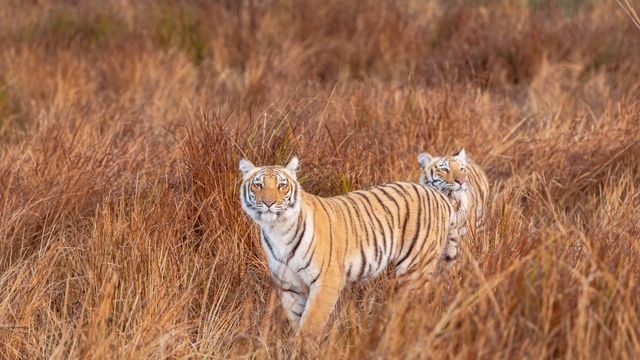 Tiger siblings in Jim Corbett National Park, Uttarakhand, India
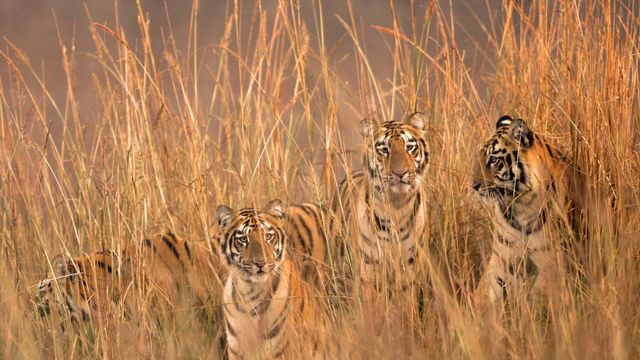 Tigresses, Telia Lake, Tadoba Andhari Tiger Reserve, India
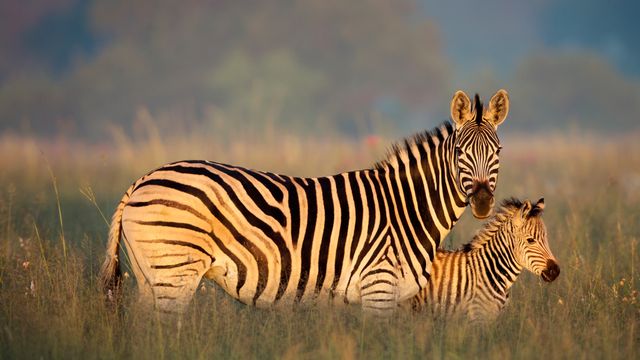 Burchell's zebra mother and foal, Rietvlei Nature Reserve, South Africa
Bing Today Images