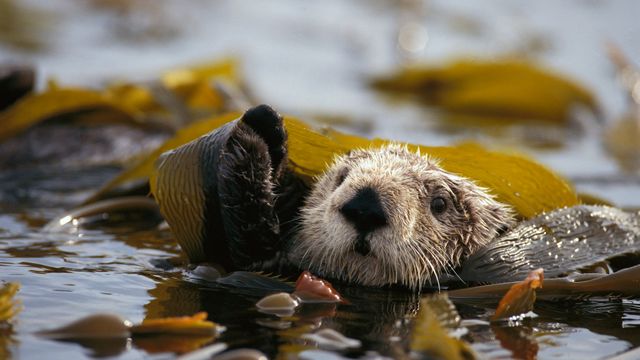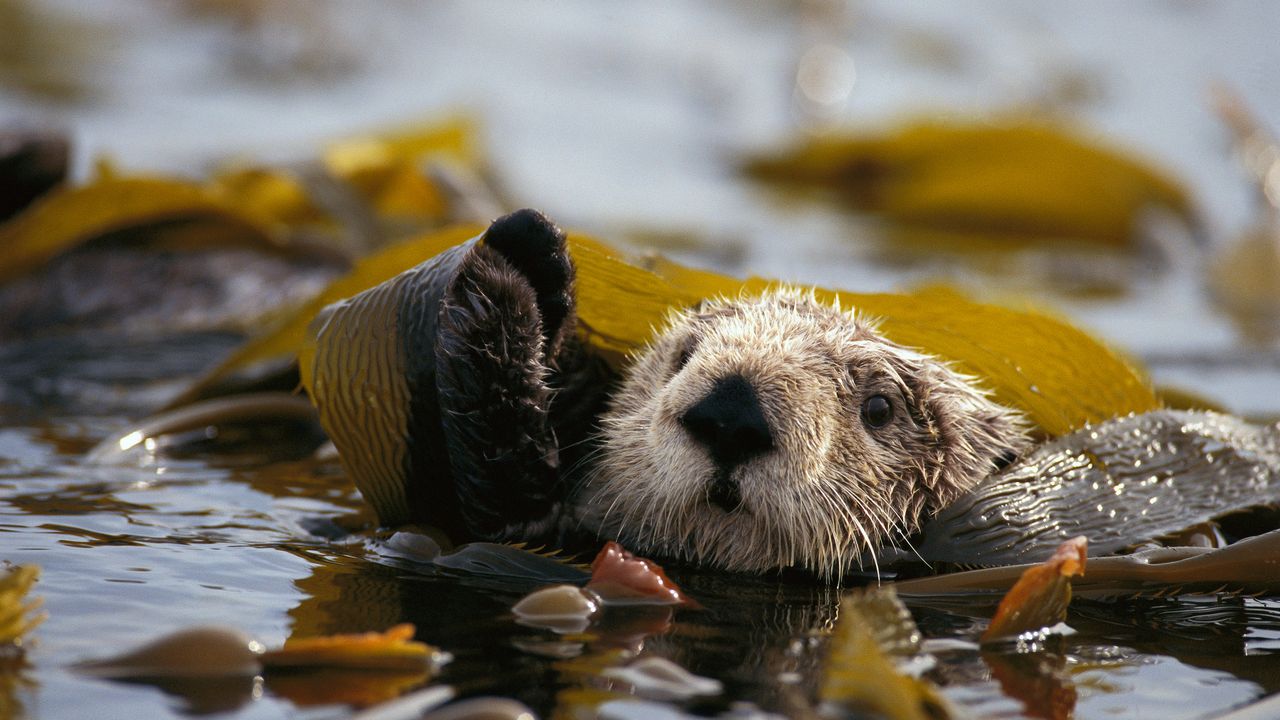
Sea otter floating in a kelp bed in Alaska Maritime National Wildlife Refuge
© Gerry Ellis/Minden Picture
Otterly important. World Otter Day
They slip through the water like furry torpedoes, roll on riverbanks like children on a playground and hold hands while they nap. Otters are nature's playful pranksters, but their future isn't all smooth sailing. Many species are threatened by habitat destruction, pollution and illegal wildlife trade. But it doesn't have to be that way. On World Otter Day—the last Wednesday of May—let's shine a light on the challenges these lovable mammals face and help protect their place in the wild.
Otters belong to the Mustelidae family, a diverse group that includes weasels, badgers and minks, and are found on every continent except Australia and Antarctica. With 13 species worldwide, including the European otter, giant otter and sea otter—pictured here—these semi-aquatic animals are adapted for life in water. Their webbed feet, dense fur and strong tails make them excellent swimmers. Beyond their cuteness, otters play a vital role in ecosystems. India is home to three of the world's 13 otter species—the smooth-coated, Eurasian and small-clawed otters. While the smooth-coated otter is found across the country, the other two are limited to the Himalayas, northern Ganges and southern India. All three have been spotted in Northeast India and the Western Ghats, often sharing habitats with gharials, crocodiles, Ganges river dolphins and various turtles.
Related Images
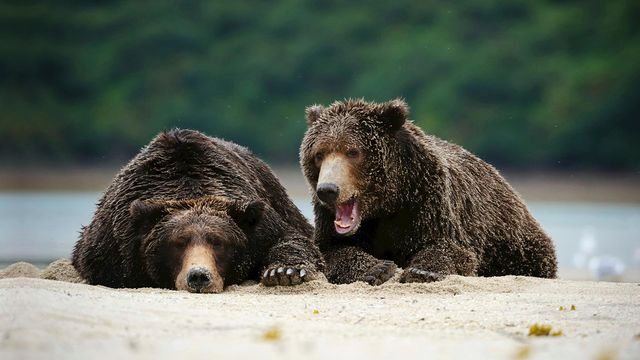 Brown bears in Katmai National Park, Alaska
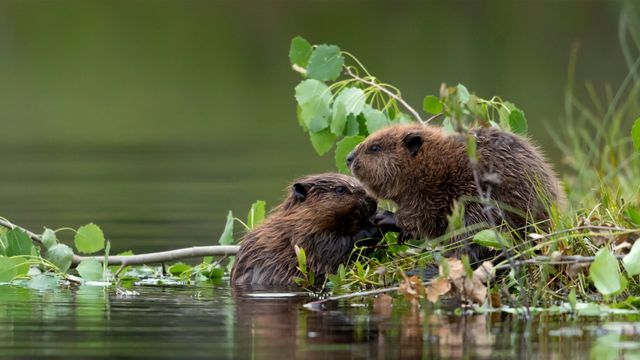 Baby Eurasian beavers, Finland
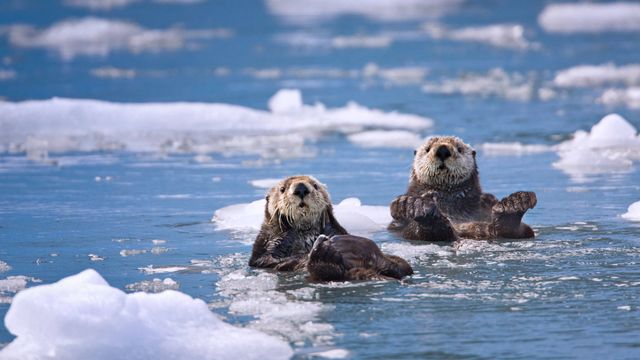 Sea otters in Prince William Sound, Alaska, 30 years after the Exxon Valdez oil spill
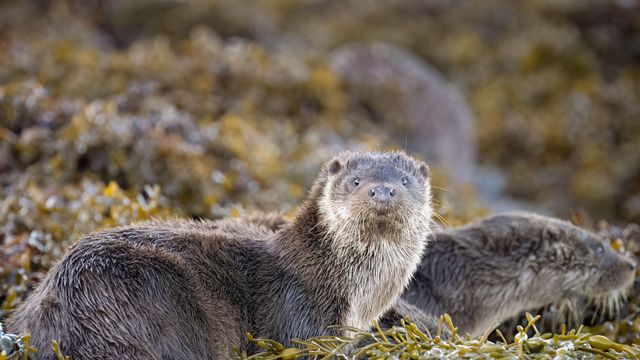 Adolescent European otters, Loch Spelve, Isle of Mull, Scotland
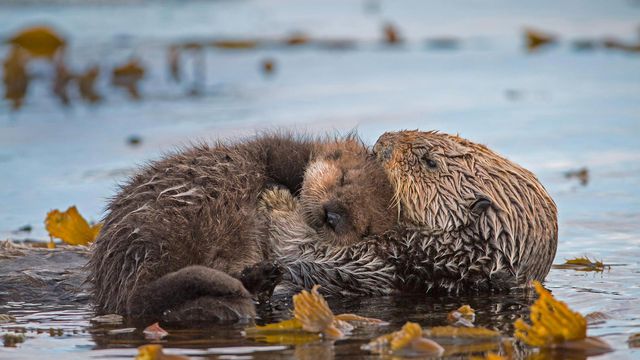 Sea otter mother and newborn pup in Monterey Bay, USA
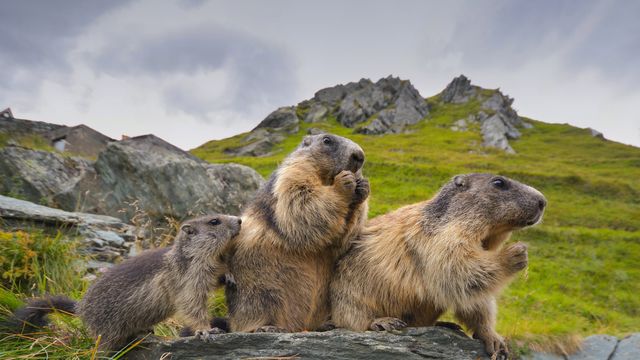 Alpine marmots in Hohe Tauern National Park, Austria
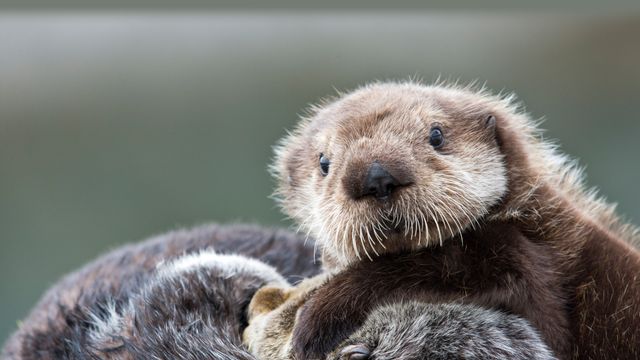 Sea otter pup, Prince William Sound, Alaska
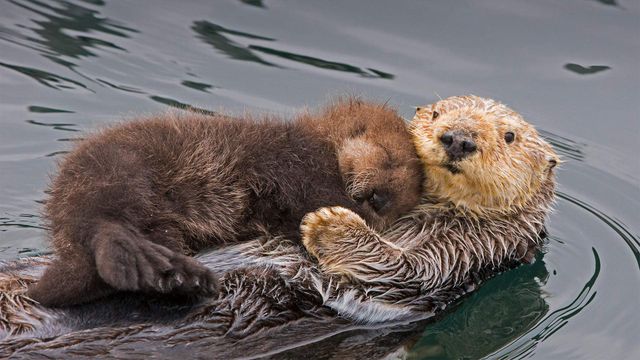 Sea otter mother and newborn pup, Monterey Bay, California
Bing Today Images