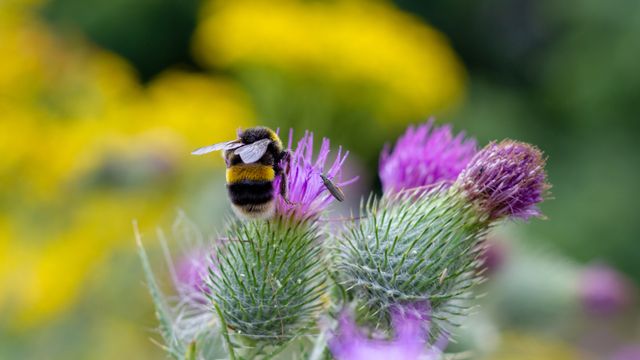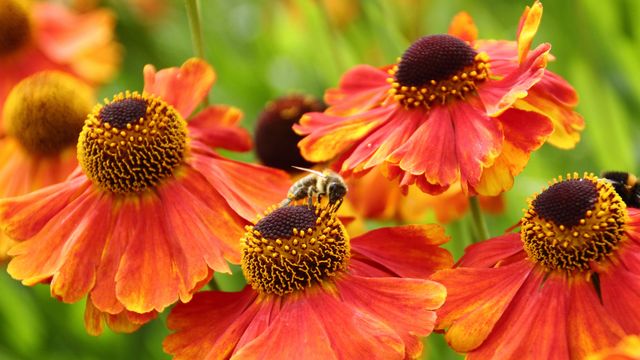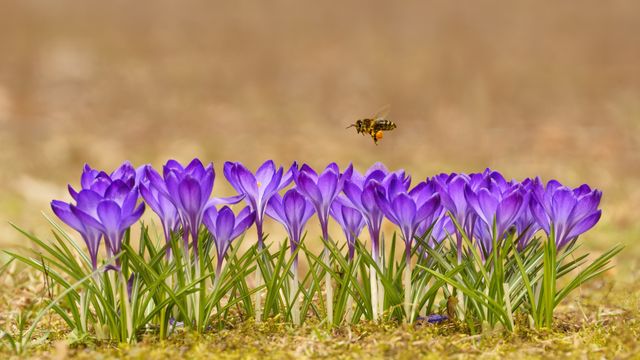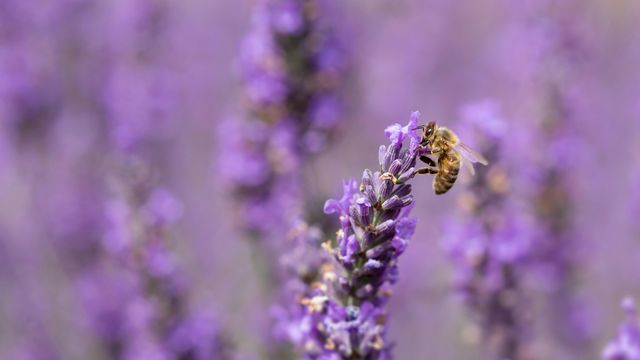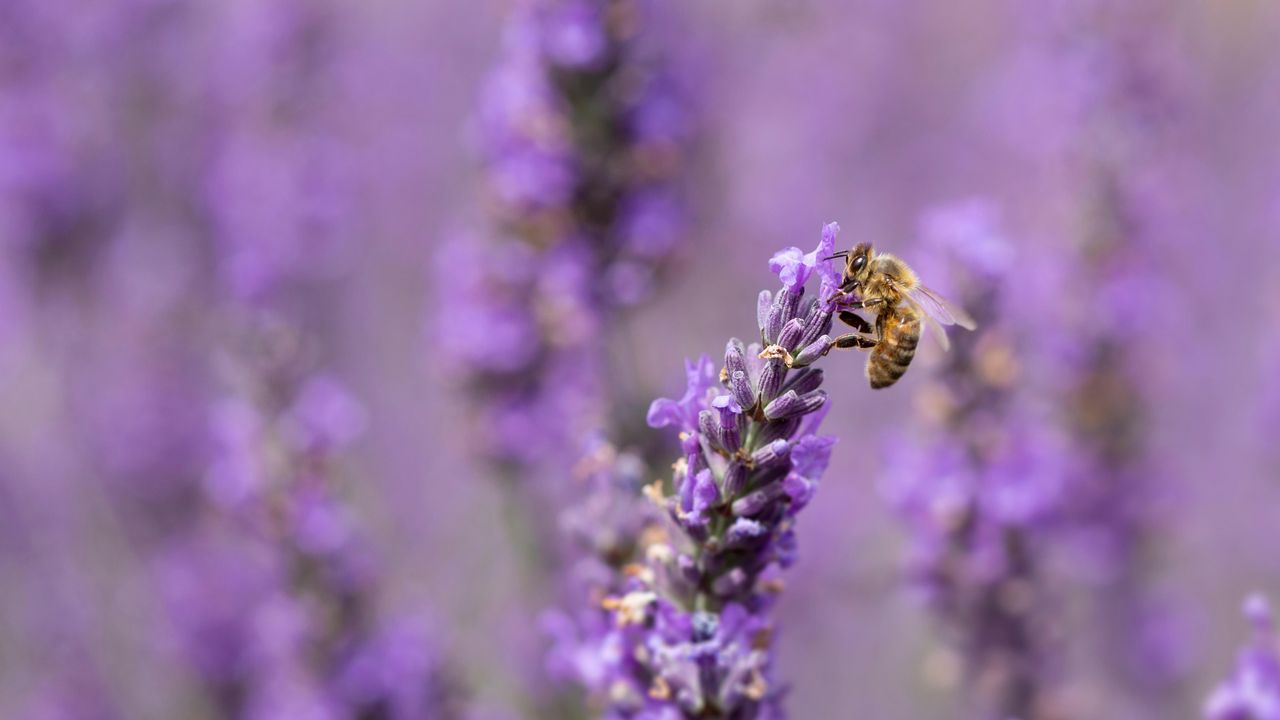
Honey bee on lavender flowers
© Anthony Brown/Alamy Stock Phot
Small wings, big job. World Bee Day
Honey bees may be small, but without them, your grocery list would be a lot shorter. No more berries, avocados or even coffee. Alongside butterflies, bats and hummingbirds, bees pollinate nearly 90% of the world's wild flowering plants and over 35% of the food crops we rely on. World Bee Day, marked every May 20, honours these vital pollinators and celebrates Anton Janša, a pioneer of modern beekeeping. Janša saw bees as the noblest of insects, an idea now backed by science.
Unfortunately, bee populations are in danger. Pesticide exposure, habitat loss and climate change are driving their numbers down, threatening both global food security and biodiversity. The good news is that small actions can make a big difference. Support local beekeepers, plant pollinator-friendly flowers and avoid chemical pesticides. And the next time you stir honey into your tea, remember the tiny worker behind that golden spoonful and why protecting this buzzing species matters more than ever.
Related Images
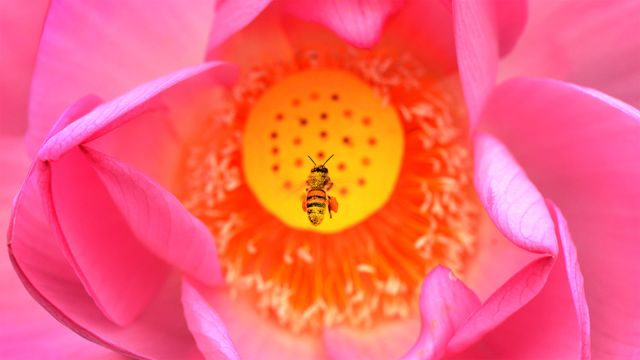 A bee dives into an East Indian lotus flower at Kenilworth Park and Aquatic Gardens in Washington, DC
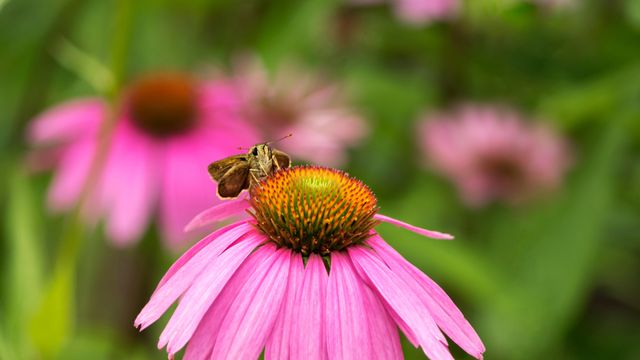 Skipper butterfly on an Echinacea flower, Rockefeller State Park, New York
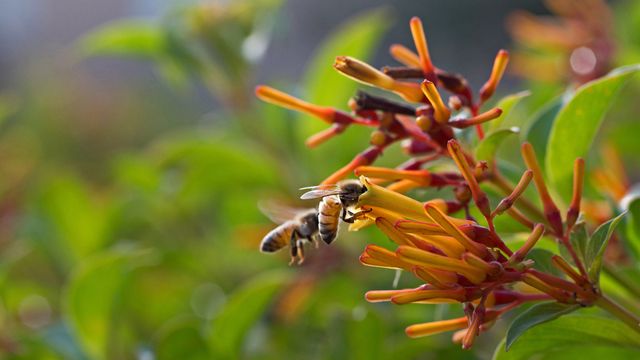 Bees for National Honey Bee Day
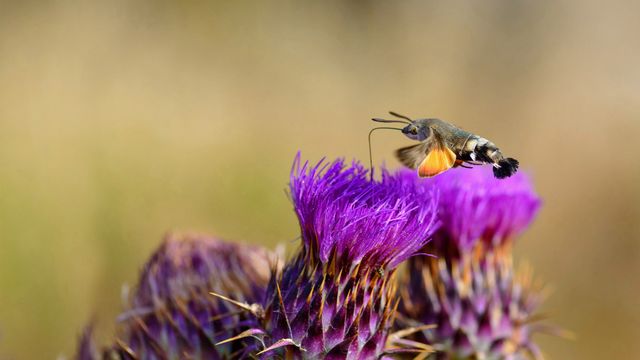 Hummingbird hawk-moth feeding on flower, Sardinia, Italy
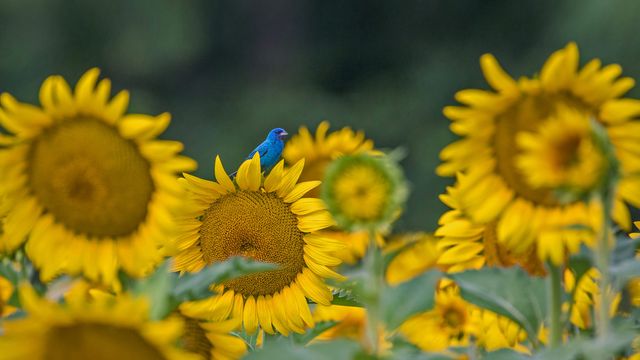 An indigo bunting on a sunflower
Bing Today Images