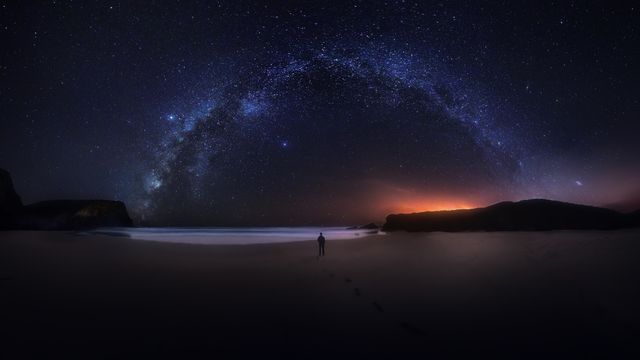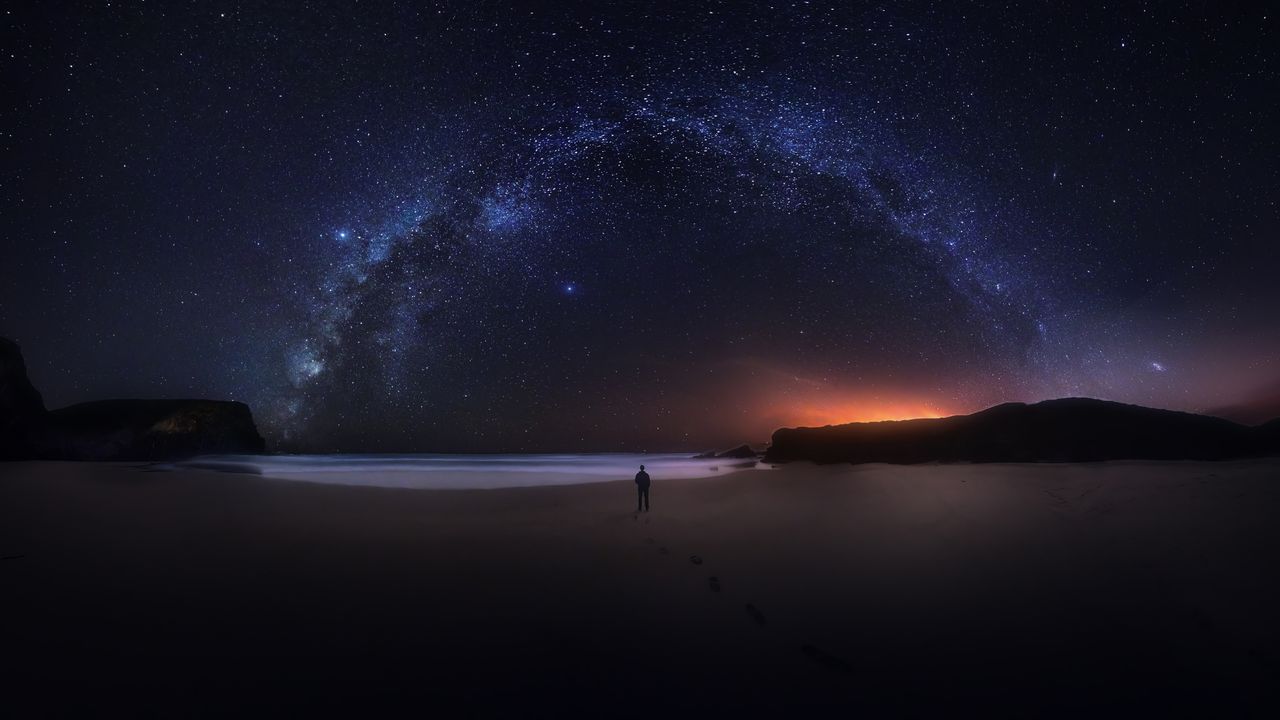
Milky Way over Southwest Alentejo and Vicentine Coast Natural Park, Portugal
© Daniel Garrido/Getty Image
A rainbow's nocturnal cousin. Fall Astronomy Week
The Milky Way has billions of stars; among them, our own sun finds its place. The galaxy's name is derived from the radiant, pale appearance of the band of stars and gas clouds that graces Earth's sky. Methodical observations of the night sky started with early civilizations but astronomy, the oldest natural science, remains a source of fascination today. It's what brings stargazers to Portugal's Southwest Alentejo and Vicentine Coast Natural Park, a site free from heavy light pollution. Now's a good time to seek out your own celestial spectacle, as it is Astronomy Week and the main event, Saturday's Fall Astronomy Day, this year coincides with the autumnal equinox.
Related Images
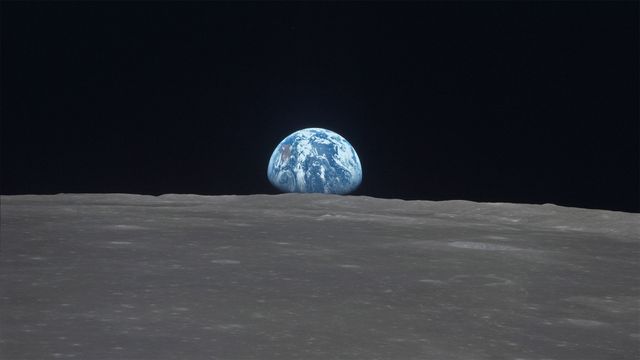 Earthrise across Mare Smythii on the moon
 A view of Uranus taken from spacecraft Voyager 2 in 1986
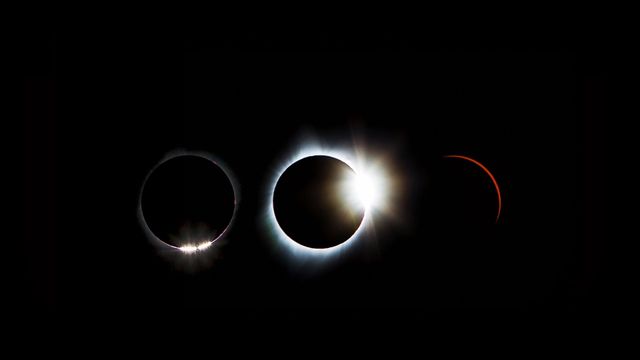 Solar eclipse sequence from August 21, 2017
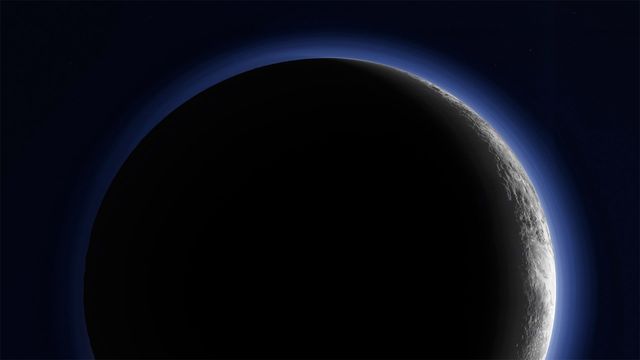 Pluto's crescent imaged by NASA's New Horizons interplanetary space probe
 Climbing the Athabasca Glacier in Jasper National Park, Alberta, Canada, as the aurora borealis glows
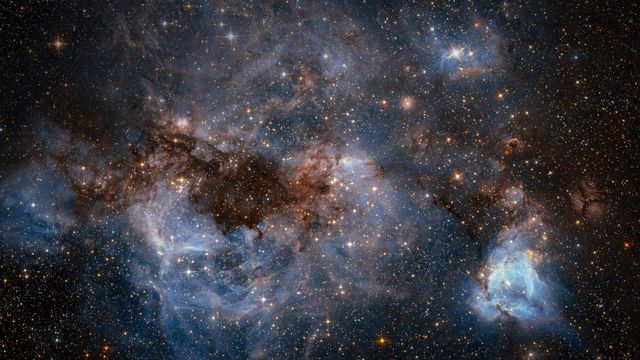 The Large Magellanic Cloud, photographed by the Hubble Space Telescope
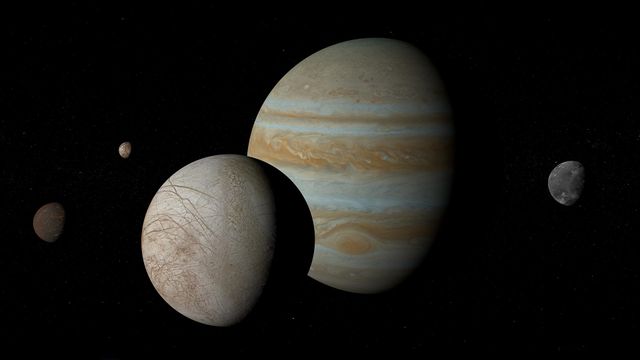 Jupiter and its moons Io, Europa, Ganymede, and Callisto
Bing Today Images

Winnats Pass, Peak District National Park, England
Sep 18, 2026


Gujō Hachiman Castle, Gifu prefecture, Japan
Sep 18, 2024



Icelandic sheep ready for réttir
Sep 18, 2020
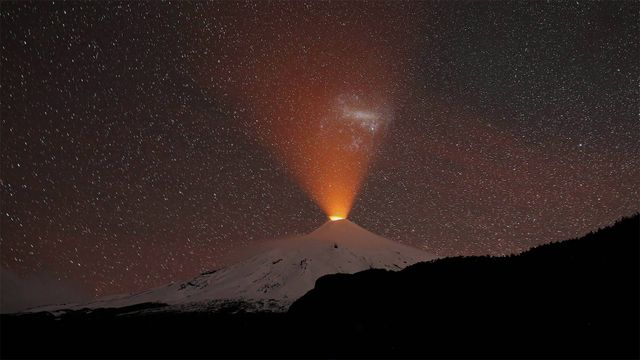
The Villarrica volcano in Chile on September 2, 2018
Sep 18, 2019


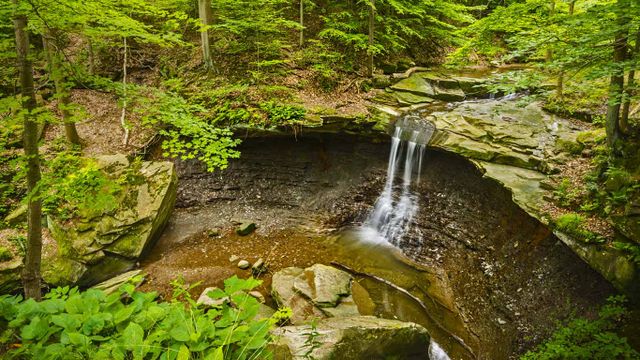
Blue Hen Falls, Cuyahoga Valley National Park, Ohio
Sep 18, 2016