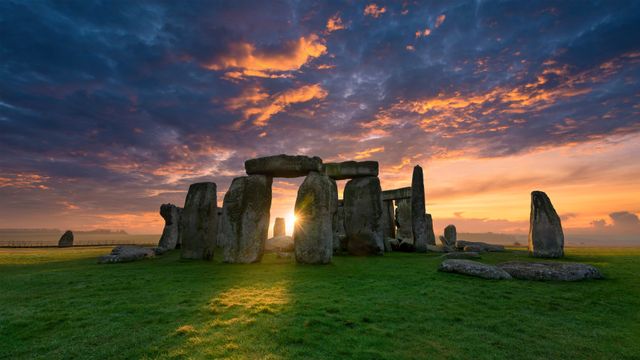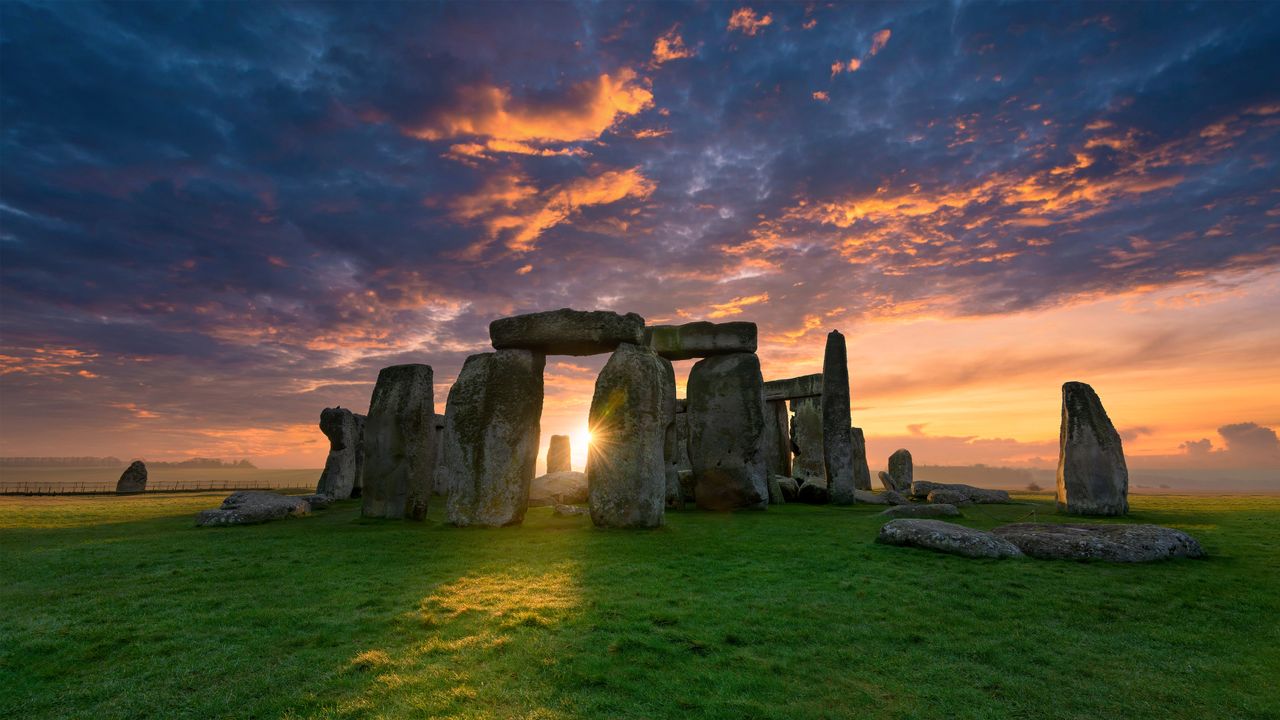
Stonehenge, Salisbury Plain, Wiltshire, England
© Captain Skyhigh/Getty Image
The mystery of Stonehenge. Summer solstice
The ancient monument of Stonehenge has fascinated people for centuries. Estimated to have been built between 3000 and 2000 BCE in the English county of Wiltshire, its large standing stones remain an enigma. Exactly why and how this massive stone circle was built are still debated. What we do know, is that it was done without metal tools or the use of wheels—and some of those stones were moved more than 150 miles.
On the summer solstice, the longest day of the year, the sun rises directly over the largest stone, the Heel Stone, creating a captivating spectacle. On the winter solstice, the shortest day, the sunset aligns with the stones, casting an enchanting glow upon the ancient site. Stonehenge's precise alignment with astronomical events suggests its importance in ancient ceremonial practices, making it an iconic symbol of human ingenuity and our connection to the cosmos.
Related Images
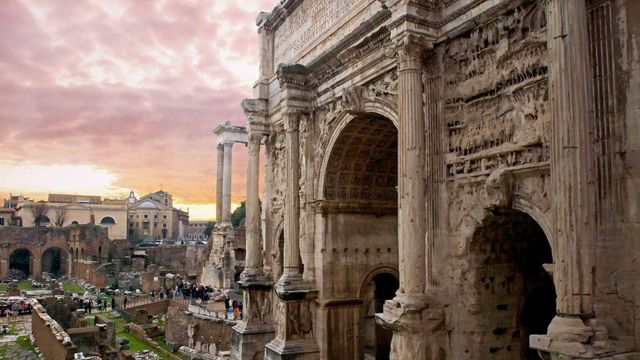 At the Arch of Septimius Severus in the Roman Forum for the ides of March
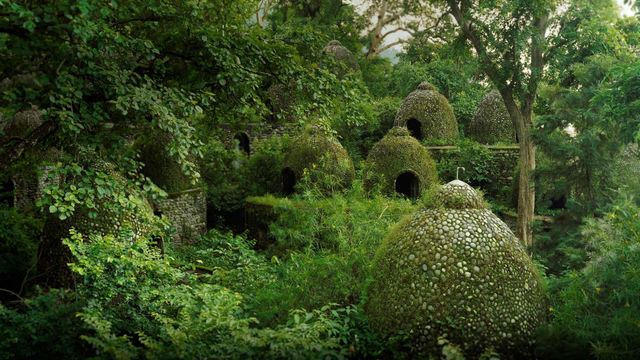 Meditation domes at the Beatles Ashram in Rishikesh, India
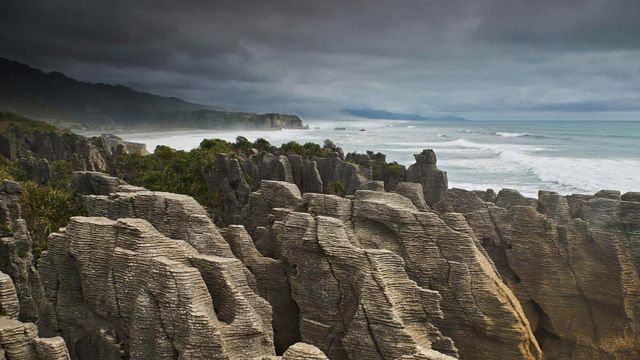 For Waitangi Day, the Pancake Rocks on New Zealand’s South Island
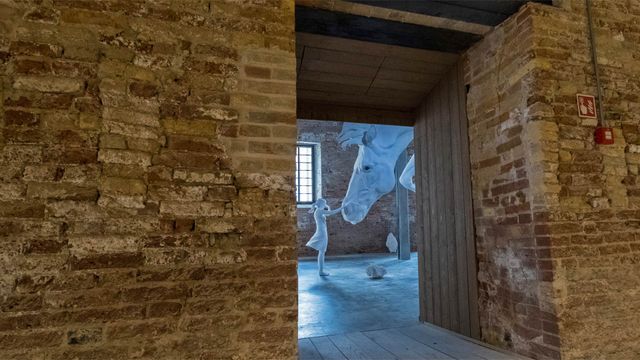 'El Problema del Caballo' by Claudia Fontes in Venice, Italy
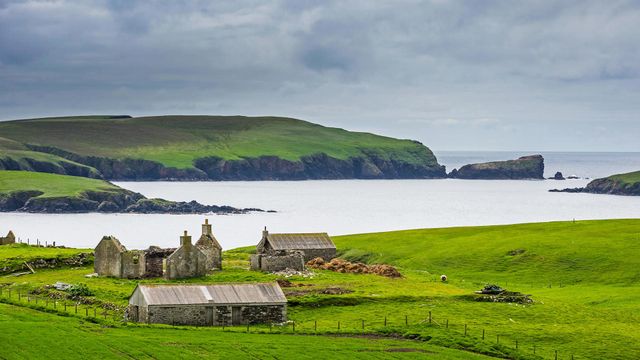 An old farm in the Shetland Islands, Scotland
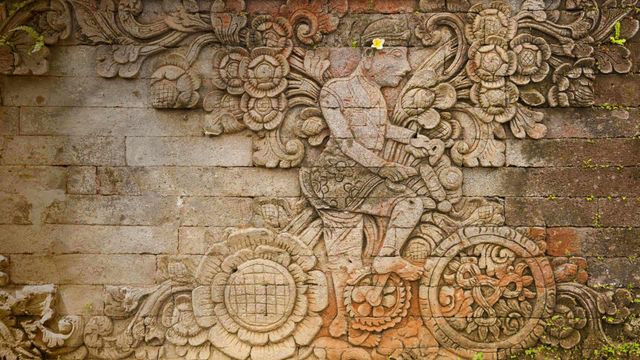 A carving of artist W.O.J. Nieuwenkamp in the Pura Meduwe Karang temple in Bali, Indonesia
 Martin Luther King, Jr. Memorial in Washington, DC
 Landmark Center clock tower and Winter Carnival Ice Palace, St. Paul, Minnesota
Bing Today Images