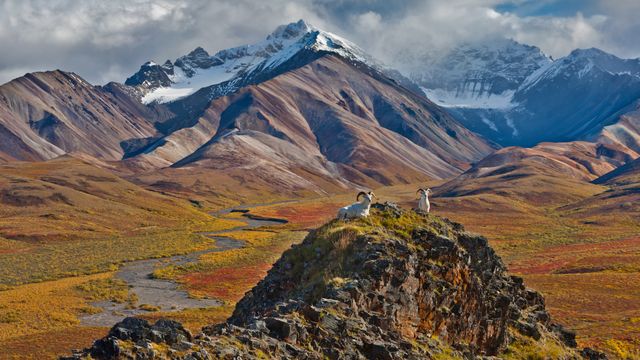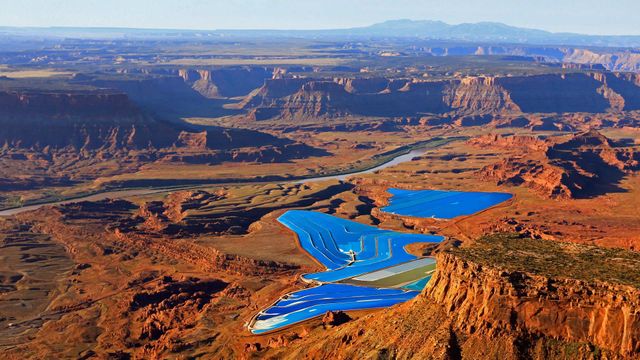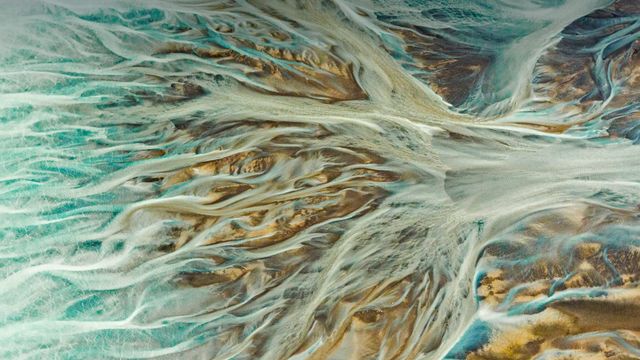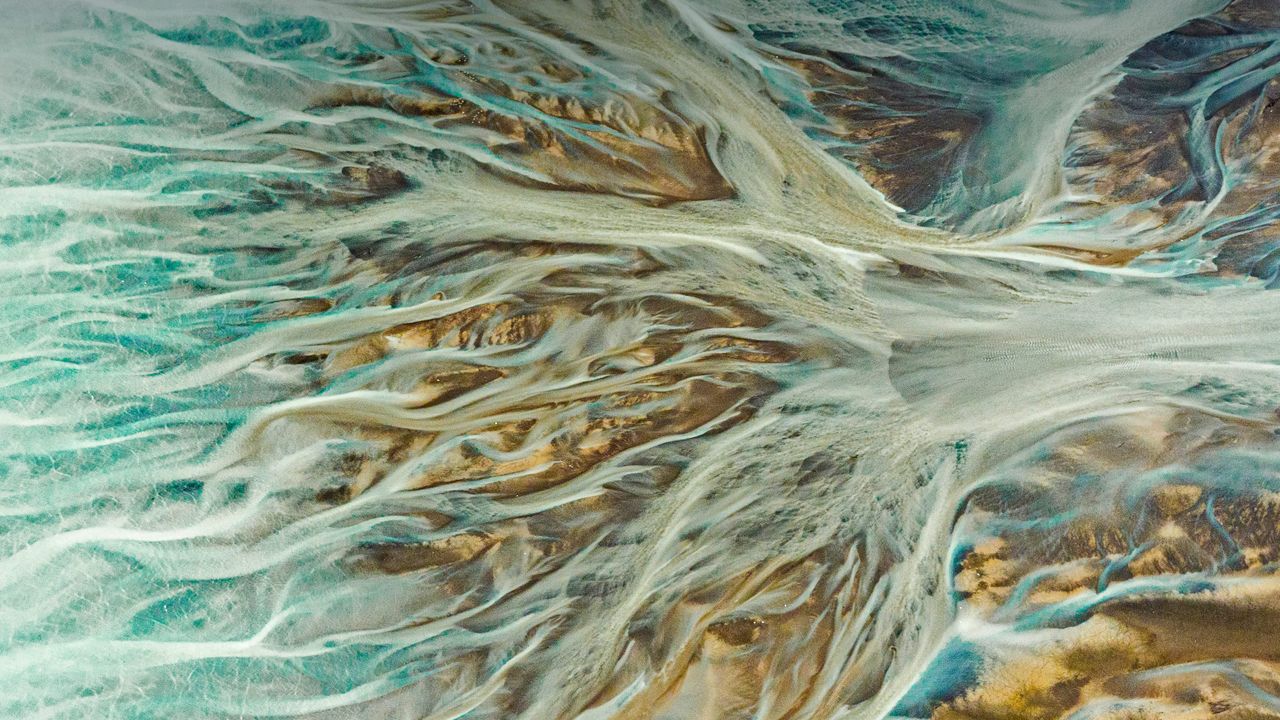
Tlikakila River Delta in Lake Clark National Park, Alaska
© Dawn Wilson Photography/Getty Image
Preserving Alaska's natural beauty. Tlikakila River delta
On this day in 1980, the single largest expansion of protected lands in history doubled the size of the US National Park System. Prior to that day, Alaska had no national parks, but now the state has eight, plus numerous monuments and preserves that protect more than 63 million total hectares. When U.S. President Carter signed the Alaska National Interest Lands Conservation Act, the public was granted the right to appreciate stunning locations like the one in today's photo: the braided river delta of the 82-kilometre long Tlikakila River in Lake Clark National Park.
In the native Athabaskan language, Tlikakila literally means 'salmon are there river.' The park is known for its salmon-laden waterways and, as such, the fish is of major importance to the local economy and ecosystem. Local bear populations benefit from the excess salmon, and bear watching is very popular at Lake Clark. The abundance of salmon has also benefited a wolf pack within the park—the only one in the world known to be solely dependent on salmon.
Related Images
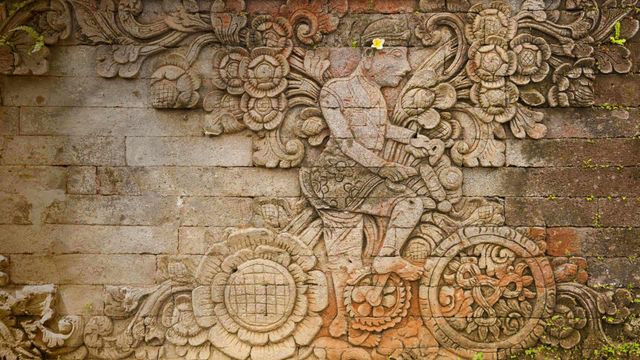 A carving of artist W.O.J. Nieuwenkamp in the Pura Meduwe Karang temple in Bali, Indonesia
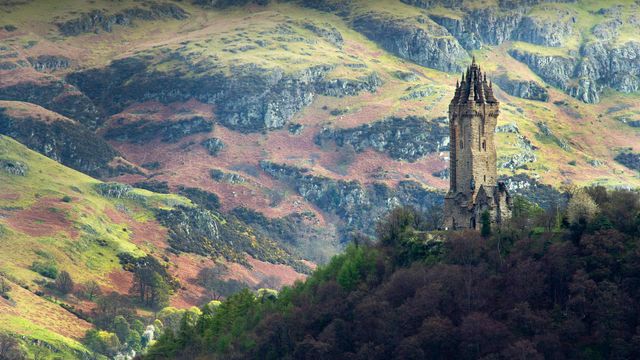 The National Wallace Monument overlooking Stirling in Scotland
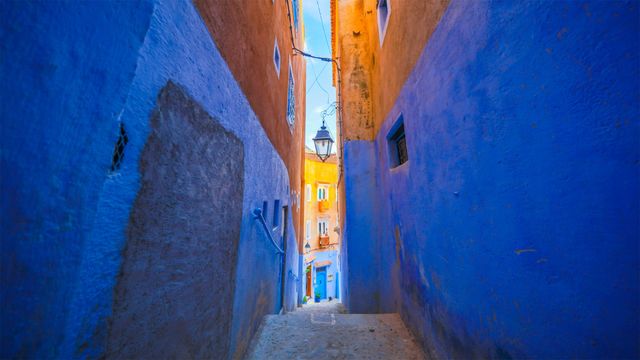 Blue walls of Chefchaouen, Morocco
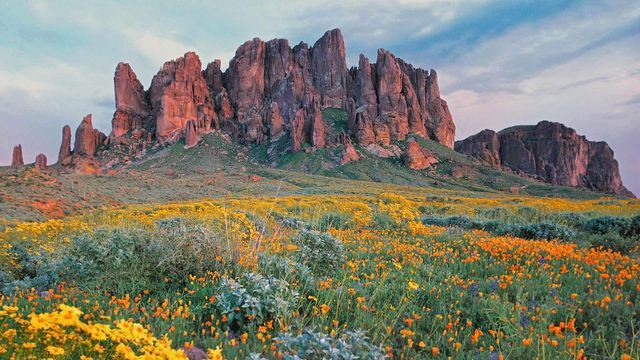 Wildflowers in bloom at Lost Dutchman State Park in Arizona
 Abstract motion blur of aspen trees in Kluane National Park, Yukon
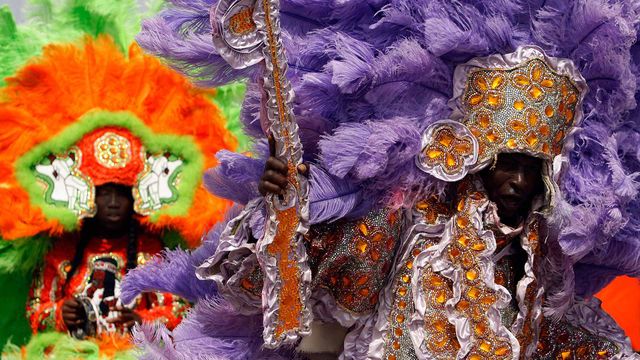 Members of the Wild Red Flame Mardi Gras Indians in New Orleans, Louisiana
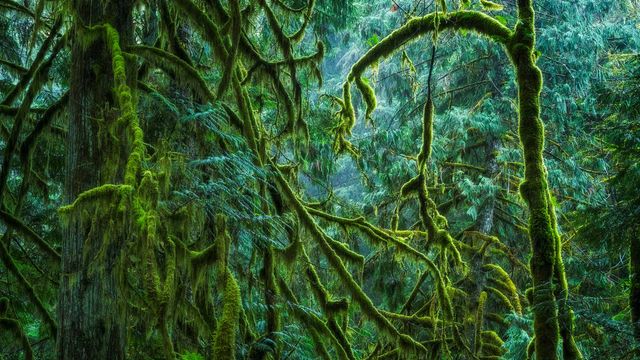 The Lush Rainforest of Cathedral Grove, Macmillan Provincial Park, B.C.
 Street art from the Pasadena Chalk Festival 2013, Pasadena, California
Bing Today Images