Mars
© NASA/Alam
Mars
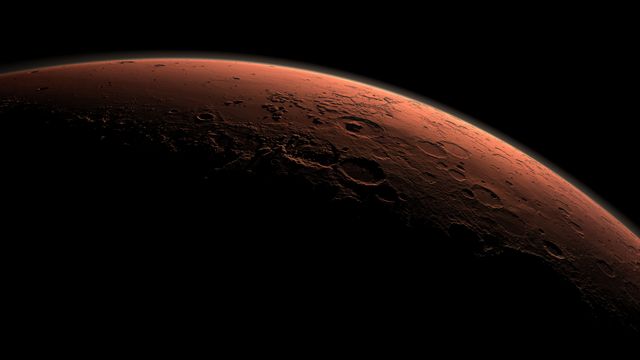
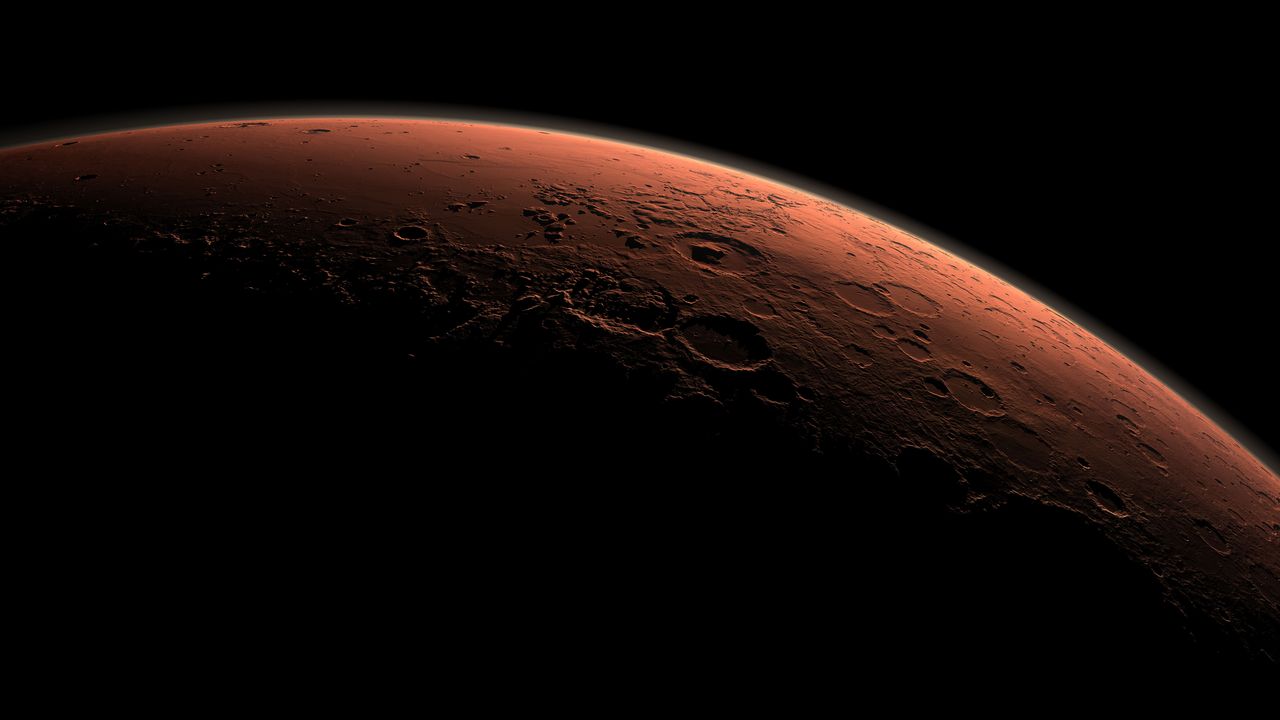
Mars, popularly known as the Red Planet, is the fourth planet from the sun, after Mercury, Venus and Earth. We know more about Mars than any other planet but our own. That knowledge has been gained over centuries and has grown exponentially in recent years with the successful landings on Mars of the Curiosity and Perseverance rovers in 2012 and 2021 respectively.
Mars was observed in ancient times as a bright and moving object in the night sky, distinct from the stars. Even its reddish tint was observed by the naked eye. It might not be the planet closest to ours – Venus owns that title – but the more we learn, the more we can imagine that Mars might have been just like Earth a long time ago, possessing organic life, rivers and oceans, and a much thicker atmosphere than it does today. Current conditions on Mars, while not exactly habitable, are hospitable by comparison to those on other planets, maybe the most compelling reason we’re inclined to imagine that living on the Red Planet might someday be possible.
Related Images
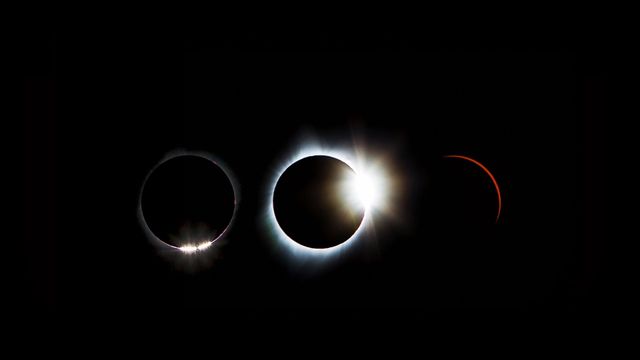 Solar eclipse sequence from August 21, 2017
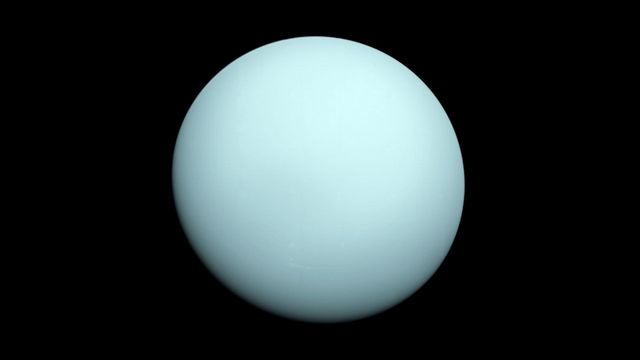 A view of Uranus taken from spacecraft Voyager 2 in 1986
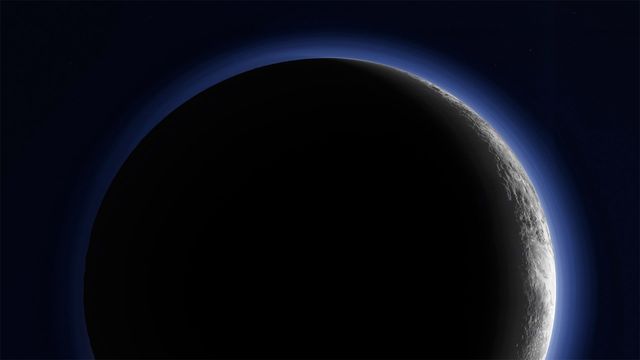 Pluto's crescent imaged by NASA's New Horizons interplanetary space probe
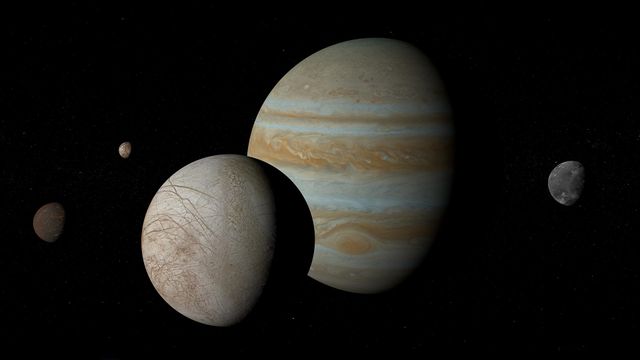 Moons of Jupiter - Io, Europa, Ganymede, and Callisto
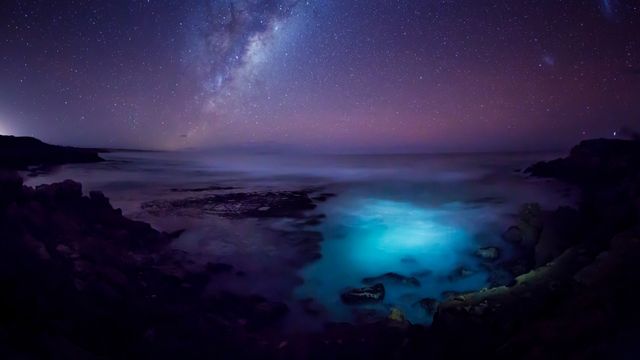 Milky Way over the Southern Ocean, Australia
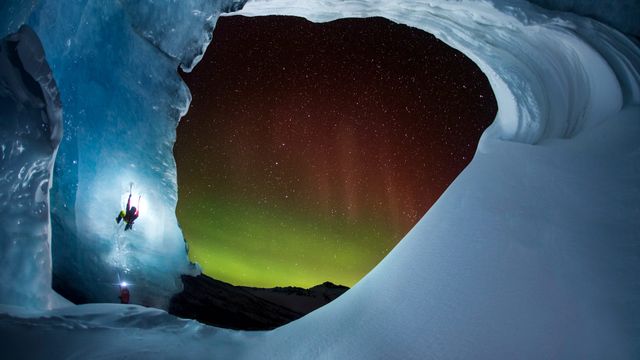 Climbing Athabasca Glacier in Jasper National Park, Alberta, Canada as the Aurora Borealis glows
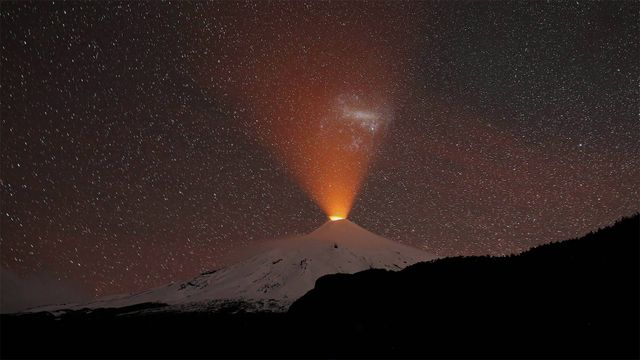 The Villarrica volcano in Chile on September 2, 2018
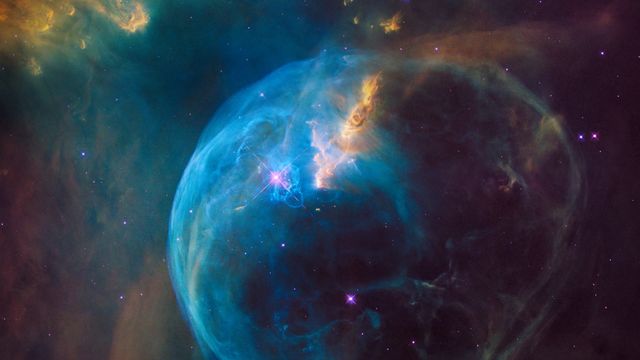 Bubble Nebula (NGC 7635)
Bing Today Images