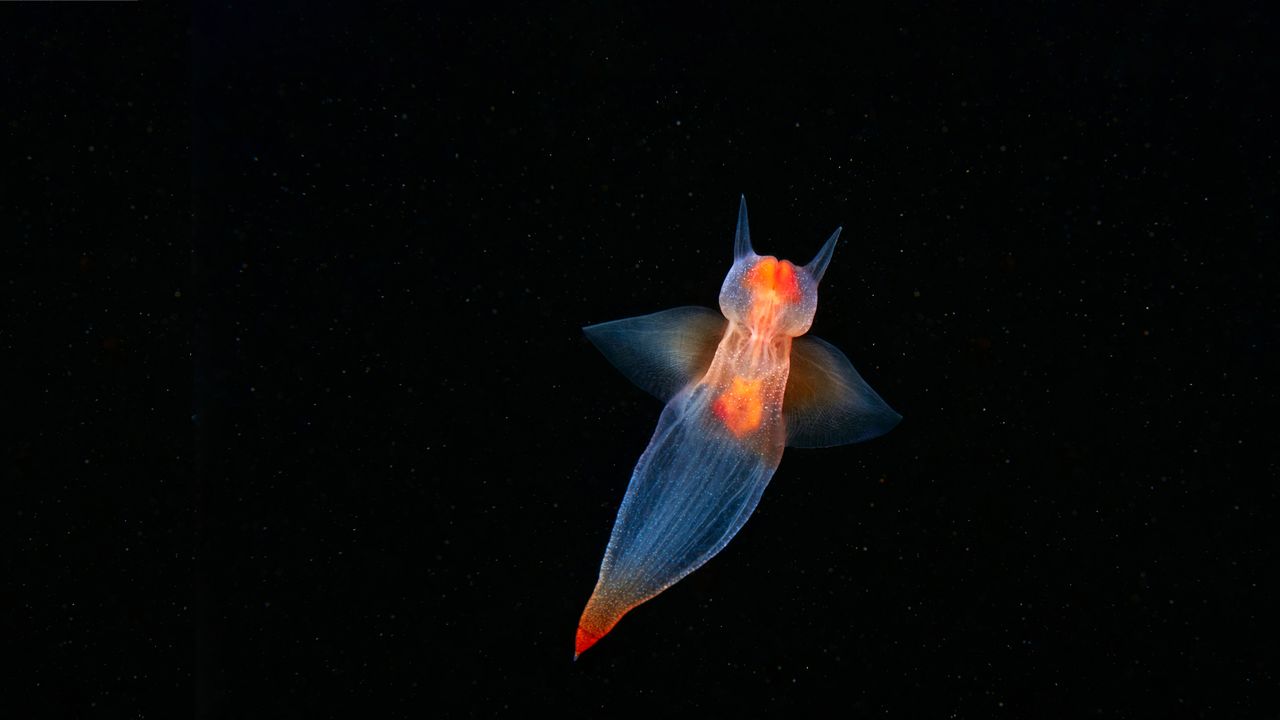
Sea angel
© Alexander Semenov Images/Shutterstoc
Angel of the sea. Sea Slug Day
This ghost-like oceanic creature is a ‘sea angel’, one of about 3,000 sea slug species. Sea slugs can be found in all the oceans and seas of the world. Scientifically known as nudibranchs, sea slugs are molluscs and today is the day the world celebrates them. Why? Because it’s the birthday of the authority on all things sea slug, US enthusiast Terry Gosliner. Gosliner has identified nearly half of the known sea slug species in the world, has written 150 scientific papers about them, and has personally named around 350 individual species. ‘Everything about them just piques the imagination,’ he says.
There are six different families of sea angels, the largest only about 7cm long, and they can be found everywhere from beneath the ice of arctic waters to tropical areas. Gelatinous and mostly see-through, their ‘wings’ allow them to ‘fly’ through the water around at about 0.22 mph. That may not seem very fast, but it’s about twice as fast as their most common prey, the sea butterfly. Sea angels are ambush predators that attack and extract sea butterflies (technically sea snails) from their shells. Some species emit a toxin to keep predators away, prompting other sea creatures to carry them around as a sort of underwater pepper spray against predators. Given this, maybe ‘sea guardian angel’ would be a more fitting name. Someone call Terry.
Related Images
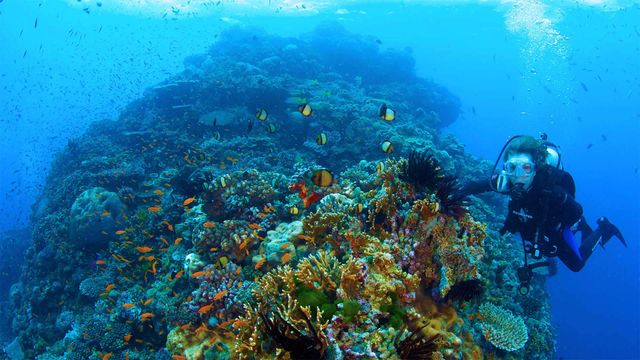 Dr Sylvia Earle explores the Great Barrier Reef in a scene from Mission Blue
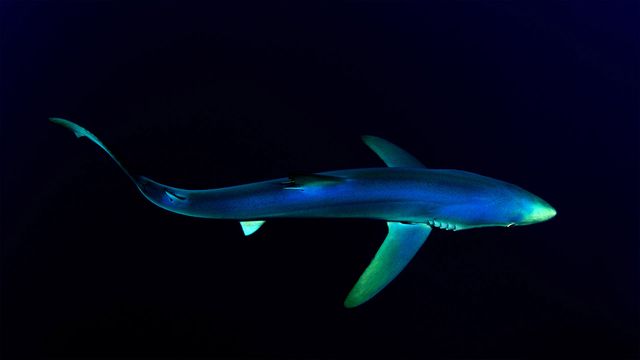 Blue shark near the Azores in the North Atlantic Ocean
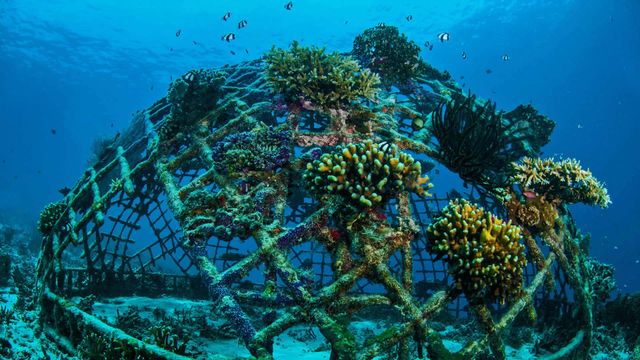 Biorock growing coral off the Gili Islands, Indonesia
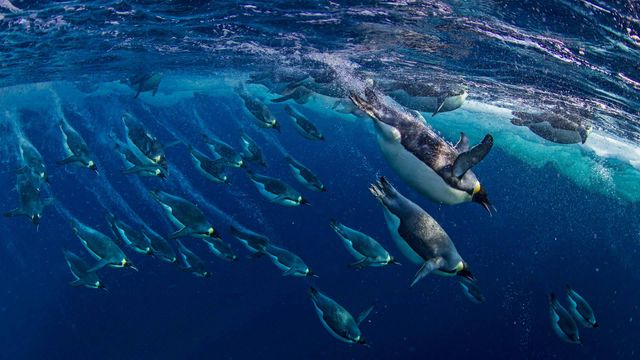 Emperor penguins in the Ross Sea, Antarctica
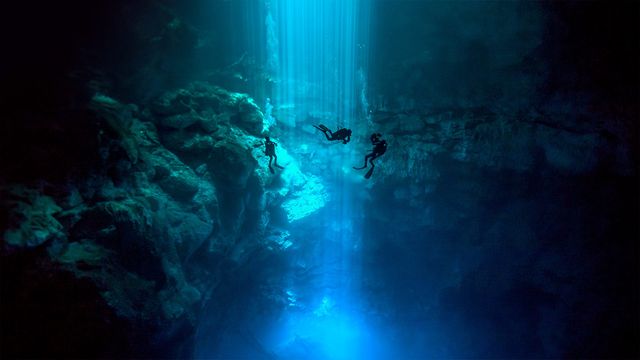 Divers at El Pit Cenote, located in Dos Ojos Natural Park, Quintana Roo, Mexico
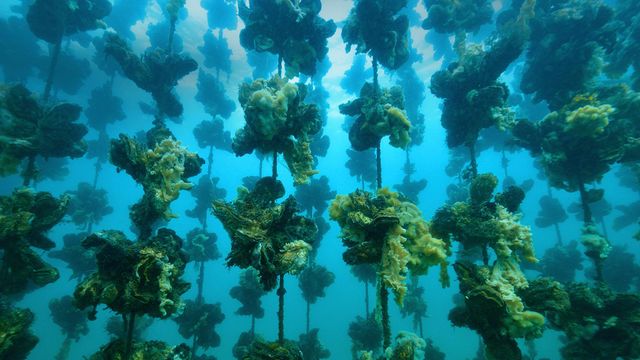 Oyster farm offshore from Notojima Island, Ishikawa Prefecture, Japan
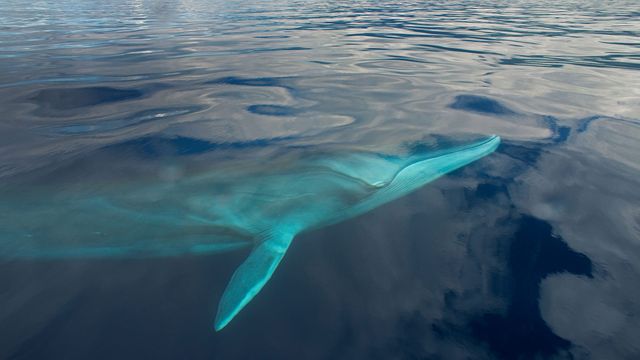 A fin whale in the waters off the Azores
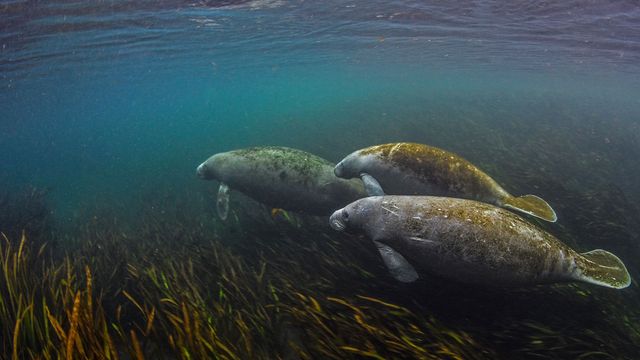 Manatees in the Ichetucknee River in Florida, USA
Bing Today Images