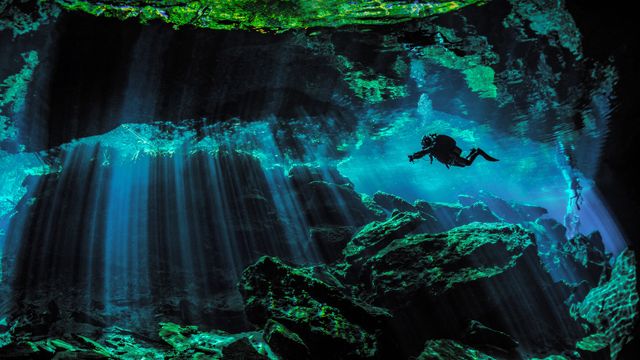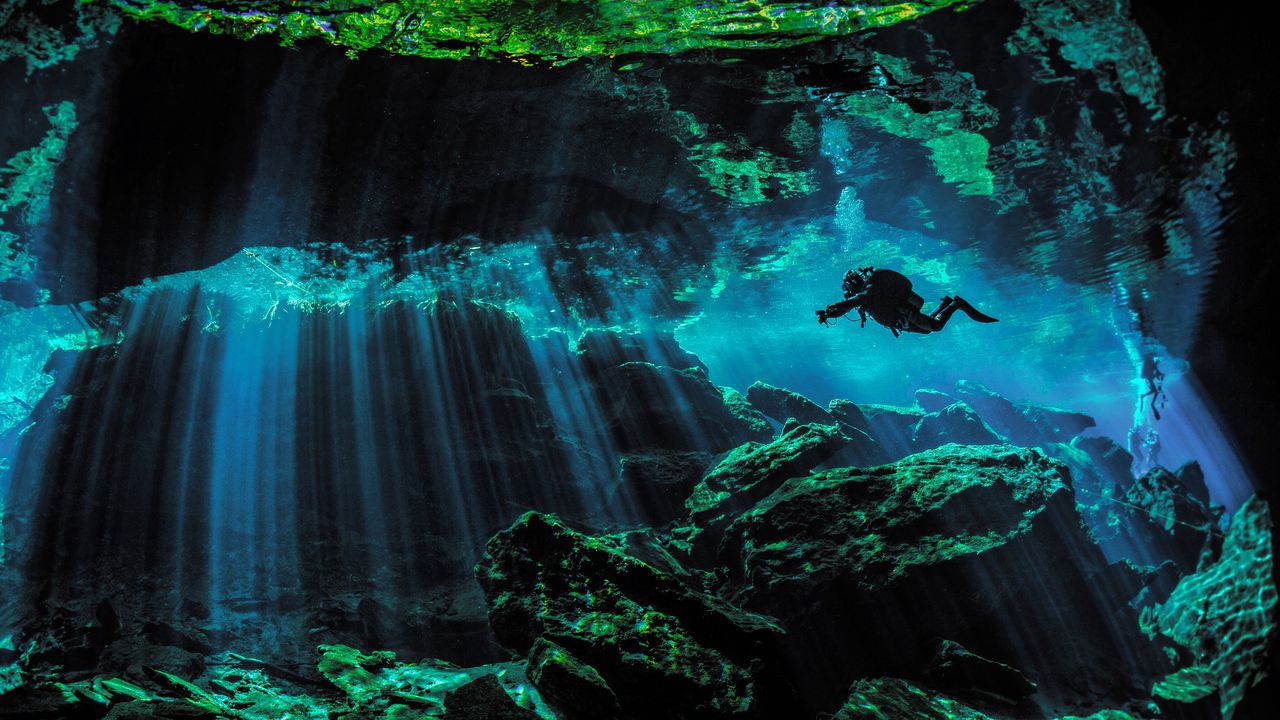
Scuba diver exploring the underwater cenotes near Puerto Aventuras, Mexico
© Extreme Photographer/Getty Image
Underwater underground. Cenotes in Mexico
Like a giant block of Swiss cheese, Mexico’s Yucatan Peninsula is riddled with holes called cenotes. Cenotes form when subterranean limestone dissolves, allowing underground water to penetrate. The rock above may cave in, forming a pit and revealing the cool, often crystal-clear water, while other cenotes may remain hidden and unexplored. Cenotes vary in size from very small to several dozen yards across, and recent discoveries have shown that cenotes lead to a series of underground cave systems that can span several miles in length.
In a region with little rainfall and no rivers or streams, the Yucatan’s 6,000 cenotes were vital to the many cities of the Mayan civilisation that used them as a primary source of fresh water. While some of the peninsula’s cenotes have a mix of salt water and fresh water, many of the holes have remarkably clean fresh water that has slowly filtered through rock. The diffuse light that reaches into the underground chambers creates a magical effect. It makes for fantastic swimming and diving opportunities. Many of the larger cenotes feature platforms and ropes to jump off, and they are often located near historically significant Mayan ruins.
Related Images
 Green sea turtle with sardines near Playa Grandi Beach, Curaçao
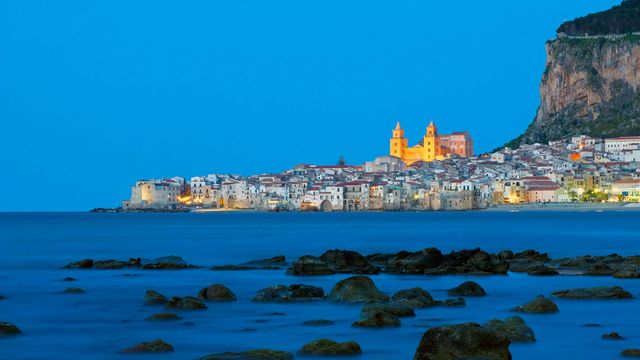 Cefalù on Mediterranean Sea in Sicily, Italy
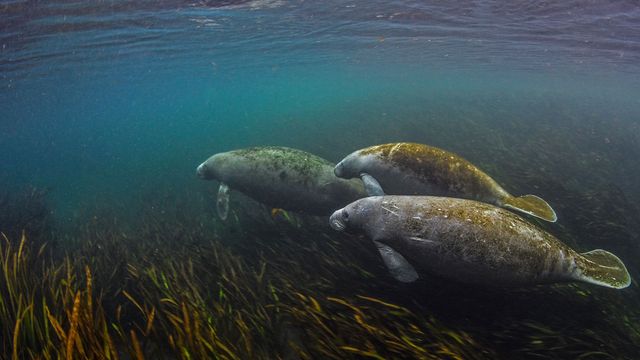 Manatees in the Ichetucknee River in Florida, USA.
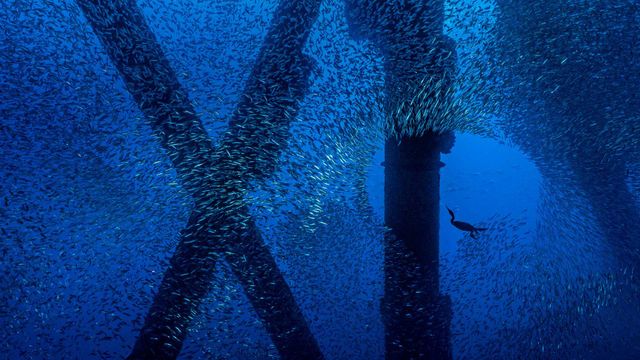 A Brandt's cormorant hunts for a meal in a school of Pacific mackerel beneath an oil rig off the coast of Los Angeles, California, USA
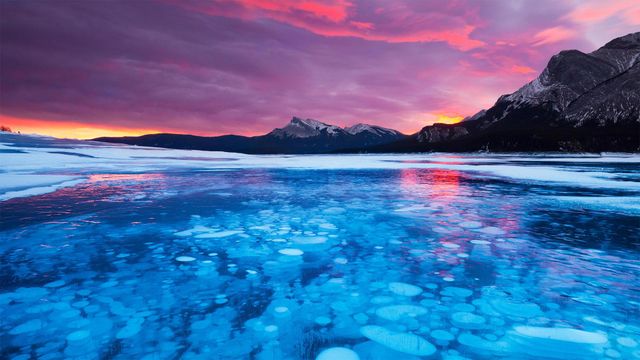 Bubbles in the ice of Abraham Lake in Alberta, Canada
 Dr. Sylvia Earle explores the Great Barrier Reef in a scene from 'Mission Blue'
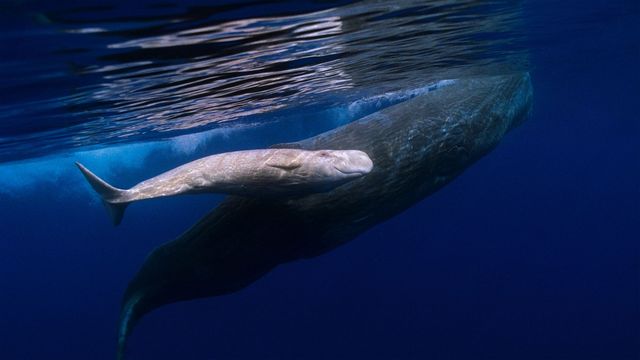 Sperm whale mother and albino baby swimming off the coast of Portugal
 Walruses near Kvitøya in the Svalbard archipelago, Norway
Bing Today Images