Plitvice Lakes National Park, Croatia
© Janne Kahila/Getty Image
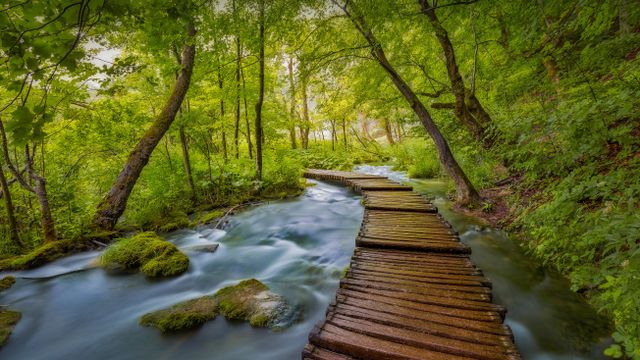
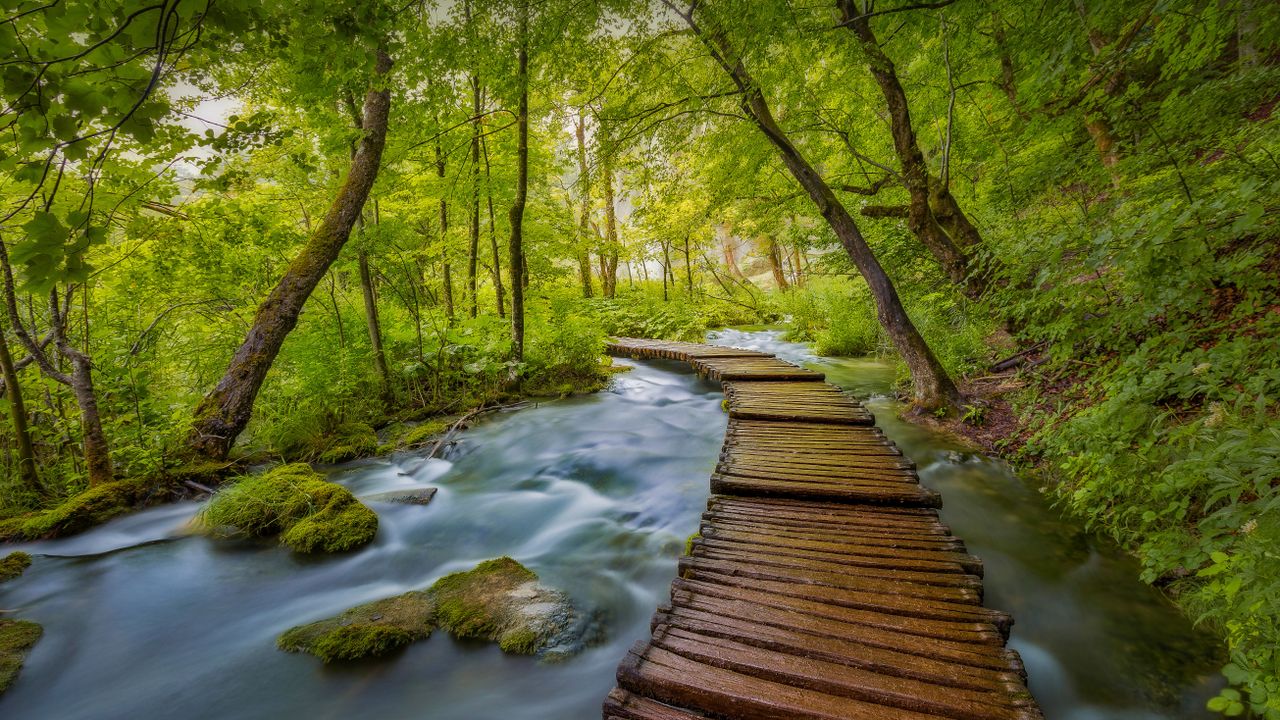
Boardwalk over Balkan lakes. Plitvice Lakes National Park in Croatia
In a country more famous for its coastline, about a million visitors each year venture inland to amble along these boardwalks and marvel at spectacular lakes and mountains. Plitvice Lakes National Park is the oldest and largest of Croatia's national parks. The big attraction is the series of 16 descending, turquoise-coloured lakes, connected by subterranean karst rivers, and above ground by streams and waterfalls. The lakes are separated by natural dams of travertine, which is deposited by moss, algae, and bacteria. The water changes colour from green to azure to grey depending on the angle of the light and the density of minerals and organisms in the water. About 17 kilometres of wooden boardwalk make it easy for people to wander among the lakes, falls, and caves that are open to visitors year-round.
The 297-square-kilometre park was established in 1949 in what is now central Croatia, near the border of Bosnia and Herzegovina. In 1979, Plitvice’s unique beauty put it on the list UNESCO World Heritage Sites. The lakes seem to magically disappear into the moss-covered earth, and then reappear downstream, proof enough that these woods are indeed enchanted.
Related Images
 Male leopard in Linyanti Wildlife Reserve, Botswana
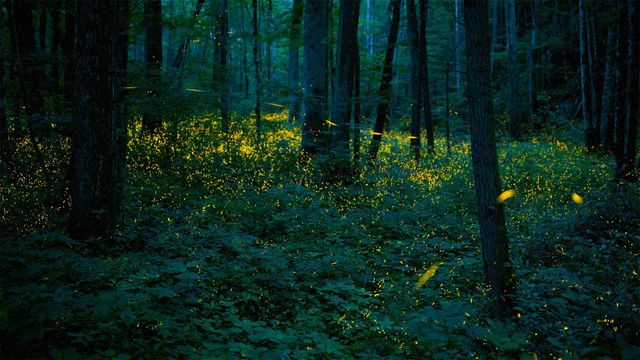 Synchronous fireflies illuminate the forests of Great Smoky Mountains National Park, Tennessee
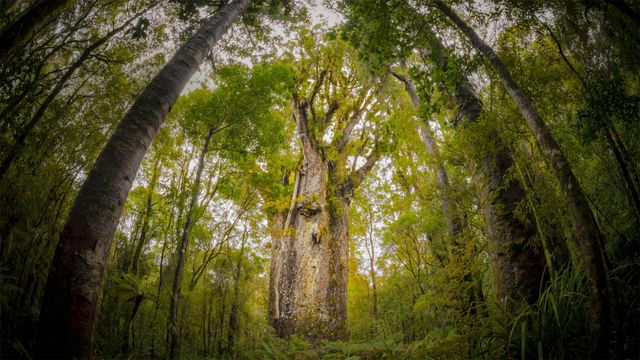 Te Matua Ngahere, a giant kauri tree growing in Waipoua Forest, Northland, New Zealand
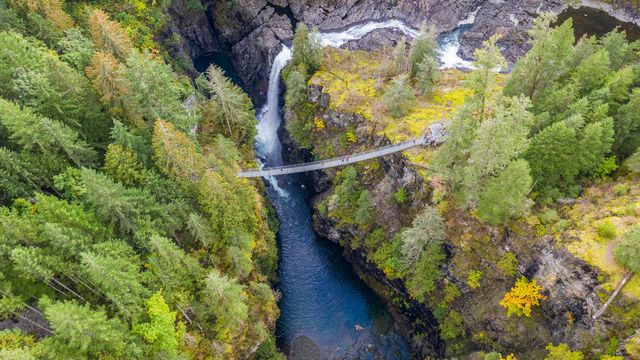 Aerial view of Elk Falls suspension bridge on Vancouver Island
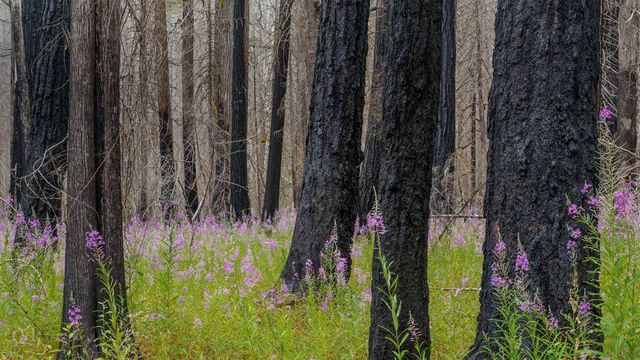 Fireweed in North Cascades National Park in Washington state
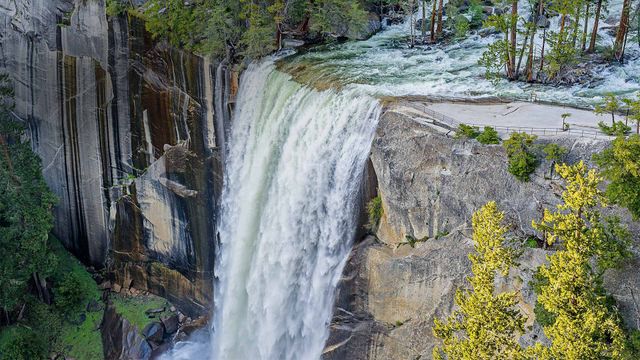 Vernal Fall in Yosemite National Park, California
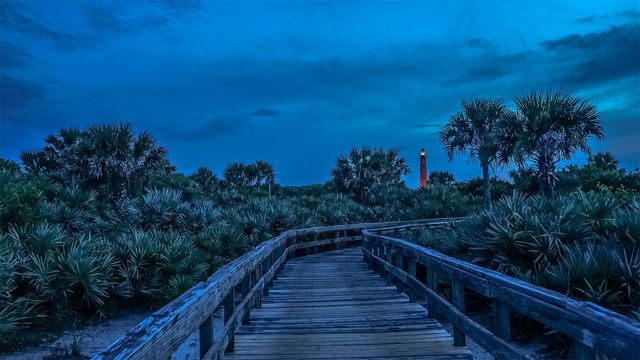 Looking inland from Ponce de León Inlet toward the lighthouse, Florida
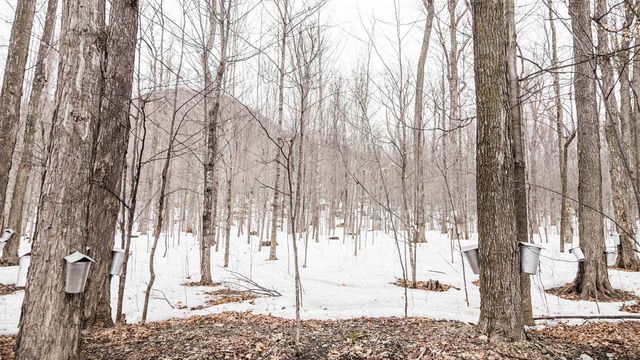 Sap buckets hanging on maple trees in a forest, Quebec
Bing Today Images