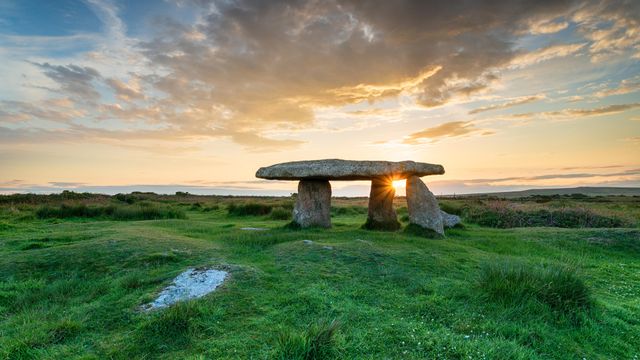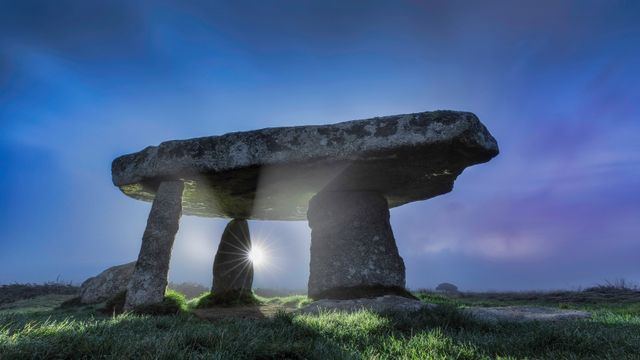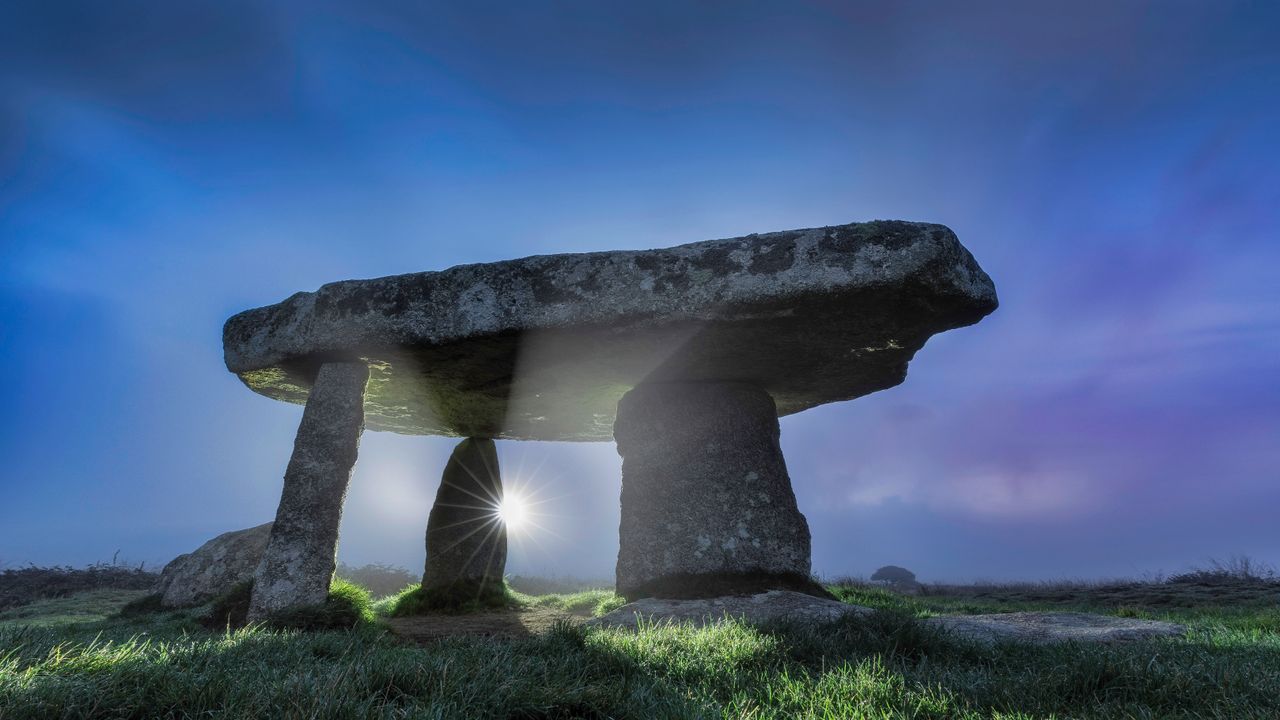
Lanyon Quoit burial chamber, Cornwall
© Guy Edwardes/Minden Picture
It’s just pi in the sky.... Pi Day
Did prehistoric humans build this structure to celebrate Pi Day? Seems unlikely. Pi Day is a relatively recent phenomenon, invented by an American physicist in 1988. The number π (pi) itself, however, has been around since antiquity, when it was first calculated as the ratio of a circle’s circumference to its diameter.
In the USA, 14 March expressed numerically (in month/date format) is 3/14 – matching the mathematical constant’s first digits (it doesn’t work quite as well with the UK date format). But some go to great lengths to be able to recite pi’s digits way beyond 3.141592…, which earns them plaudits in some, um, circles. The world record is a staggering 70,000 digits after the decimal point - achieved by 21-year-old student Rajveer Meena in 2015.
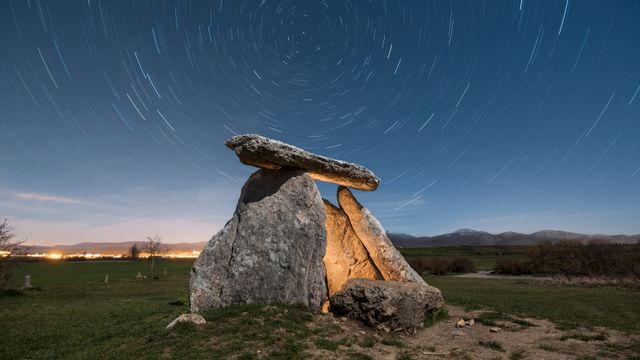
You might prefer to celebrate by simply eating a slice or two of pie, but while you’re there, take some time to appreciate the unintentional π symbol formed by this Neolithic burial chamber in Cornwall. As the morning sun warms Lanyon Quoit’s ancient stones, consider who built it and how, as it predates metal tools and is older than Egypt’s pyramids. Theories abound, of course, but could π have been involved?
Related Images
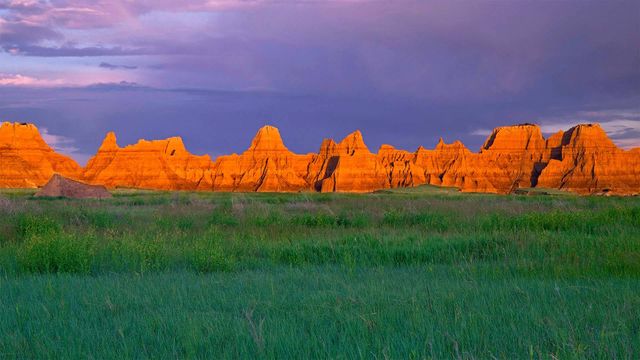 Prairie and pinnacles near Castle Trail in Badlands National Park, South Dakota, USA
 Great Point Light on Nantucket Island, Massachusetts, USA
 An old farm in the Shetland Islands, Scotland
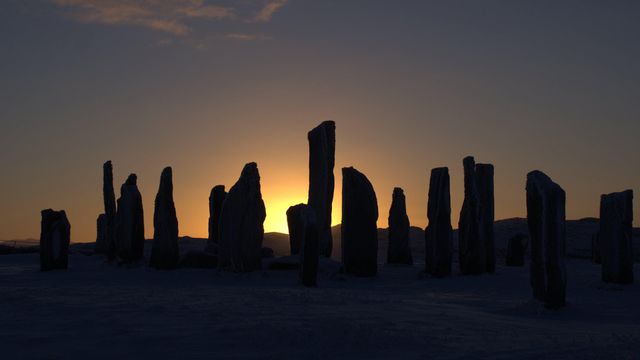 The Callanish Stones, Isle of Lewis, at sunset
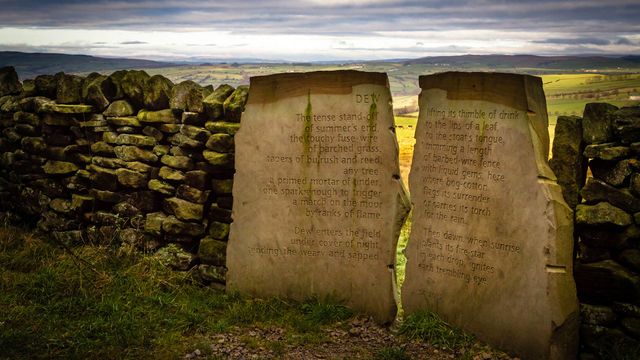 The Dew Stone, part of the Stanza Stones trail, in Yorkshire
 Sunset over an abandoned cottage on the foothills of Brown Willy on Bodmin Moor, the highest point in Cornwall
 Casa do Penedo (House of the Rock) in Portugal
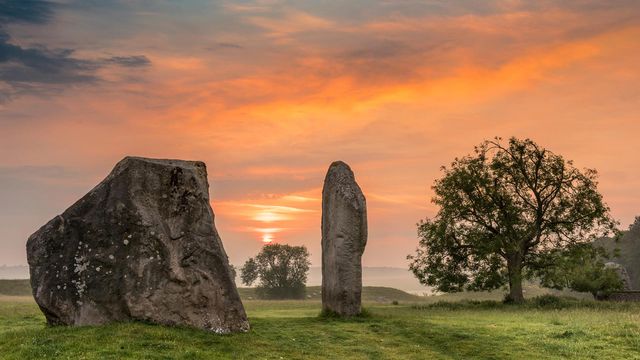 Dawn breaks over the ancient Sarsen Stones at Avebury, Wiltshire, at Summer Solstice
Bing Today Images