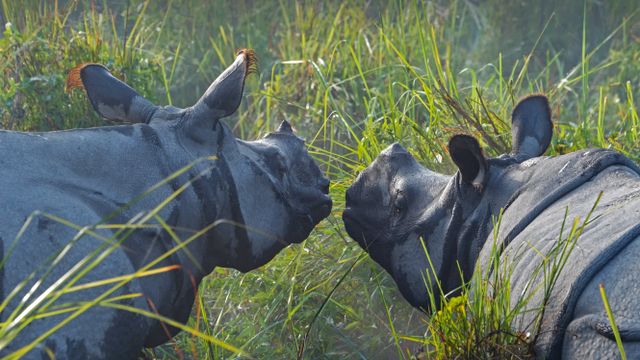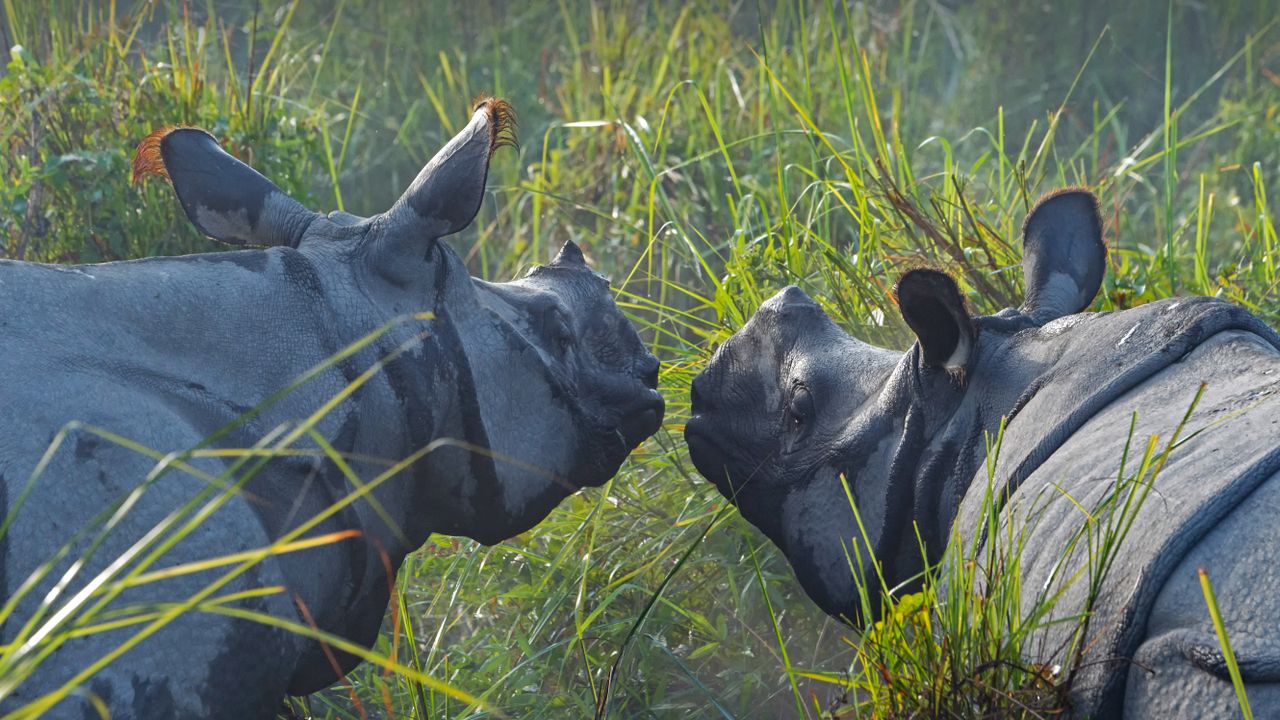
Greater one-horned rhinoceros in Kaziranga National Park, Assam, India
© Robert Harding World Imagery/Shutterstoc
Celebrating World Wildlife Day. Greater one-horned rhinos
Today is World Wildlife Day (WWD), the U.N.-sponsored tribute to efforts that protect the plants and animals that make our world so special. This year's WWD theme is 'recovering key species for ecosystem restoration'—key species like the greater one-horned rhinoceros you see here in northeastern India's Kaziranga National Park. These unique creatures have staged a remarkable comeback from the verge of extinction in the early 20th century, when their numbers had dwindled to a precarious low of around 200 animals. But with the concerted efforts of Indian and Nepalese wildlife authorities, the population of greater one-horned rhinos has slowly built back up to around 3,700 today.
This megaherbivore, noted for its single black horn, is considered a keystone species due to the disproportionately important role it plays in their native ecosystem. Conservation efforts have concentrated on the rhinoceros' traditional habitat in northeastern India and the grasslands of Nepal. The rhinos are especially important to the health of the ecosystems there because they love to wallow in puddles of water–by doing so they help to protect, expand, and create new holes for use by other animals, significantly enriching the habitat for all.
Related Images
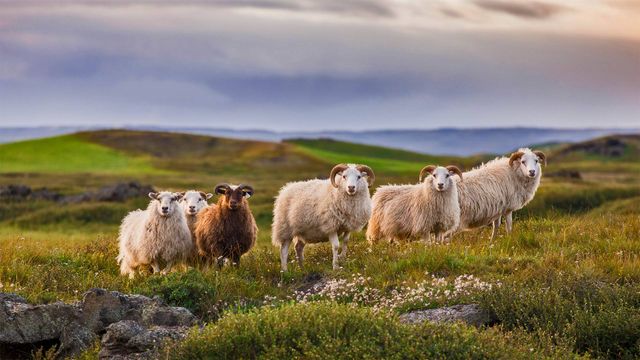 Icelandic sheep ready for réttir
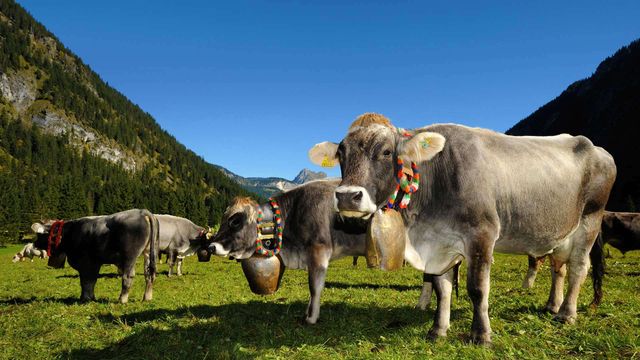 Decorated cows for the Almabtrieb, where the cattle are led back from their alpine pasture, Tannheimer Tal, a valley in Tyrol, Austria
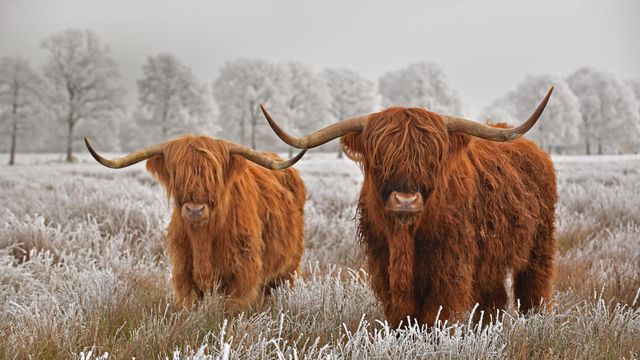 Highland cattle in Drenthe province in the Netherlands
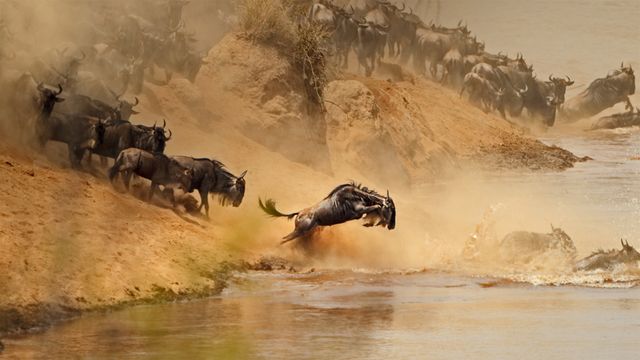 Wildebeest herd crossing the Mara River between Kenya and Tanzania
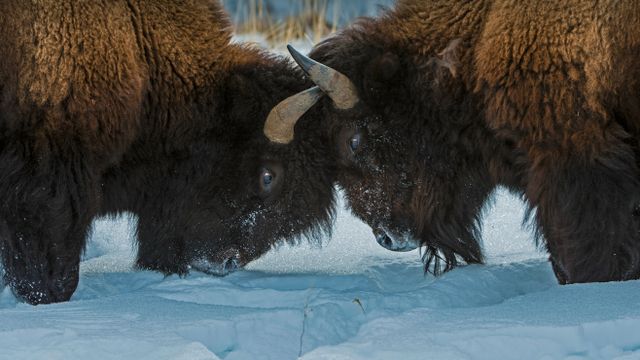 American bison in Yellowstone National Park, Wyoming
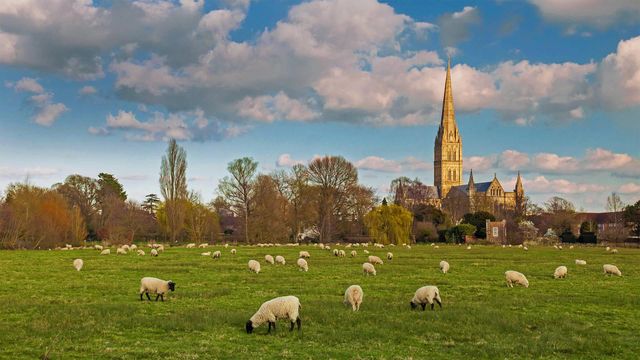 Salisbury Cathedral with grazing flock of sheep, England
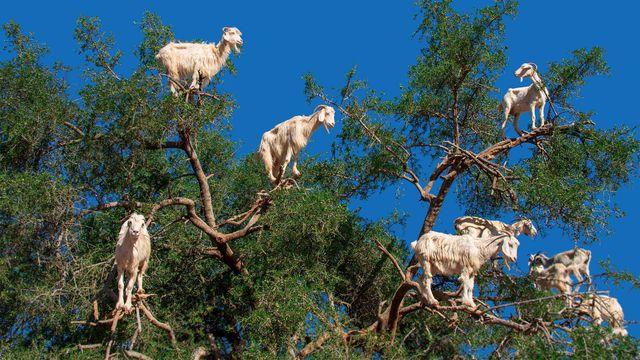 Goats in an argan tree near Essaouira, Morocco
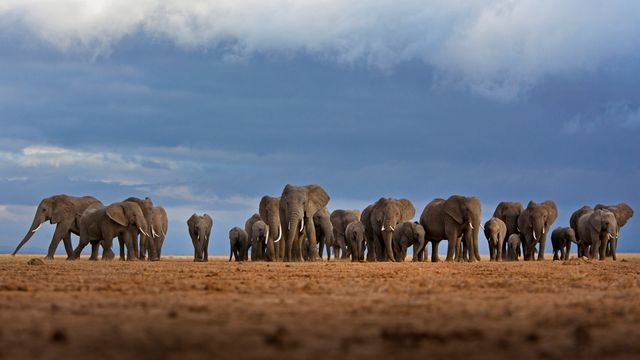 Elephants in the Amboseli National Park, Kenya
Bing Today Images