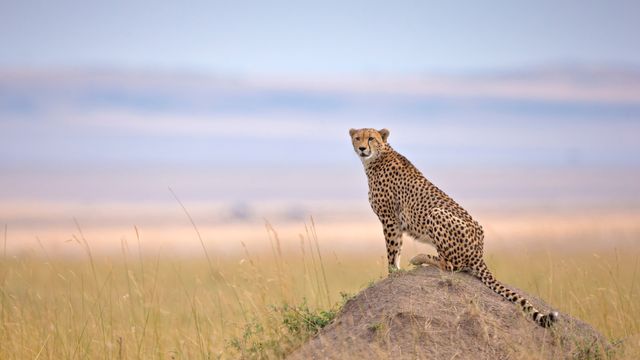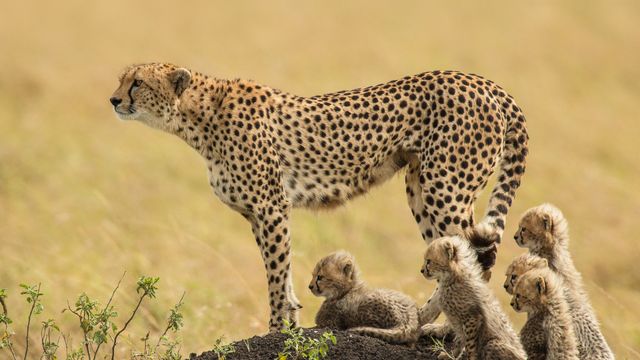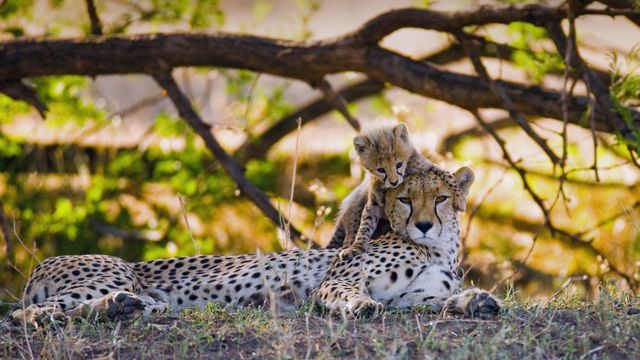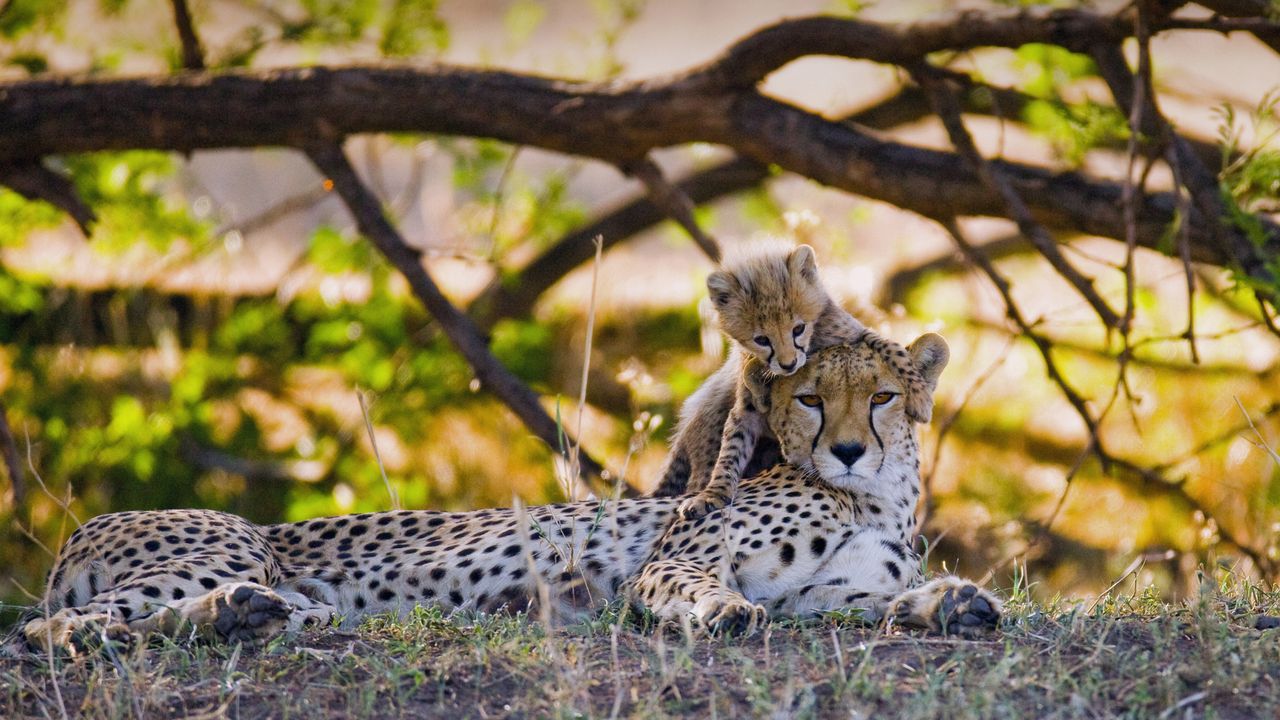
Mother cheetah and her cub in the Maasai Mara nature reserve, Kenya
© gudkovandrey/Adobe Stoc
Elegant felines of the savannah. Cheetah mother and cub
Today we're in Kenya's Maasai Mara National Reserve to celebrate Wildlife Conservation Day, which also happens to be International Cheetah Day—two reasons to extend our appreciation for this elegant mother and cub. These lithe and lightweight cats are built for speed, with compact heads, thin torsos, and long legs that help them accelerate up to 110 kmph when hunting gazelles or antelopes on the savannah. Because cheetahs have uniquely flexible spines, they're able to make sharp, sudden turns, even during a high-speed chase. Individual cheetahs tend to avoid one another, but a cub like this one will stay with its mother for about 18 months, and a female cub may stick with mom into adulthood. Some males are territorial and will form small groups, called coalitions, to defend a prized area.
Into the 19th century, cheetahs ranged across most of sub-Saharan Africa and were also abundant in the Middle East and India. Today, they live in small, isolated populations in southern and central Africa, with just a few dozen individuals left in central Iran. A 2016 estimate placed their total population at 7,100 worldwide. While cheetahs are the fastest land animal on earth, they can't outrun human encroachment and loss of habitat, and are considered a vulnerable species.
Related Images
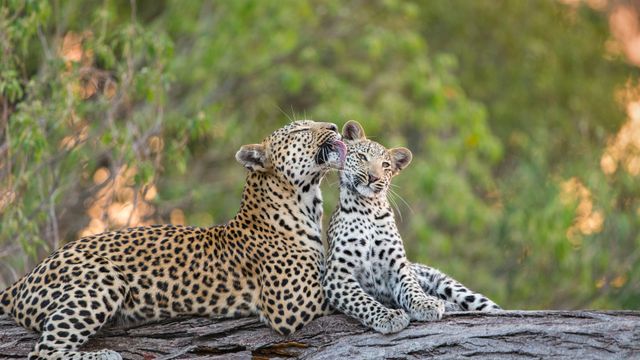 Leopard mother grooming her cub, Jao Reserve, Botswana
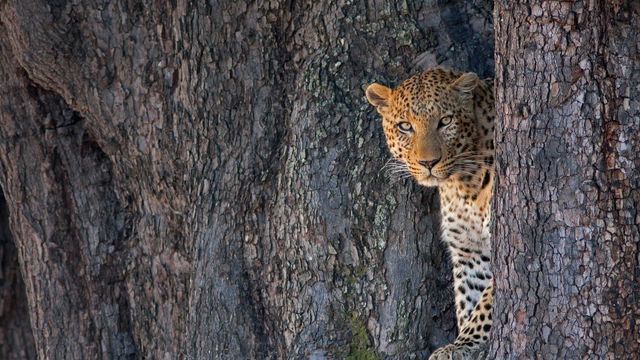 Male leopard in Linyanti Wildlife Reserve, Botswana
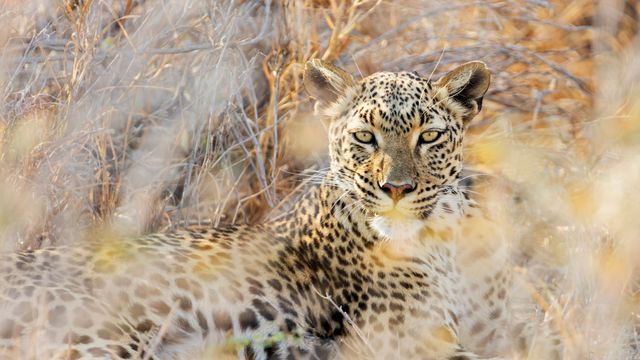 Leopard at Etosha National Park, Namibia
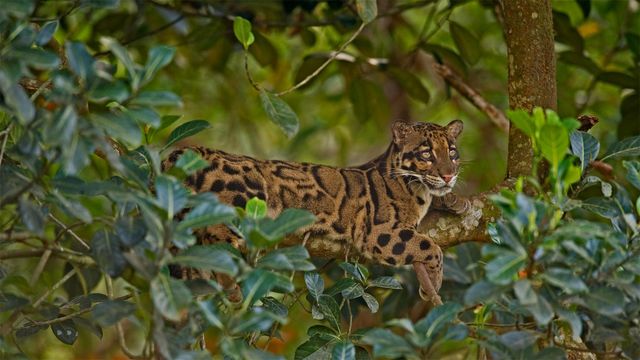 Clouded leopard
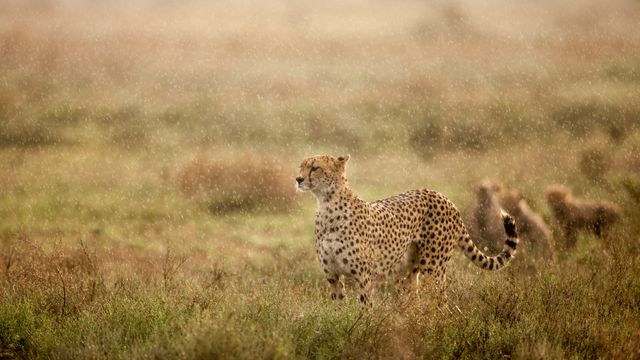 Cheetah in morning rain, Ndutu Plains, Ngorongoro Conservation Area, Tanzania
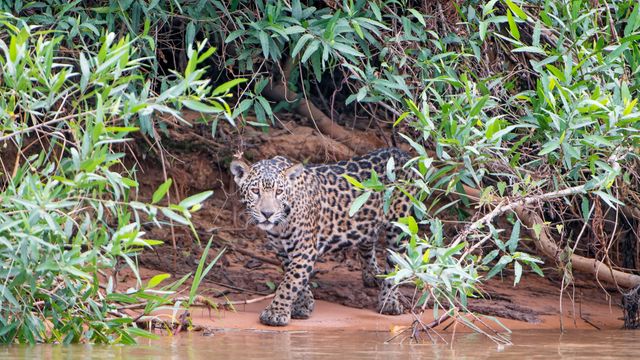 A young jaguar on a riverbank, Pantanal, Brazil
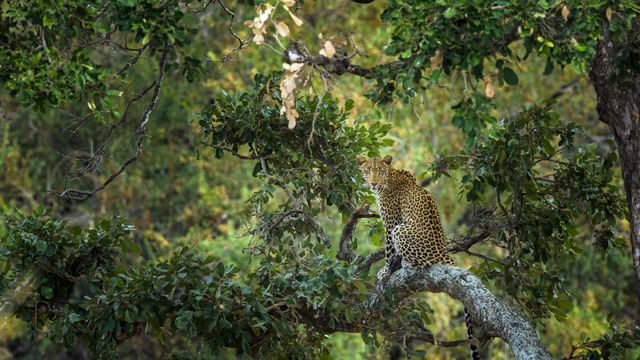 Leopard in a tree, Kruger National Park, South Africa
Bing Today Images