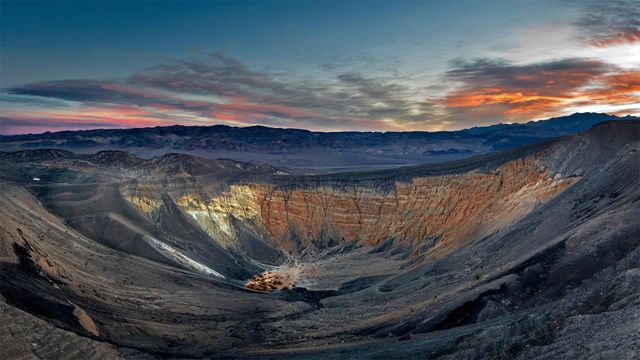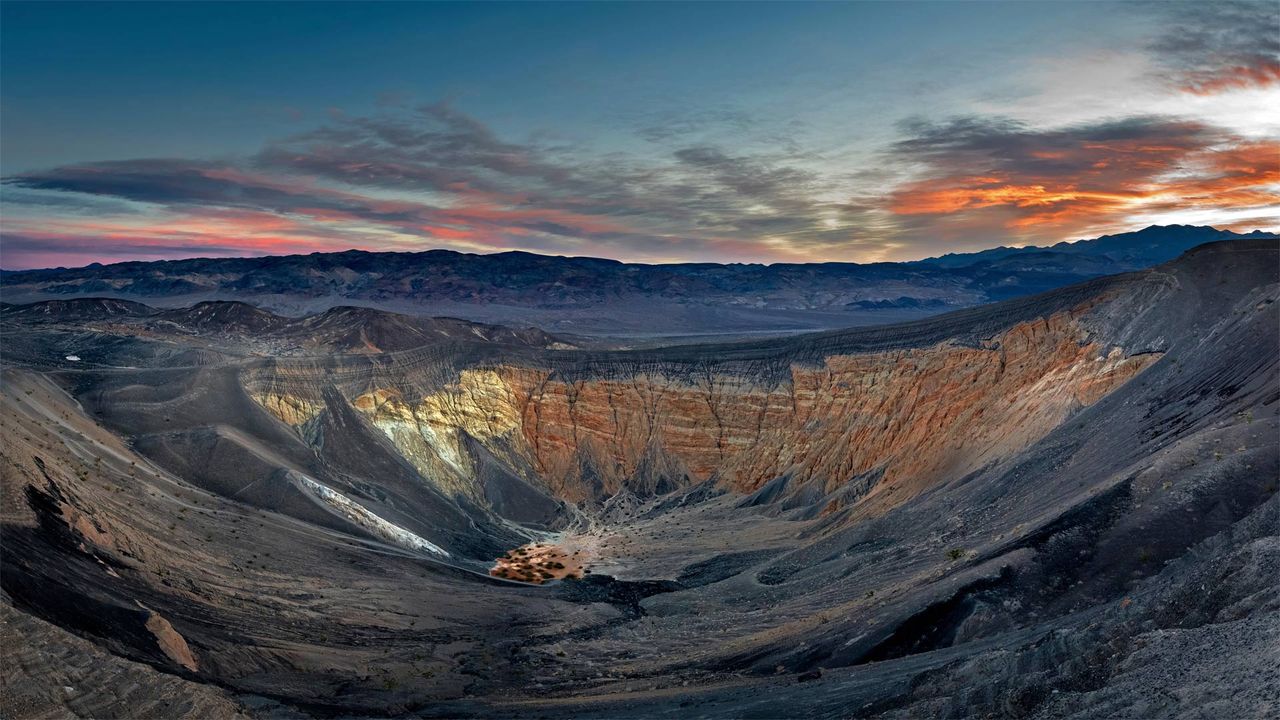
Ubehebe Crater in Death Valley National Park, California
© Albert Knapp/Alam
When Death Valley blew its top
Deep below Death Valley's charred surface, blazing hot magma once gushed up through a geologic fault until it hit groundwater. The magma quickly turned the water to steam, and like a defective subterranean pressure cooker, the Earth's crust blew its top in a ferocious explosion. The hydrovolcanic eruption sent up a mushroom cloud of steam and spewed burnt volcanic cinders for miles. It also left the giant crater seen in this photo and 12 smaller ones spread across the surface.
The Ubehebe Crater (pronounced you-bee-HEE-bee) is a half-mile across and more than 700 feet deep. Geologically speaking, Ubehebe and the other craters here are quite young. A 2016 study concluded that the craters were all formed in a relatively brief series of explosions – a period of days or weeks – about 2,100 years ago. Another eruption could happen, but visitors need not worry about the ground below their feet – seismometers in the region will alert geologists in advance of any future volcanic unrest. A trail around the rim of the crater offers views of the colourful layers of stone along the walls. Adventurous hikers can descend to the bottom, but it's a long slog back out again, especially on a sweltering summer day.
Related Images
 Firefall at Horsetail Fall, Yosemite National Park, California
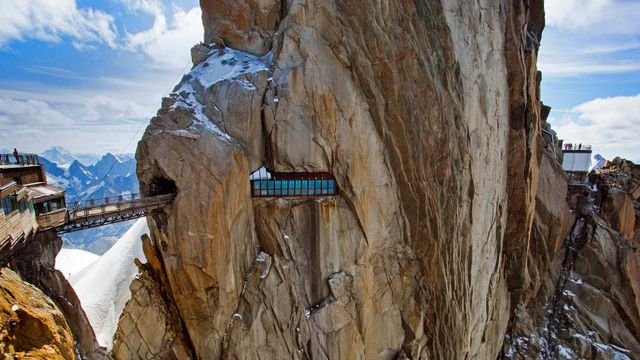 A walkway through a mountain peak in Chamonix, France
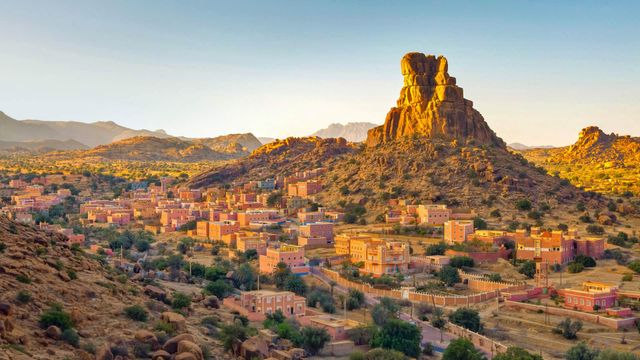 The village of Aguerd Oudad and the larger town of Tafraout in Morocco
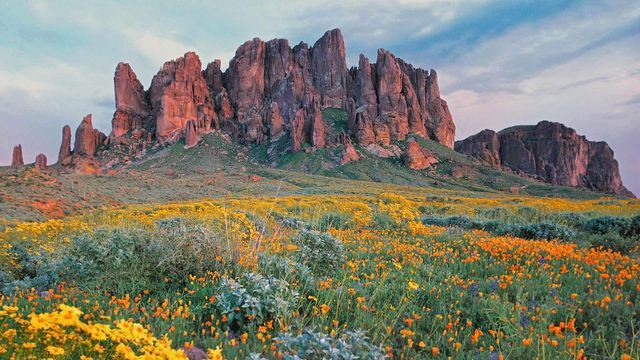 Wildflowers in bloom at Lost Dutchman State Park in Arizona, USA
 Bath, Somerset, England
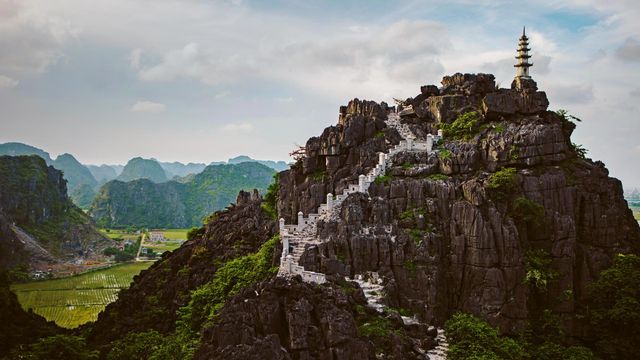 Mua Caves in the Ninh Bình province of Vietnam
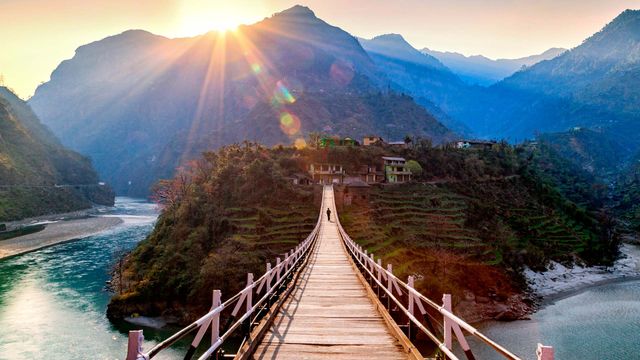 hanging bridge near Manali
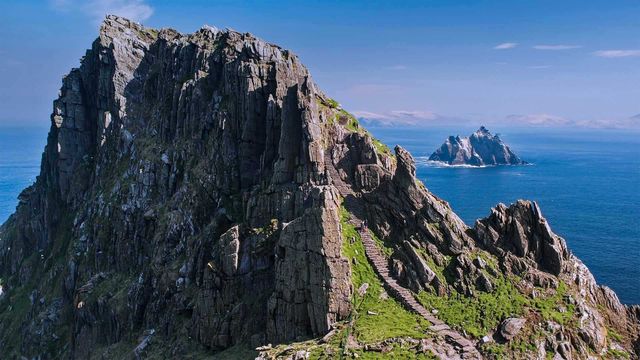 The Skellig Islands, Skellig Michael and Little Skellig, in Ireland
Bing Today Images