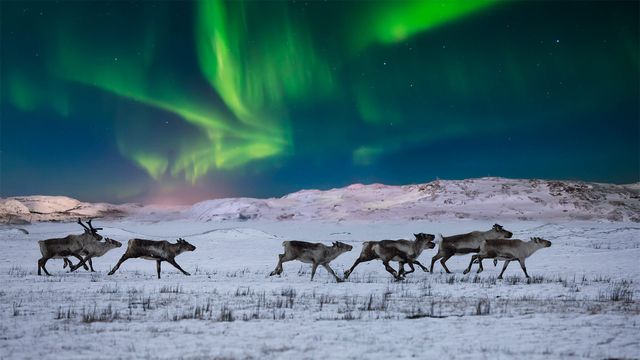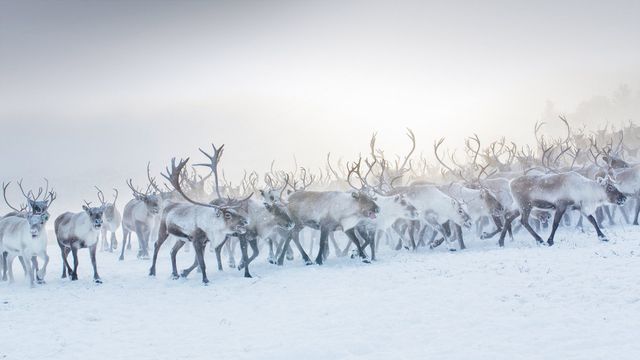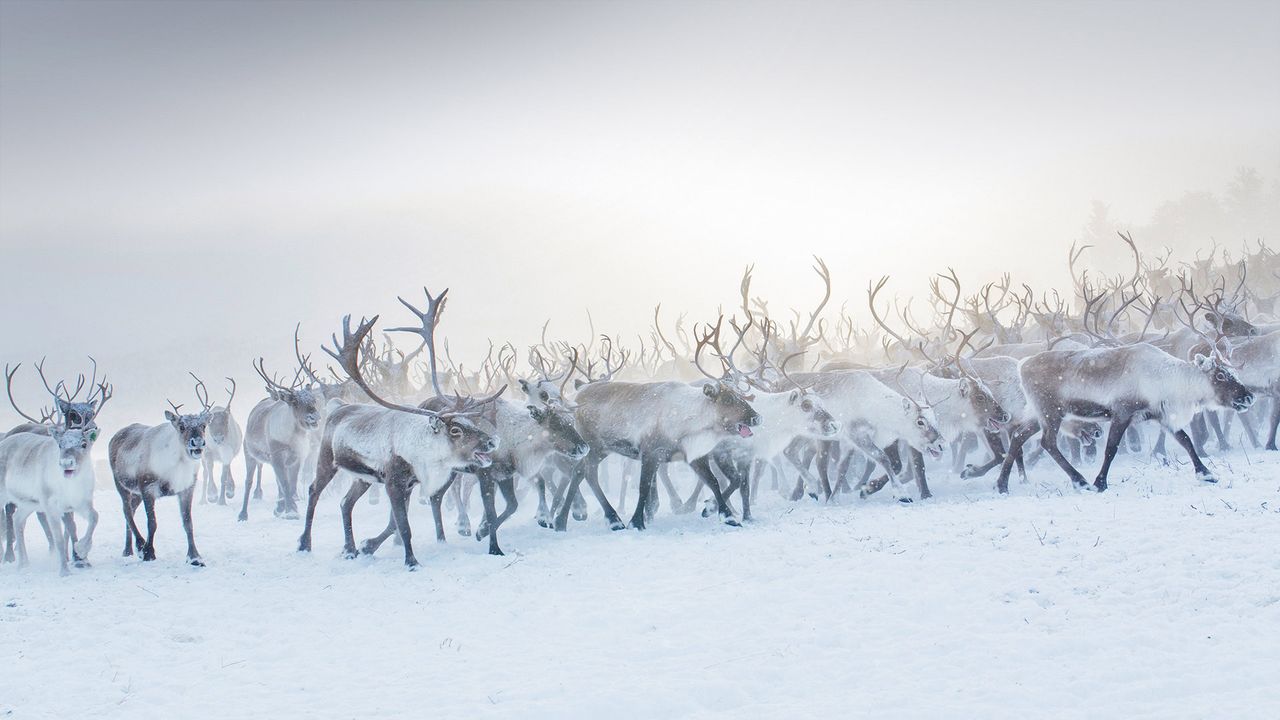
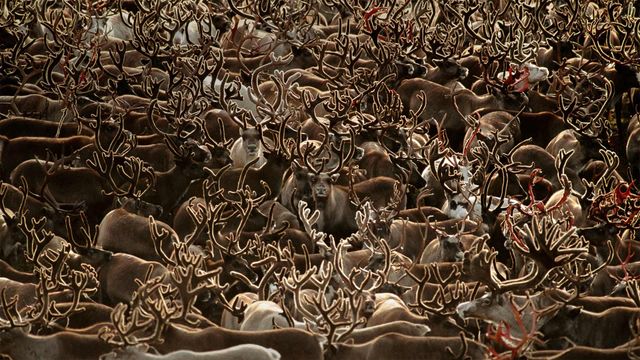
A herd of reindeer in Norway
© Lena Granefelt/plainpictur
Dashing through the snow
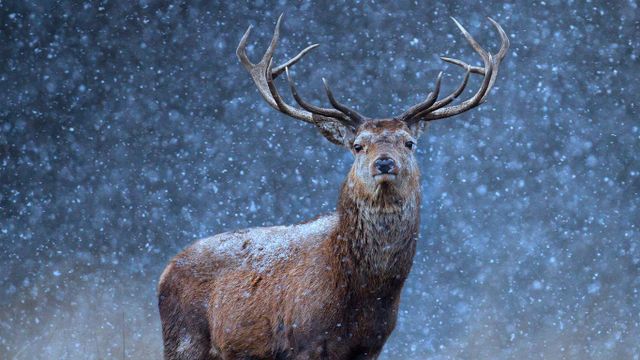
While many associate reindeer with the wonder of the holidays, these animals are magical in their own way. Sometimes known as caribou, reindeer are well-adapted to live in cold, rugged Arctic regions. They're built to withstand frigid temperatures with the help of thick, dense fur and noses that warm the air before they breathe it in.
Reindeer were introduced to Christmas lore in 1823 with the poem 'The Night Before Christmas'. Written by Clement Moore, the verses paint a picture of a Santa Claus and his sleigh, driven by eight flying reindeer. In 1939, Robert May introduced Rudolph the Red-Nosed Reindeer to the holiday tradition when his employer, American entrepreneur Montgomery Ward, asked him to write a story that the department store could use as a promotion during the busy Christmas shopping season. The short story became popular among children and was later turned into an animated feature. Rudolph even got his own song and eventually became one of the most famous and beloved Christmas symbols. Even though science doesn’t support the theory of flying reindeer, you might want to look twice tonight when gazing up at the starry sky - you never know what you might see.
Related Images
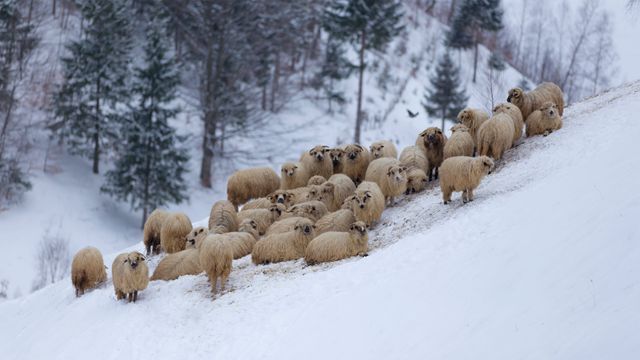 Flock of sheep in the mountains, during winter
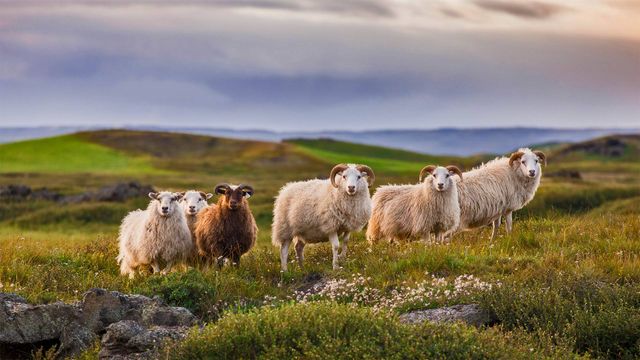 Icelandic sheep ready for réttir, Iceland
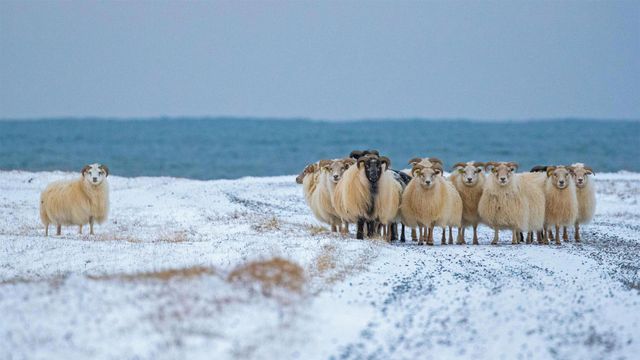 Icelandic sheep for the first night of the Yule Lads
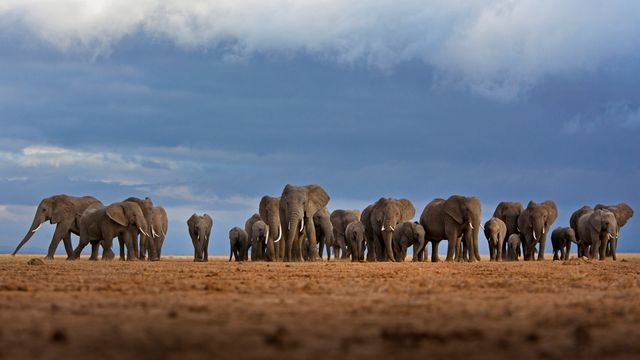 Elephants in the Amboseli National Park, Kenya
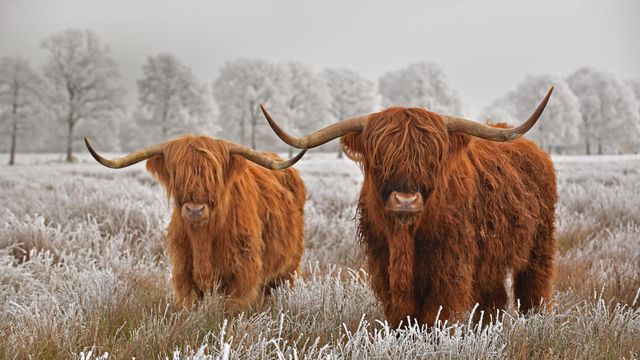 Highland cattle in Drenthe province in the Netherlands
 Caribou in Kobuk Valley National Park, Alaska
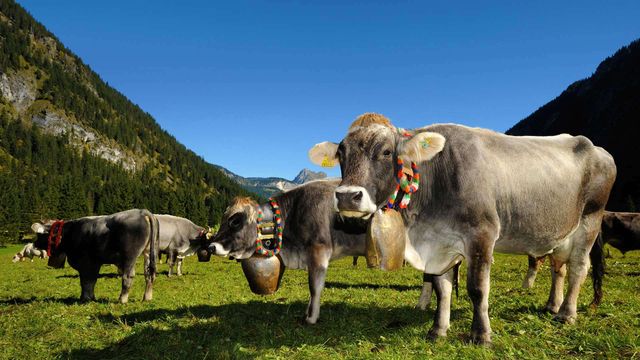 Decorated cows for the Almabtrieb, where the cattle are led back from their alpine pasture, Tannheimer Tal, a valley in Tyrol, Austria
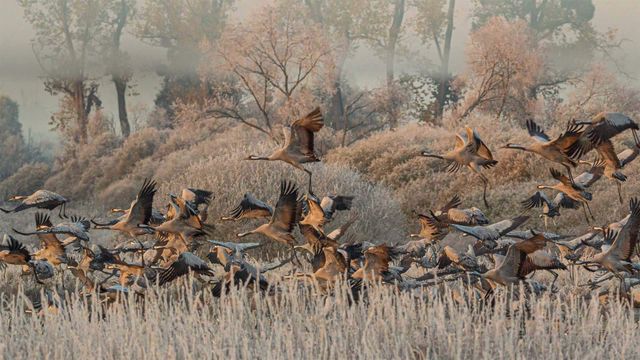 Common cranes in the Drömling wetland in Germany
Bing Today Images