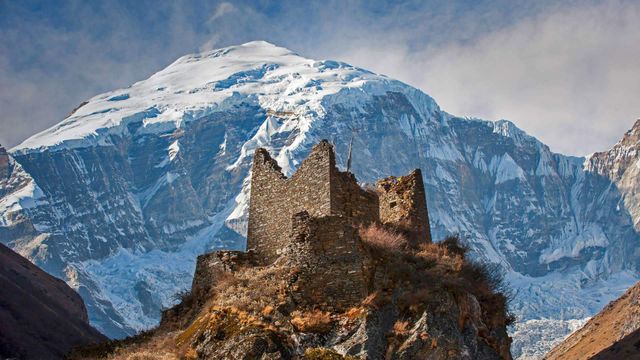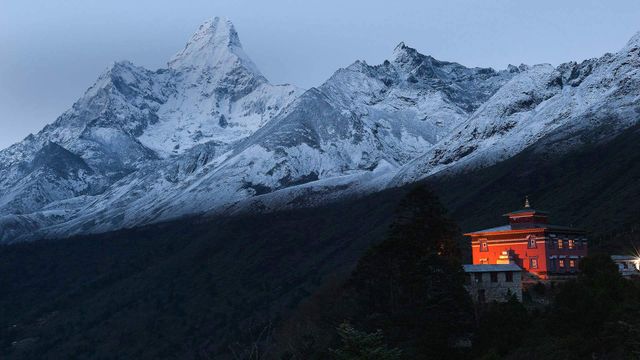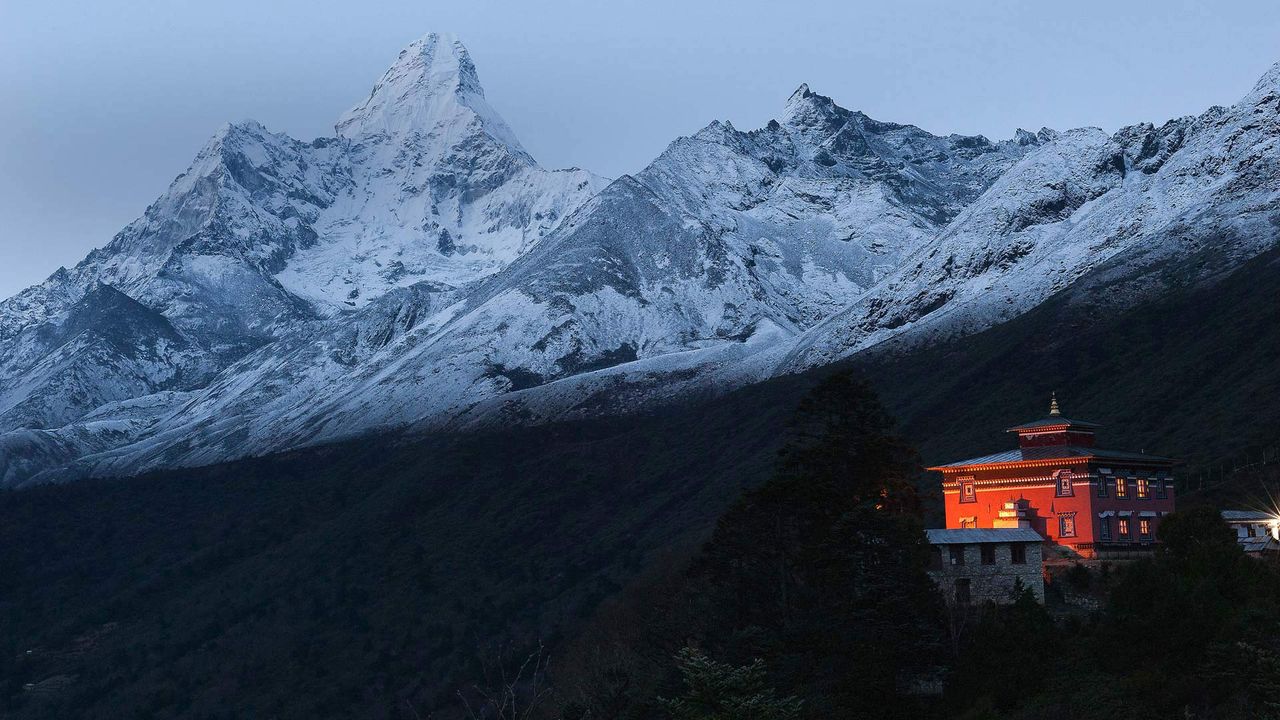
Tengboche Monastery in the Himalayan Mountains, Nepal
© Kyle Hammons/Tandem Stills + Motio
In the Himalayas for International Mountain Day
The steep, angular summit of Ama Dablam rises behind Tengboche Monastery, a Tibetan Buddhist site resting at over 3.6 kilometres. Ama Dablam means 'mother's necklace': Its swooping shape is thought to evoke a mother cradling a child, and a dangling glacier on its southwest face is believed to resemble the religious pendants many Sherpa women wear. Situated in the nearby Khumbu Valley, Tengboche Monastery is a stop on the Sacred Sites Trail Project, a self-guided trek through holy places that dot Nepal's Sagarmatha National Park.
We're showing it to you today for International Mountain Day, celebrated each December 11. Created by the United Nations in 2003, the observance recognises the challenges faced and overcome by high-elevation populations. Among these mountain people are the Sherpas, who live here, high in the Himalayas, and haul scarce resources by backpack or yak over terrain where wheels are useless. Many Sherpas make dangerous livings as mountaineering guides.
The 2019 theme for International Mountain Day, 'Mountains Matter for Youth,' recognises the many young people who live in such mountain settlements. Mountain Day events worldwide will educate children and adults in ways to preserve precious mountain resources, not only for future generations but also the 1.1 billion people who call mountains home today.
Related Images
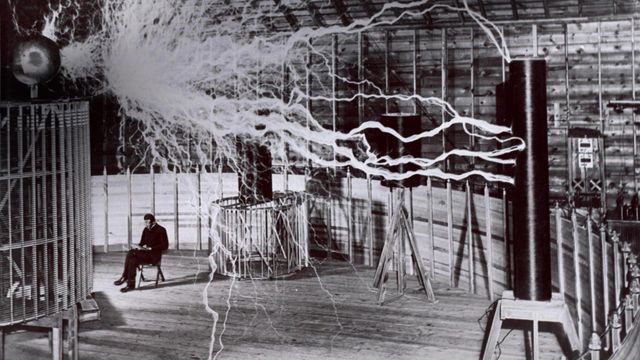 For Science Fiction Day, inventor Nikola Tesla and his ‘magnifying transmitter’
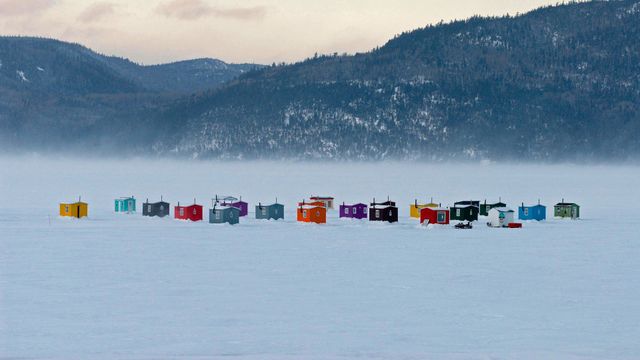 Ice-fishing village near L'Anse-Saint-Jean, Quebec, Canada
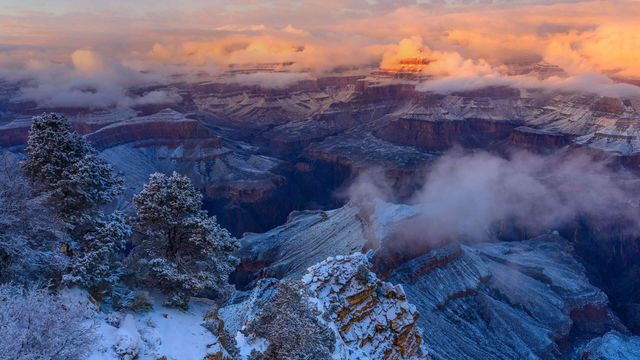 Winter at the Isis Temple in Grand Canyon National Park, Arizona
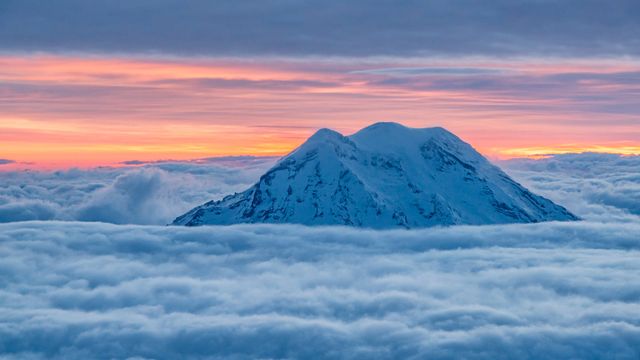 Mount Rainier National Park in Washington state
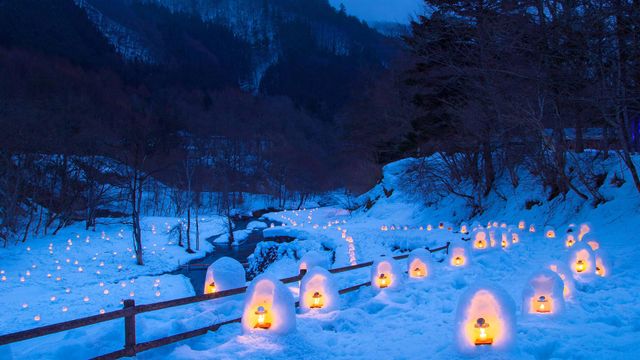 Yunishigawa Kamakura Festival in Tochigi Prefecture, Japan
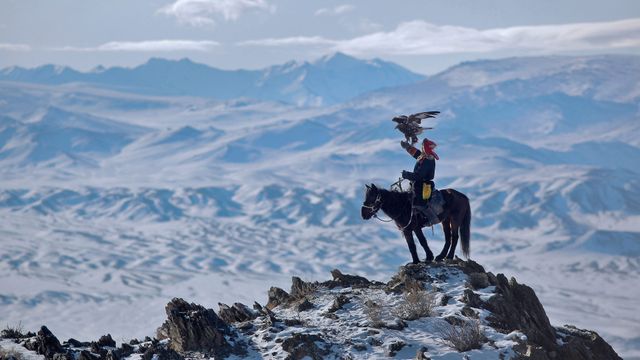 A rider hunts with an eagle in the Altai Mountains of Mongolia
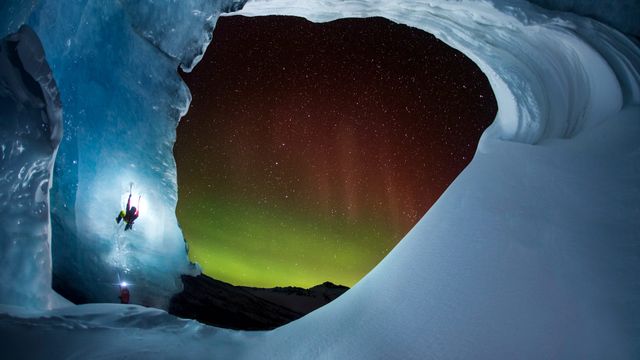 Climbing Athabasca Glacier in Jasper National Park, Alberta, Canada as the Aurora Borealis glows
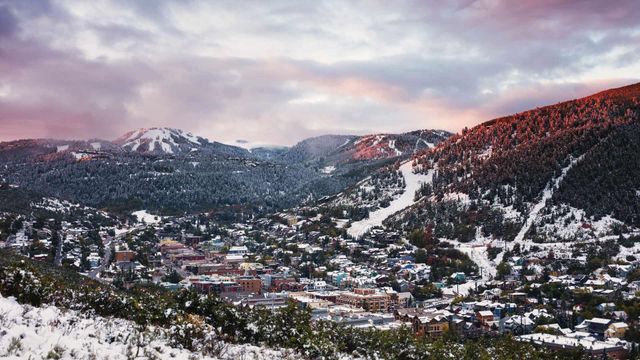 Park City, Utah, for the Sundance Film Festival, which begins today
Bing Today Images