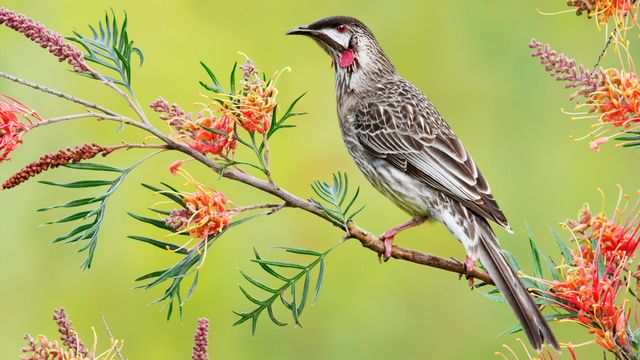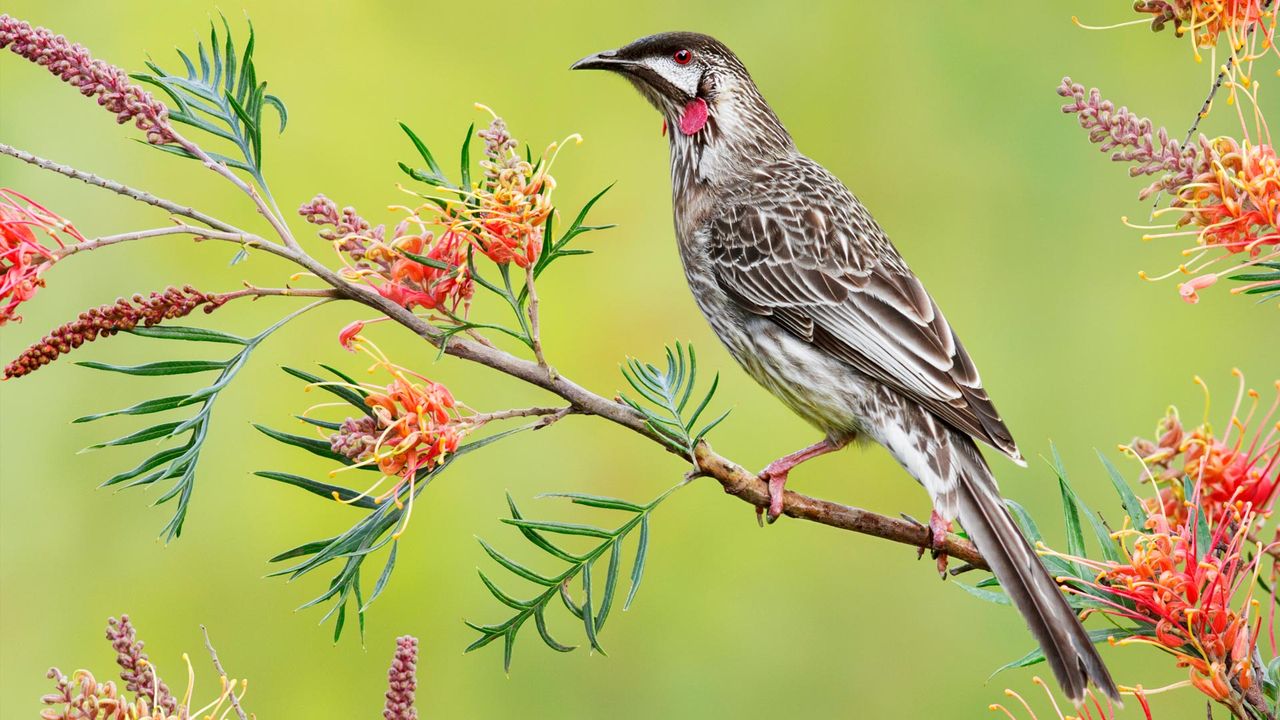
Red Wattlebird (Anthochaera carunculata), Victoria, Australia
© plainpicture/Minden Pictures/Jan Wegener/BI
Highlighting Australia’s hungry honeyeater. Highlighting Australia’s hungry honeyeater
While we mainly associate the humble bee as nature’s primary nectar-lover, so too does the Red Wattlebird. In fact, aside from a small handful of insects, berries and honeydew, it’s the main source of sustenance for the native animal. Typically found in the southern areas of the country, the Red Wattlebird uses its thin, curved bill and brush-tipped tongue to probe its way into flowers and remove their tasty nectar. The bird’s love for nectar runs so deep that it’s even known to aggressively protect food-bearing plants from other honeyeater species. Seems we’re not the only ones capable of getting a little ‘hangry’.
Related Images
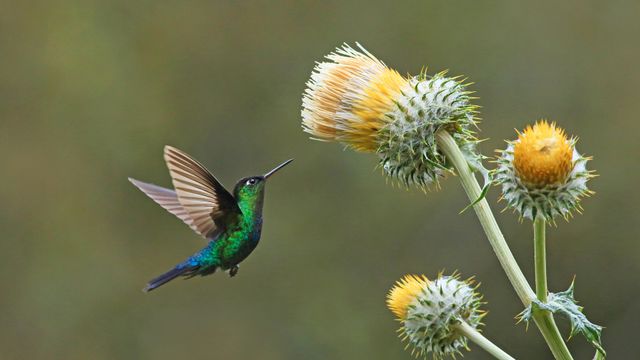 Green-crowned brilliant hummingbird with giant thistle, Cerro de la Muerte, Costa Rica
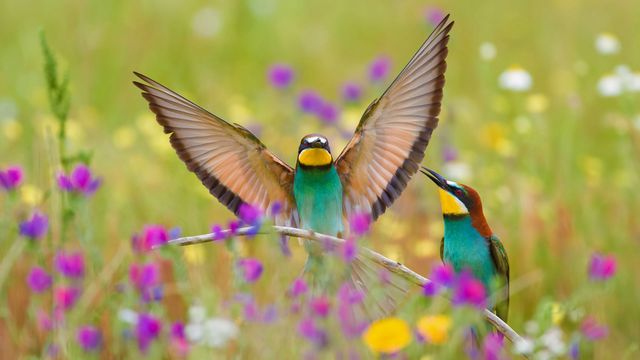 European bee-eaters in the Extremadura region in Spain
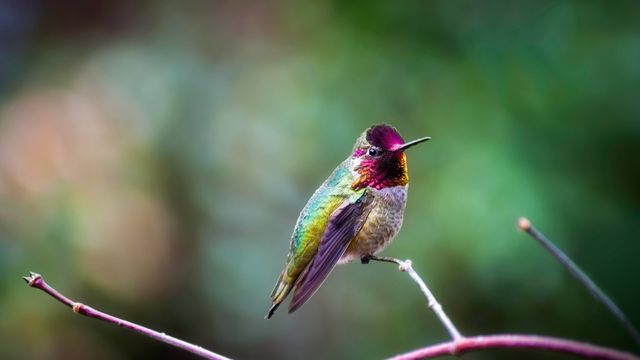 Anna's hummingbird
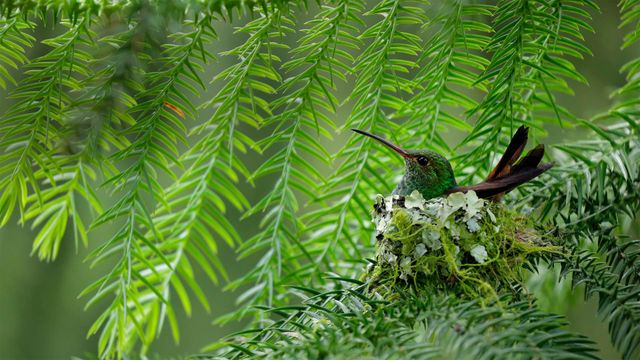 A rufous-tailed hummingbird in Costa Rica
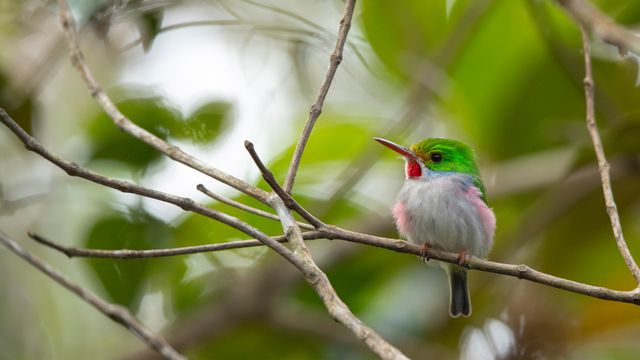 Cuban tody, Alejandro de Humboldt National Park, Cuba
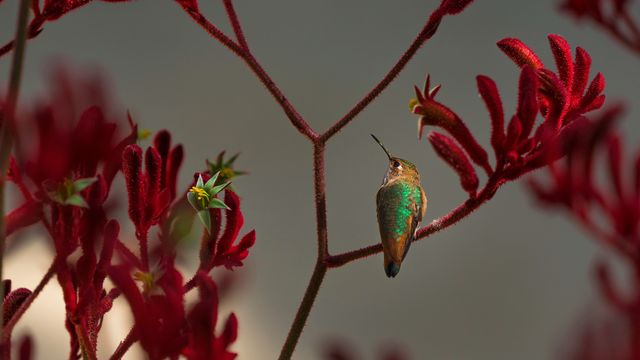 Allen's hummingbird perched on a red kangaroo paw plant
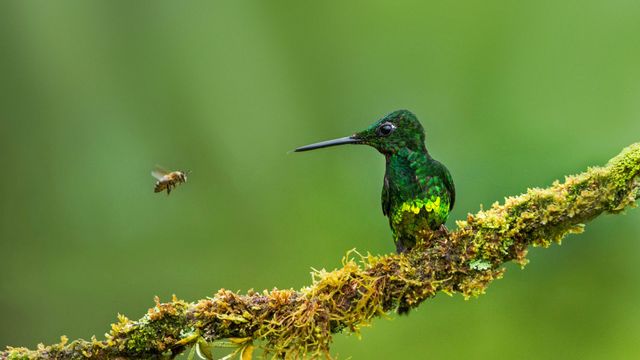 Empress brilliant hummingbird and a bee in Colombia
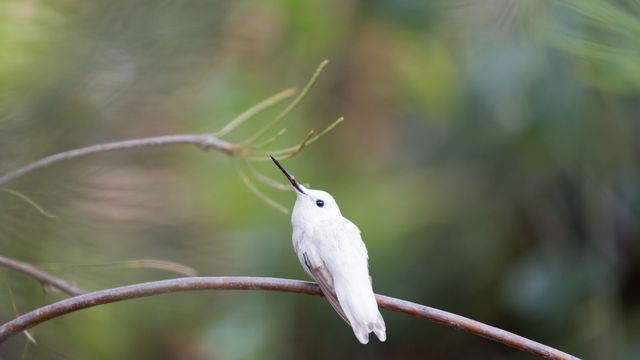 Leucistic Anna's hummingbird in the Australia Garden, UCSC Arboretum, Santa Cruz, California, USA
Bing Today Images
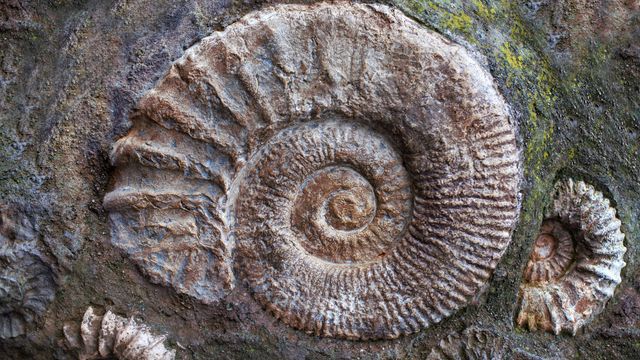
Ammonite fossils from the Jurassic Period
Oct 14, 2026

Village of Oia, Santorini, Greece
Oct 14, 2025

Fishing boats at Coco Beach in Goa, India
Oct 14, 2024

'Ring of fire' annular solar eclipse, Doha, Qatar
Oct 14, 2023
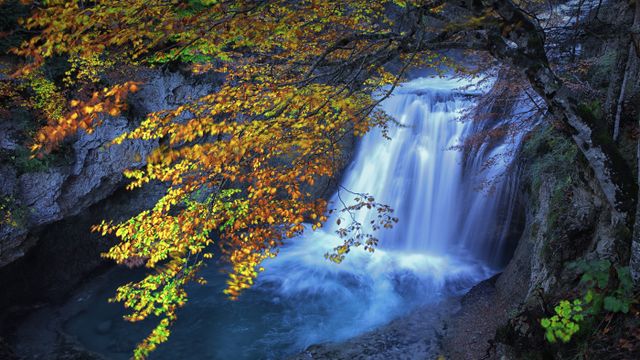


Derwent Reservoir, Derbyshire, England
Oct 14, 2017

Iron Canyon Trail near Park City, Utah
Oct 14, 2016