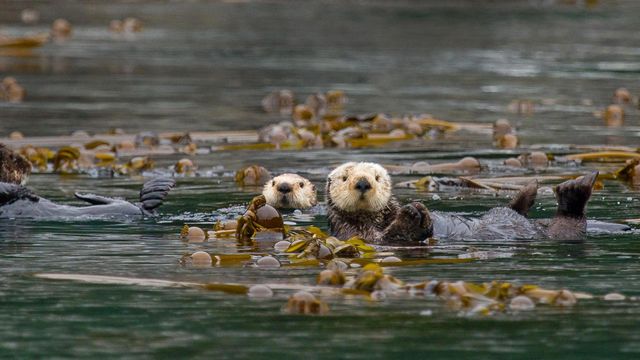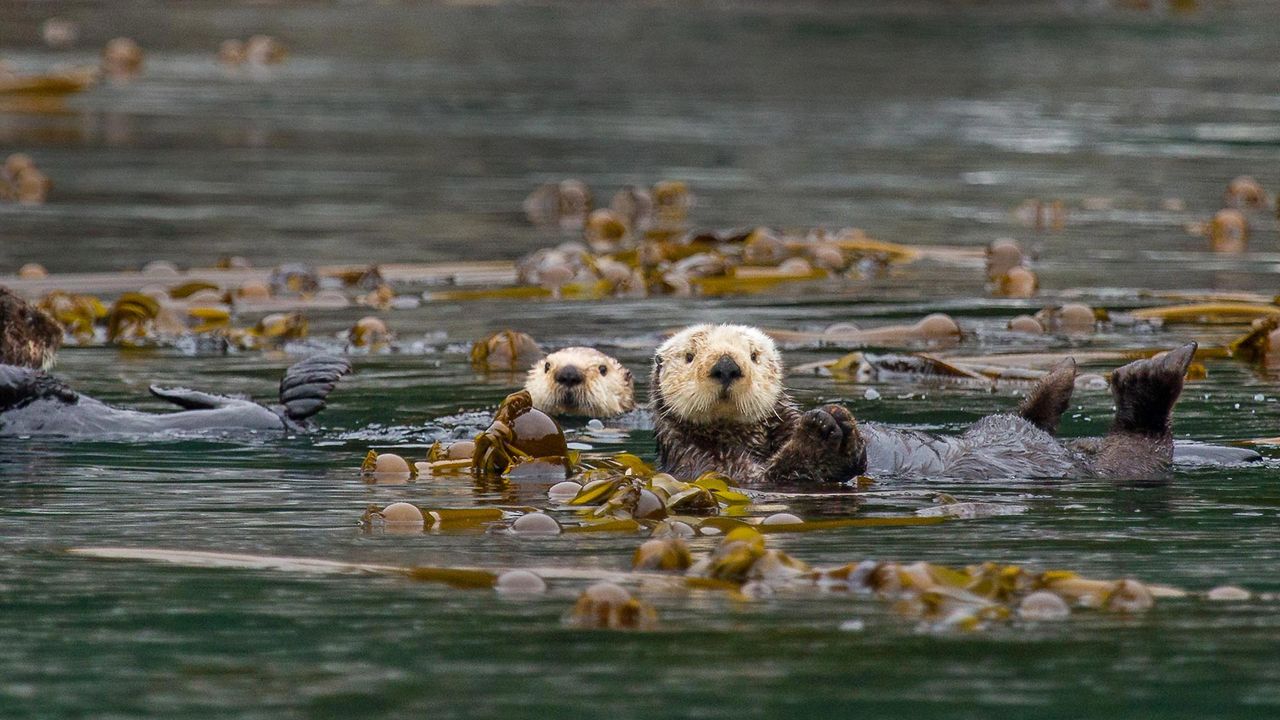
Sea otters in Alaska’s Inside Passage
© Erika Skogg/Getty Image
Kelp buddies. Kelp buddies
These sea otters in Alaska are floating amid kelp—an important flora friend to the endangered marine mammals. Sea otters live mostly in the water and use the thick blades of kelp to anchor themselves as they sleep and to keep their buoyant pups from floating away. Just as the kelp helps otters, sea otters help the kelp, too. They ensure the kelp's survival by eating sea urchins. If sea urchin populations are left unchecked, these spiny vacuum cleaners of the sea destroy kelp forests by munching on holdfasts that tether kelp to the ocean floor. The resulting clear-cut areas, called urchin barrens, are devastating to the overall ecosystem. Kelp forests provide food and safe harbor for hundreds of fish species and other sea creatures. They also remove carbon dioxide from the air, a benefit to us all.This week is Sea Otter Awareness Week, so let's thank these 'Keepers of the Kelp' for gobbling up those sea urchins. Bon appétit!
Related Images
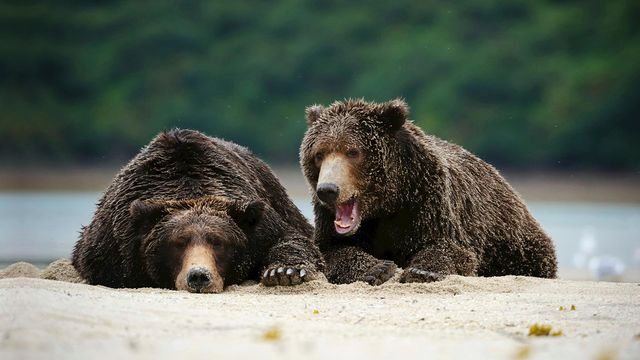 Brown bears in Katmai National Park and Preserve, Alaska
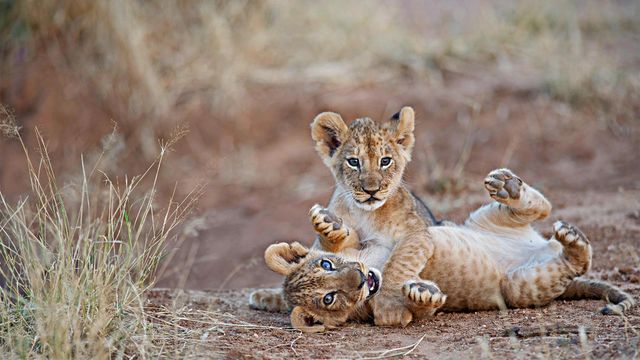 For Siblings Day, lion cubs wrestling in Samburu National Reserve, Kenya
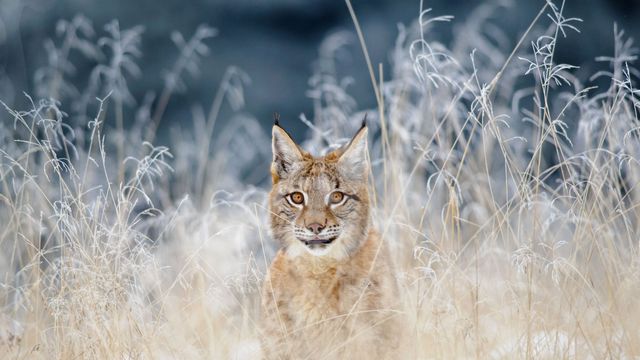 Eurasian lynx in the Bohemian-Moravian Highlands of the Czech Republic
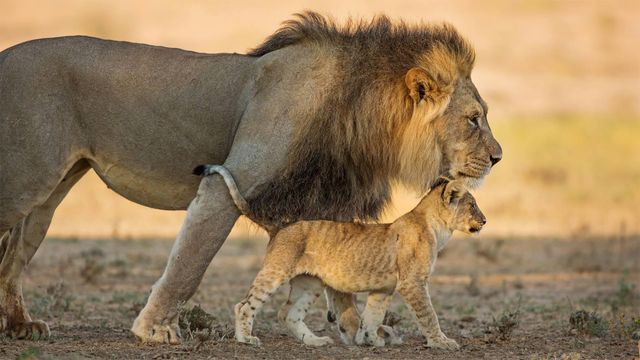 Male African lion and cub in Kgalagadi Transfrontier Park in southern Africa
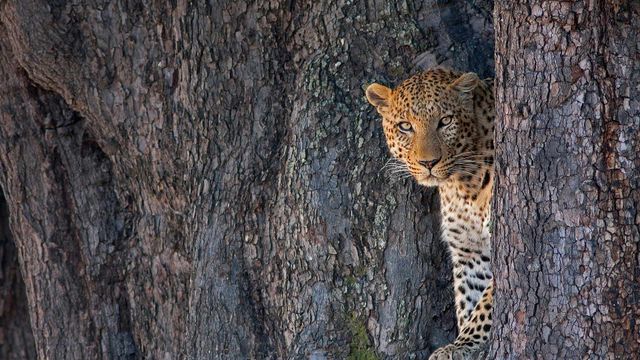 Male leopard in Linyanti Wildlife Reserve, Botswana
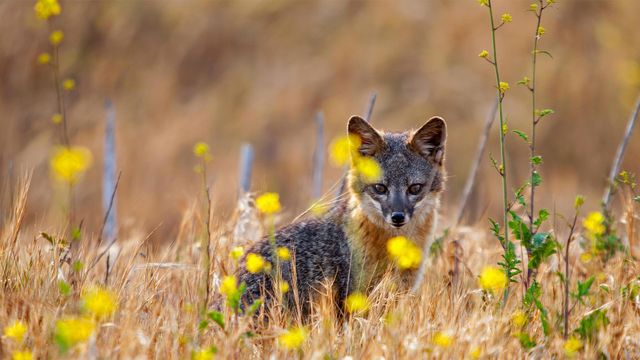 Island fox on Santa Cruz Island, Channel Islands National Park, California
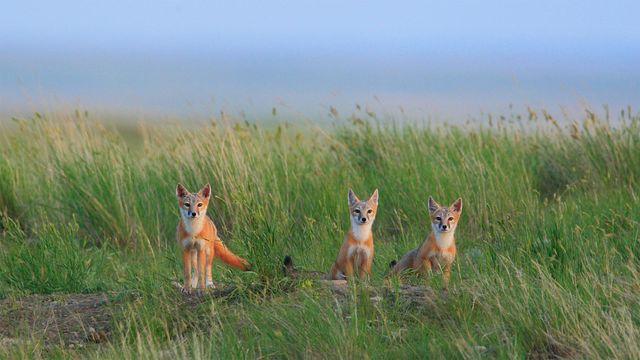 Swift fox pups in Grasslands National Park near Val Marie in Saskatchewan, Canada
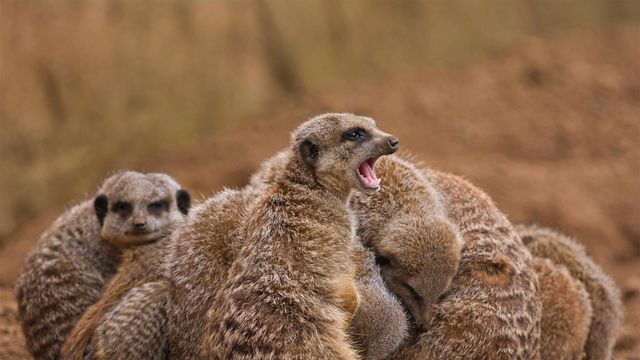 Meerkat family huddling together
Bing Today Images