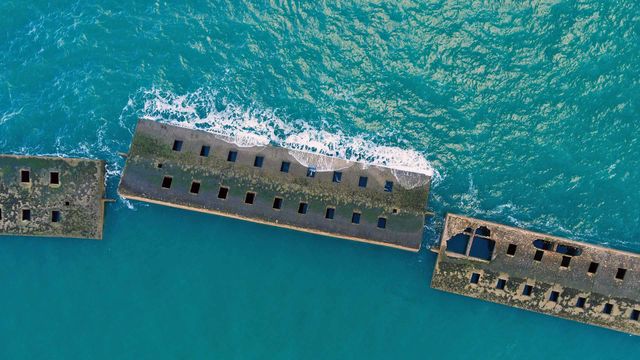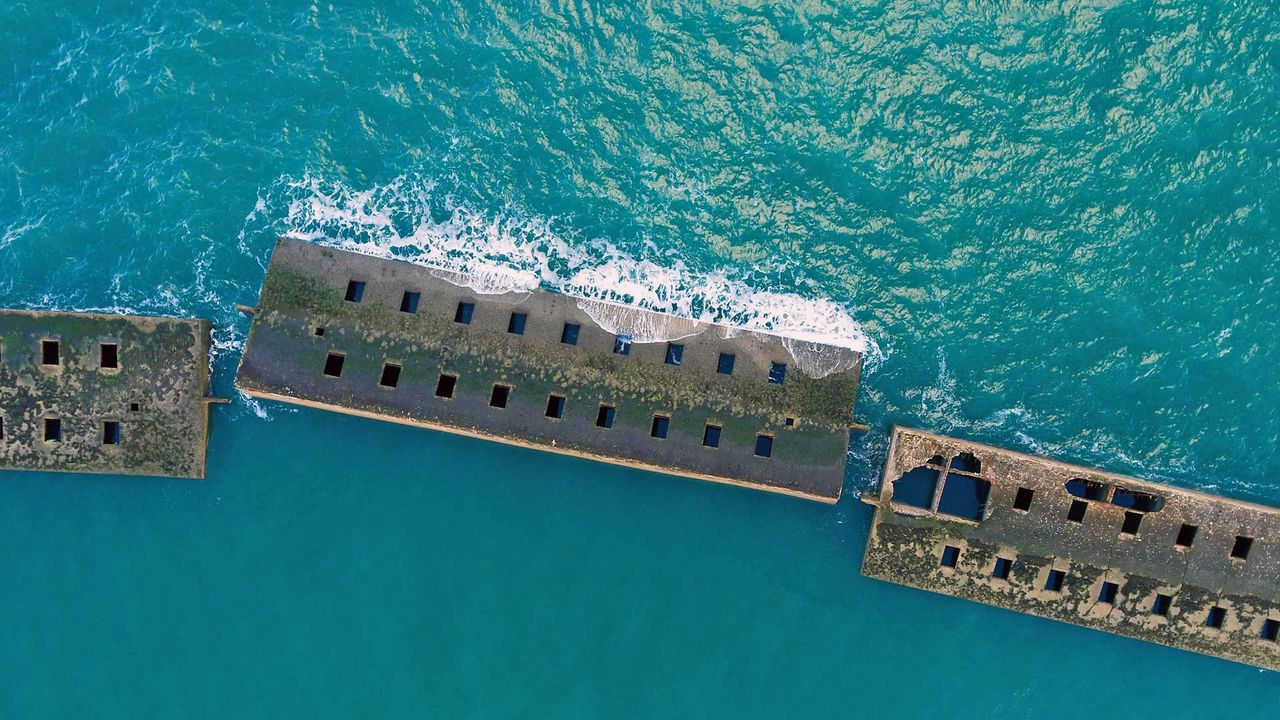
Remains of Mulberry Harbour from the D-Day invasion, Arromanches les Bains, Normandy, France
© Javier Gil/Alam
A bulwark of liberation. Engineering an artificial harbour in Normandy
For the 75th anniversary of D-Day, the beginning of the end of WWII, we’re focusing on the remains of the Mulberry Harbours - one of the most impressive military engineering feats of the war. Knowing that the ability to land huge numbers of men, vehicles, and supplies would be crucial to the Allies’ success of the invasion of Normandy, Winston Churchill challenged his forces to come up with an artificial harbour that could be towed into place and operational within days of the initial landings.
Over 40,000 men were involved in the creation of two harbours that were installed at Omaha and Gold beaches beginning on June 9, 1944, and which were completed just six days later. The harbours included breakwaters comprised of sunken decommissioned ships, pre-built concrete caissons, 33 jetties, and over 16 kilometres of roadways. A violent storm on June 19th destroyed the harbour at Omaha beach, but Mulberry B, at Arromanches, survived, and by the time it was abandoned six months later, it had landed 2.5 million men, 500,000 vehicles, and four million tonnes of supplies into northern France.
Related Images
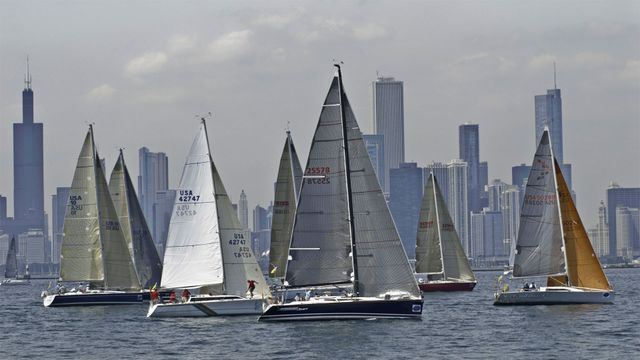 Sailors begin their journey from Chicago to Mackinac Island, Michigan during the Race to Mackinac
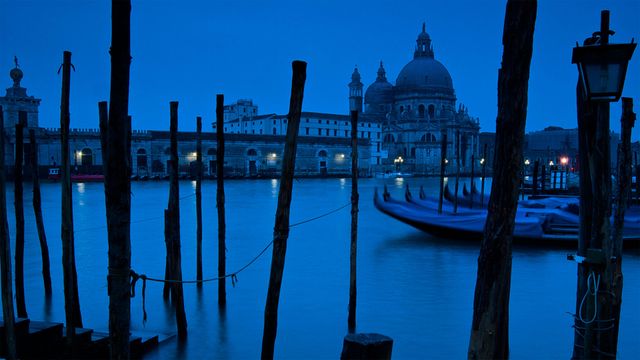 The Grand Canal and Basilica di Santa Maria della Salute in Venice, Italy
 Caribou swimming across Alaska's Kobuk River during autumn migration, USA
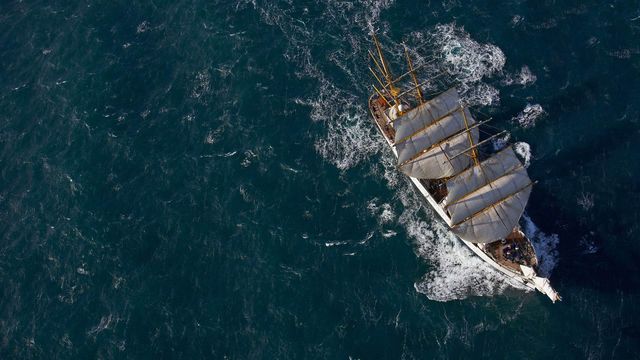 German Navy tall ship Gorch Fock in waters close to Reykjavík, Iceland
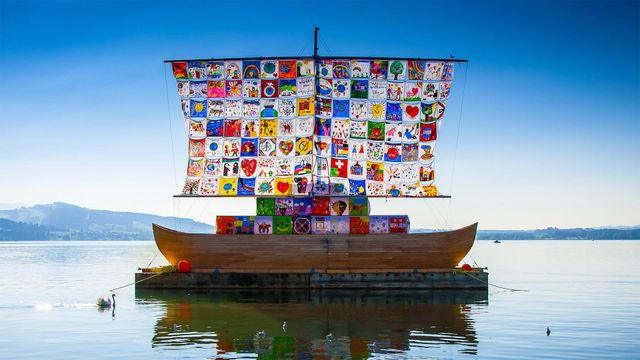 The Ship of Tolerance, an international art installation in Zug, Switzerland
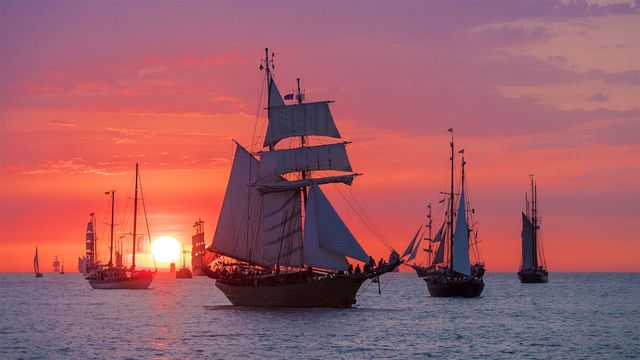 Sailboats in Warnemünde, Germany
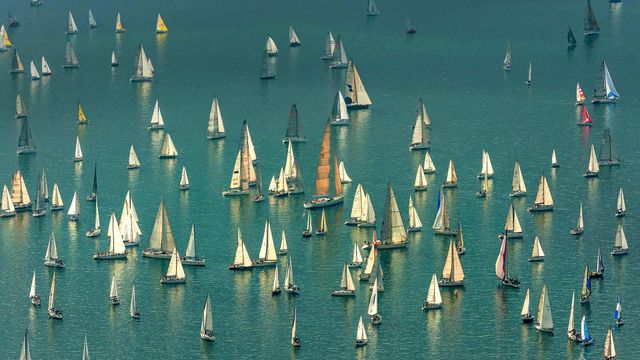 Boats massing for the Barcolana Regatta in the Gulf of Trieste, Italy
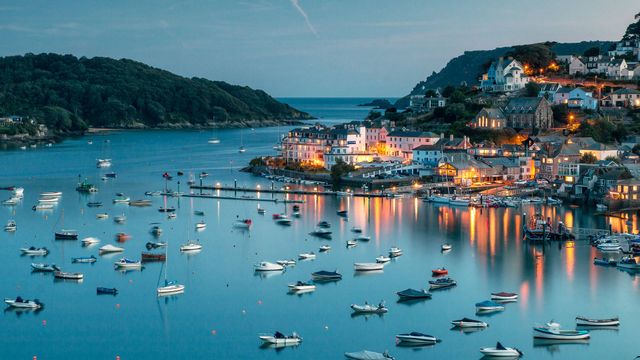 Salcombe Harbour on the south coast of Devon, England
Bing Today Images