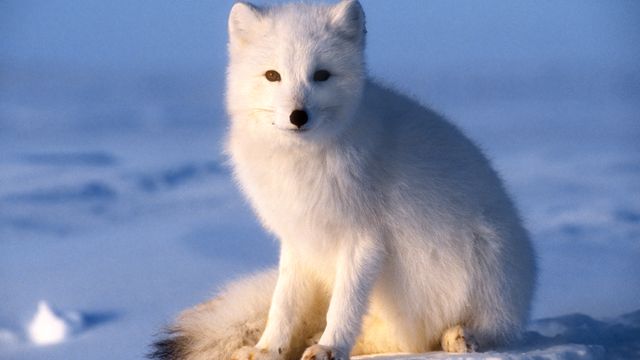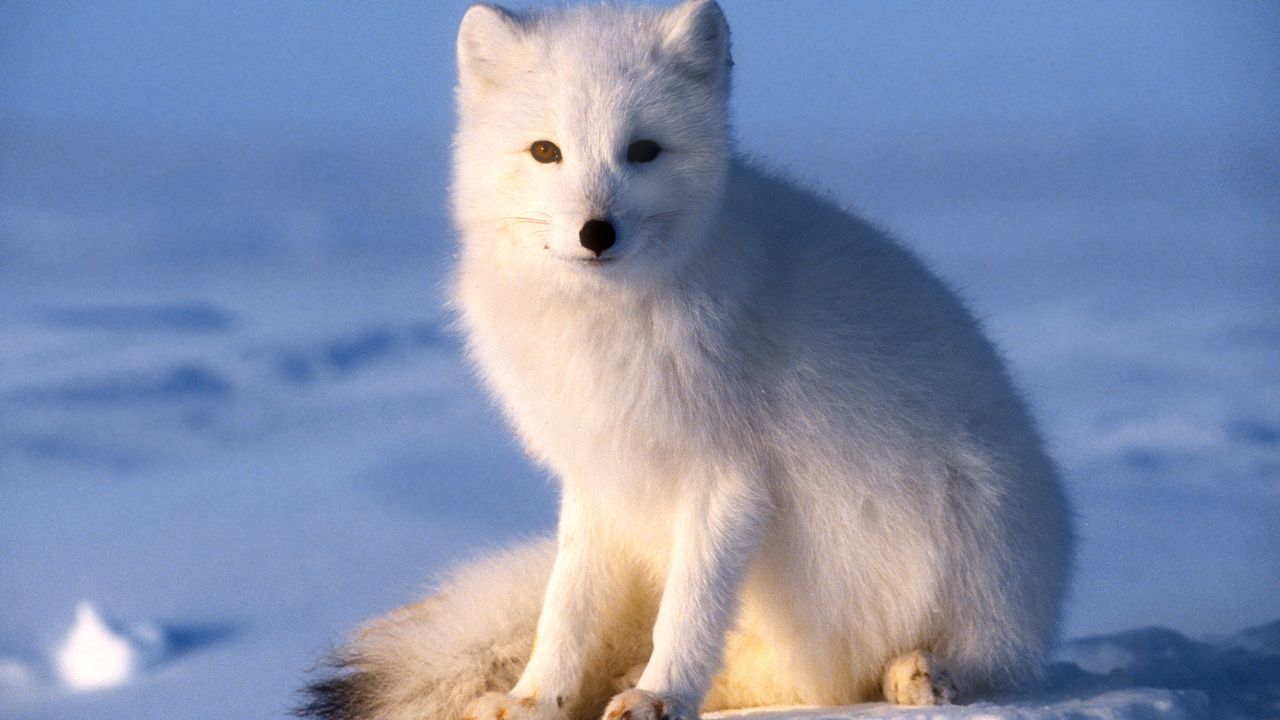
Arctic fox
© Tom Walker/Photographer's Choice RF/Getty Images
Fuzz vs. freeze
While many animals migrate or hibernate in response to winter weather, the Arctic fox does neither of these. Instead, its coat transitions from brown and gray to a snowy white every autumn. The fox's pelt acts as camouflage, allowing it to blend in among the rocks and tundra for half of the year and, after turning white, hide in the snow and ice the other half. Note the rounded ears and short muzzle—these protect the fox against frostbite. Even the pads of its paws are covered in fur, protecting it from the cold as it walks atop the snow and ice. This little fox will be able to play, hunt, and wander the snowy tundra all winter, even in temperatures as low as minus 94 degrees Fahrenheit. Stay warm, little buddy.
 Whitewashed caldera village sunset, Santorini, Greece
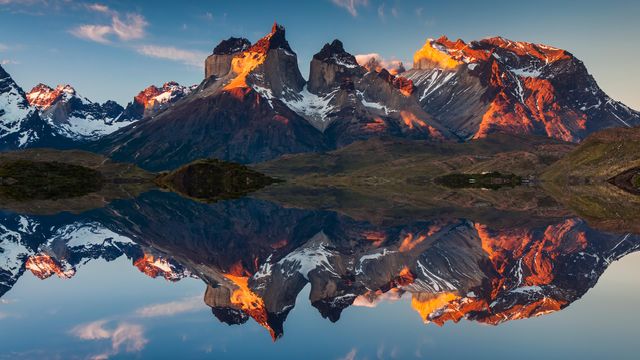 Golden Hour Cuernos del Paine Reflection Lake, Torres del Paine National Park, Chile
 Breaching whale, ocean, snow-capped mountains, glaciers
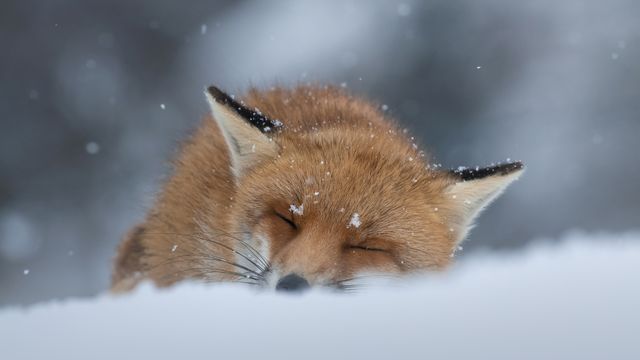 Red Fox Snoozing Snow
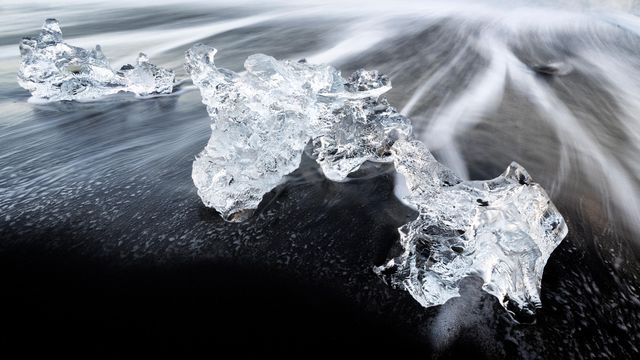 Glacial Ice Fragments on Black Sand Beach, Diamond Beach, Iceland
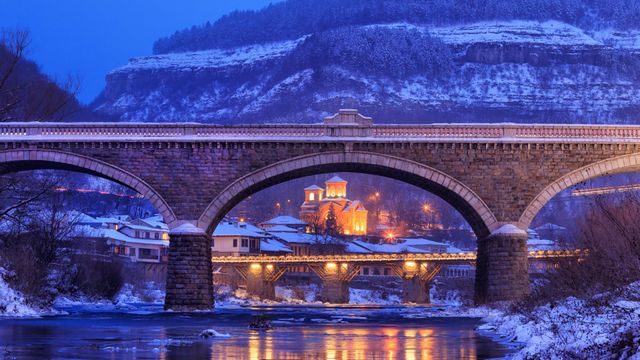 Snowy Illuminated Vladishki Most Stone Arch Bridge, Veliko Tarnovo, Bulgaria
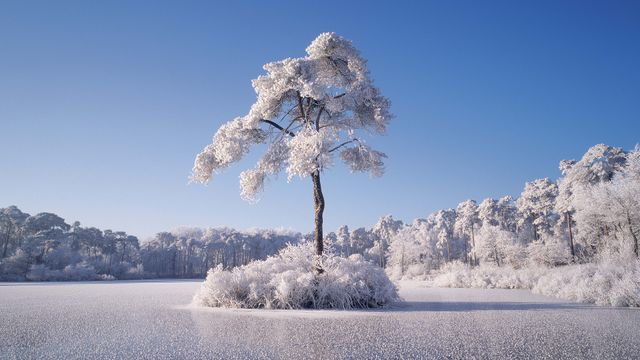 Hoarfrost tree, frozen lake, winter forest
 Sailing red sailboat, blue ice arch, icebergs