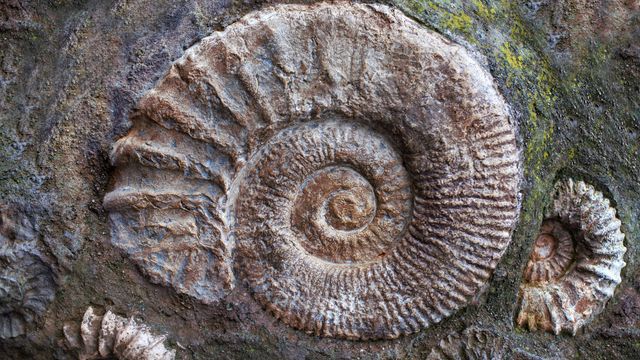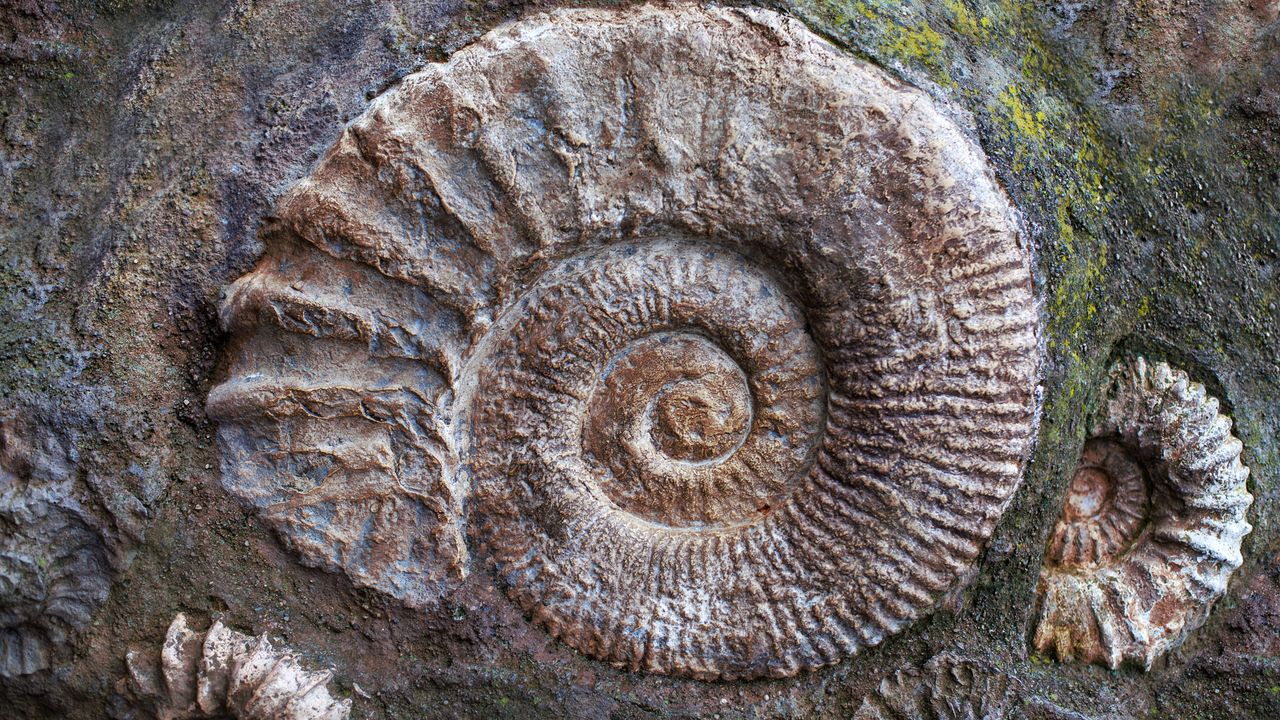
Ammonite fossils from the Jurassic Period
© J Nemchinova/Getty Image
Spirals through time. Ammonite fossils from the Jurassic Period
How do we know what Earth looked like long before humans appeared? Fossils provide many clues. From dinosaurs to tiny marine organisms, these remnants of the past preserve snapshots of ancient worlds that no longer exist.
The coiled shells in today's image are the remains of ammonites from the Jurassic Period, when dinosaurs dominated the land and ancient seas teemed with marine life. Though they resembled modern nautiluses, ammonites were more closely related to squid and octopuses. Their chambered shells formed the distinctive spirals that make them some of the world's most recognisable fossils.
Ammonites disappeared alongside the non-avian dinosaurs about 66 million years ago, but they remain invaluable to scientists. Their widespread presence helps researchers date ancient rocks and understand prehistoric seas. Preserved in stone, these shells offer a window into a vanished world.
Related Images
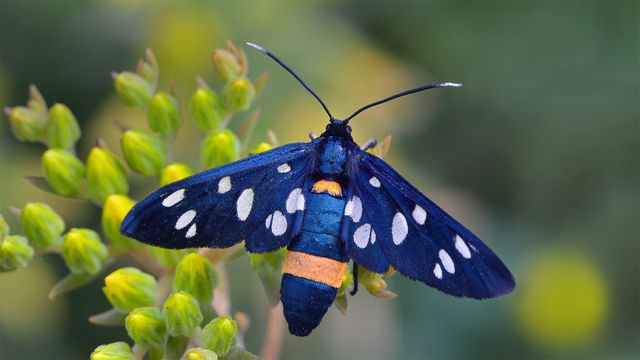 Nine-spotted moth in Switzerland
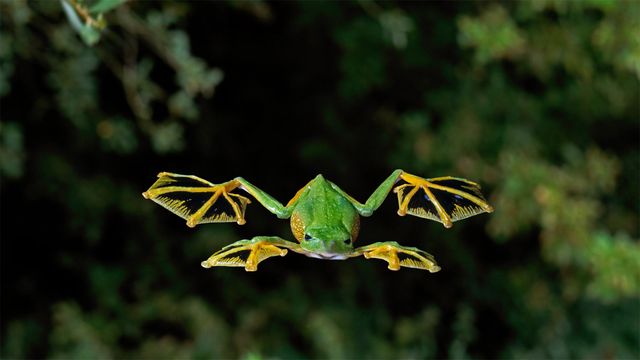 A Wallace's flying frog glides to the forest floor
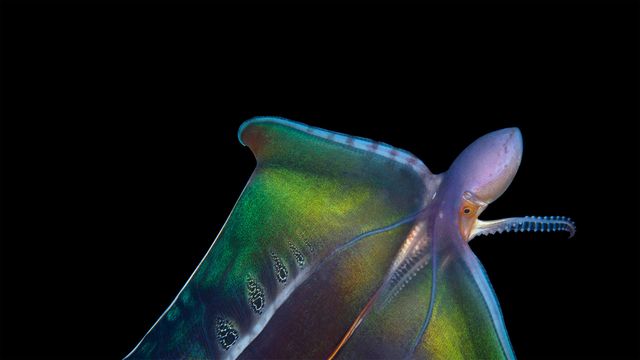 Blanket octopus in Palm Beach, Florida, USA
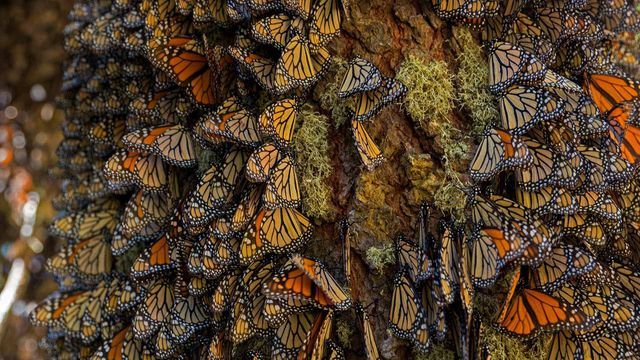 Monarch butterflies wintering in Michoacán, Mexico
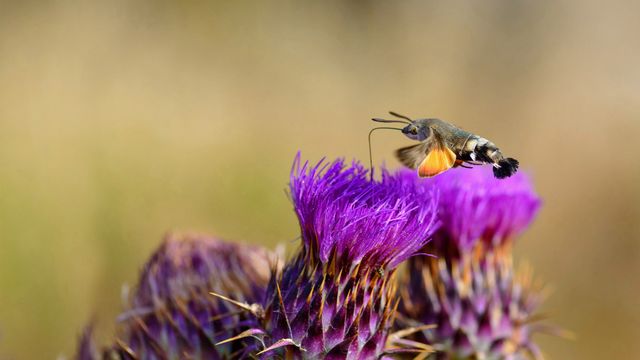 Hummingbird hawk-moth feeding on flower, Sardinia, Italy
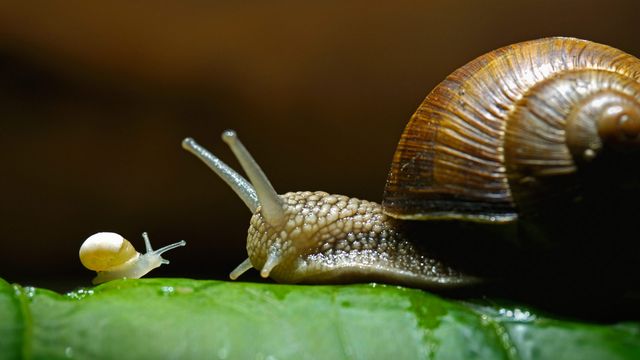 Burgundy snails, also called edible snails
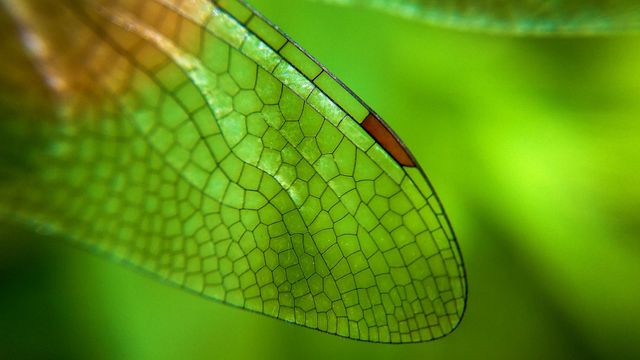 Close-up of a dragonfly wing
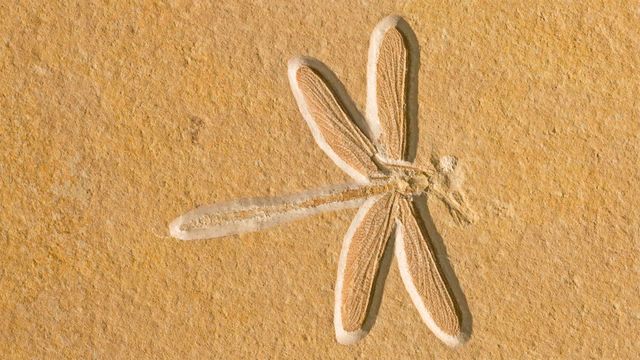 Dragonfly fossil, about 150 million years old, in Solnhofen, Bavaria, Germany
Bing Today Images