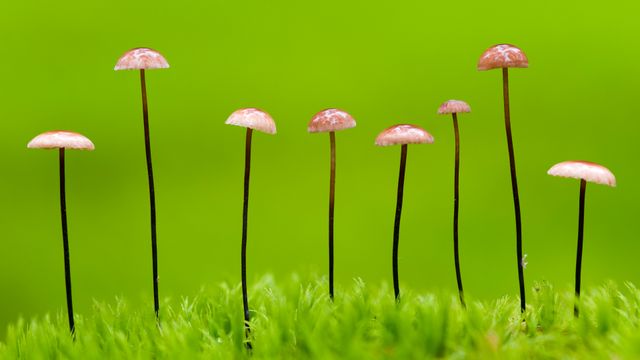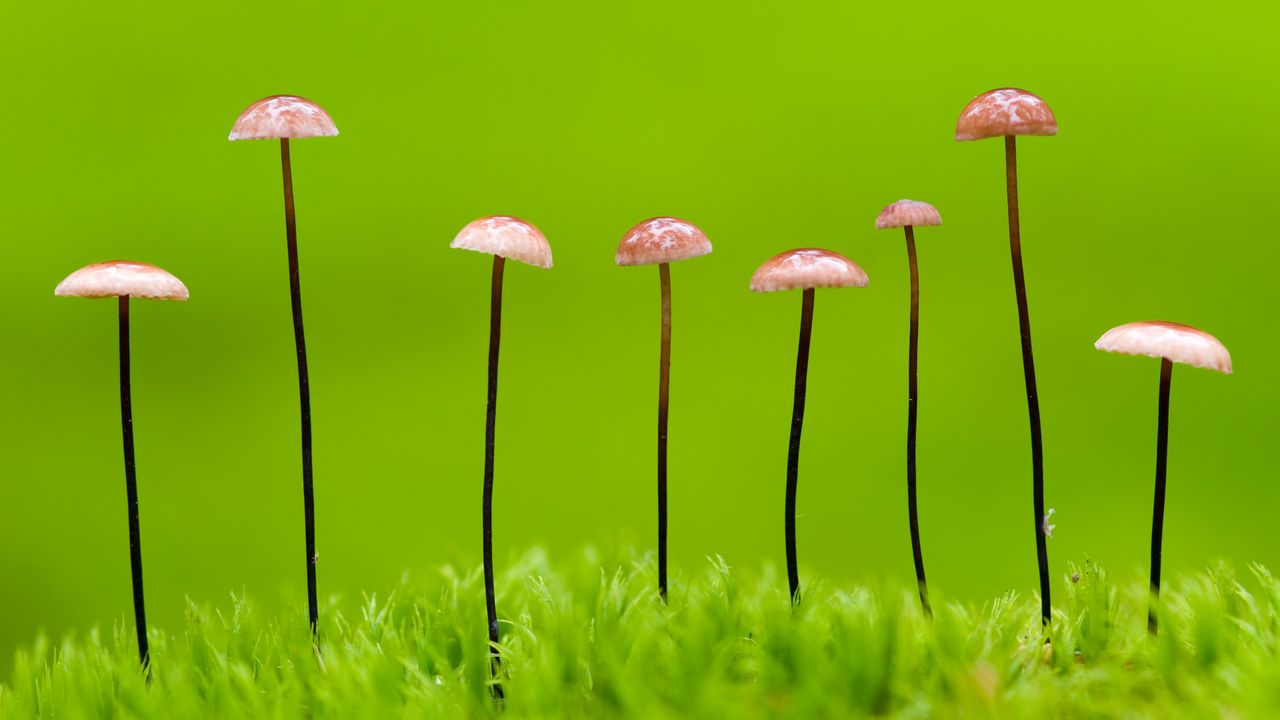
Horsehair parachute fungus, Belarus
© Máté/Nature Picture Librar
Horsehair parachute fungus, Belarus
Fungi often go unnoticed beneath forest floors, lawns and fallen leaves, yet their underground threads help recycle nutrients and support healthy ecosystems. The mushrooms we see are only the fruiting bodies of much larger organisms. They appear briefly, release spores, then disappear from sight. Unlike plants, fungi belong to a kingdom of their own. Some species even glow, while others form partnerships with trees.
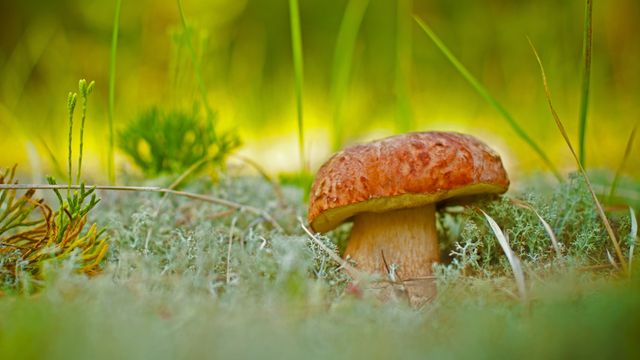
Today's image shows horsehair parachute fungi, tiny woodland mushrooms that reward careful observation. They usually grow on fallen pine needles, conifer litter and other decaying plant material. The pale caps resemble miniature umbrellas. Each cap sits on a remarkably thin, dark stem, and although the stems look fragile, they are surprisingly tough and flexible. Many fruiting bodies are only a few millimetres wide. You may not notice them until you kneel down and examine the forest floor closely. From sustaining woodland ecosystems to enriching our plates, fungi prove that even the smallest structures can have an outsized impact.
Related Images
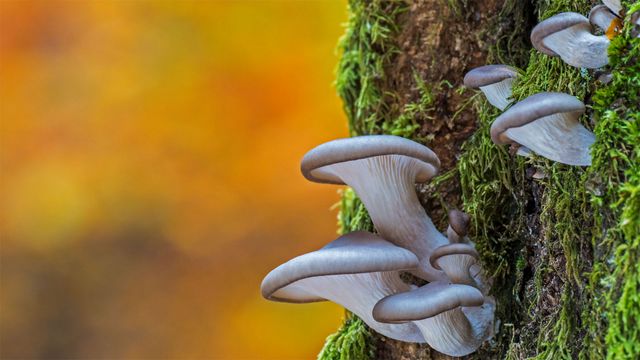 Oyster mushrooms in Belgium
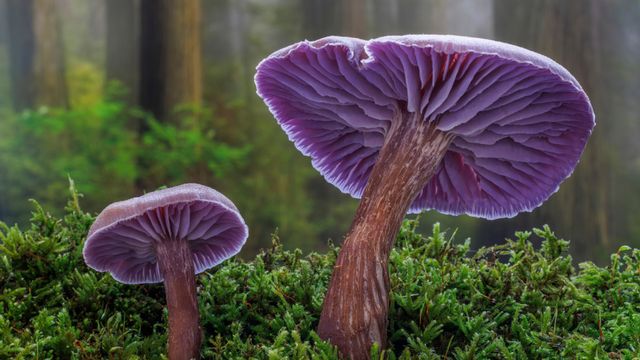 Amethyst laccaria mushrooms, Seabeck, Washington, United States
Bing Today Images