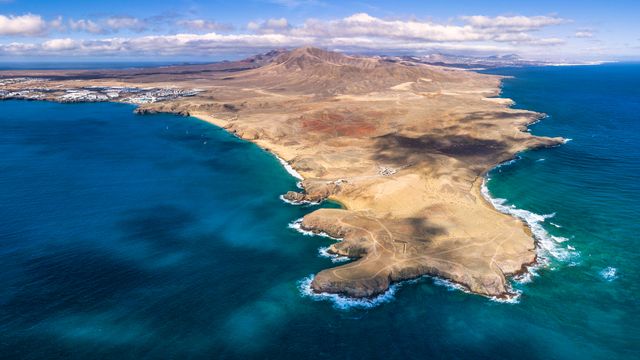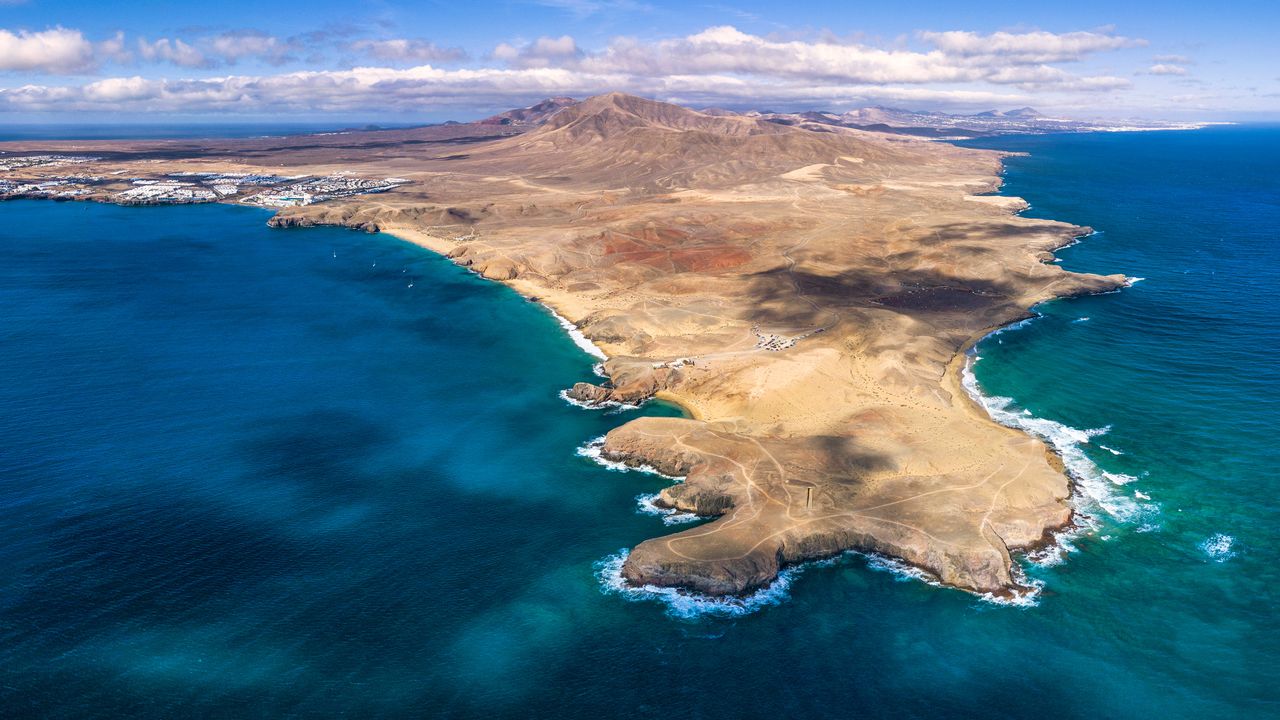
Papagayo Beach, Lanzarote, Canary Islands, Spain
© Gavin Hellier/Getty Image
Volcanic veneer. Papagayo Beach, Lanzarote, Canary Islands, Spain
A beach born from fire rarely does so subtly, yet Papagayo Beach manages exactly that. The shoreline we see today rests on the southern edge of Lanzarote, one of Spain's Canary Islands. Tropical fantasy? More like volcanic precision. Millions of years ago, this land rose in successive layers of basalt and ash thrust upward by submarine eruptions.
About 120 metres long, the cove feels intimate. Nestled within Los Ajaches Natural Monument, it remains protected and deliberately low-key. Once, it sheltered sailors navigating between Africa and Europe. Today, it is reached by foot, boat or a famously bumpy dirt road—preservation by inconvenience. Cliffs arc around the bay, forming natural breakwaters that temper the Atlantic into calm, clear shallows. Fish flicker through the light, crabs patrol the tidal edges and octopuses vanish into stone. The sand's warm, golden tone? Pulverised shells mixed with volcanic rock, refined by millennia of tides. Papagayo's power lies in its contrasts: forged by eruption, shaped by erosion and preserved by restraint.
Related Images
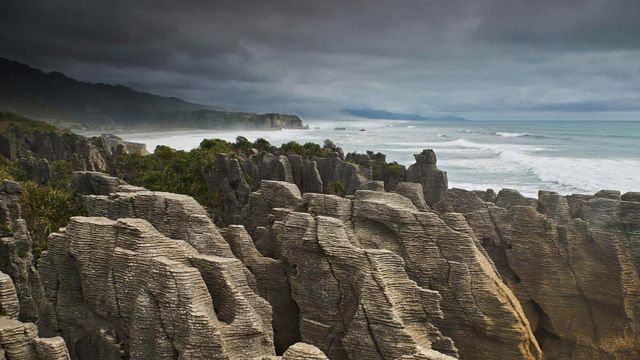 For Waitangi Day, the Pancake Rocks on New Zealand’s South Island
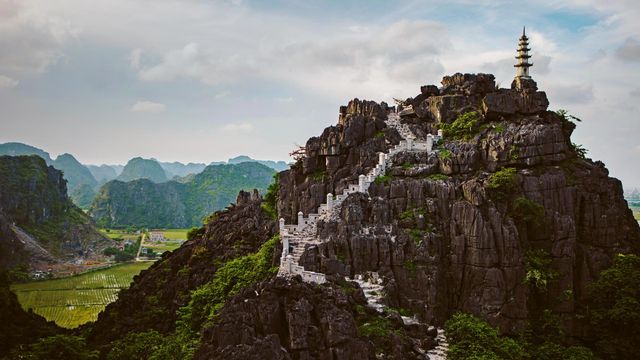 Mua Caves in the Ninh Bình province of Vietnam
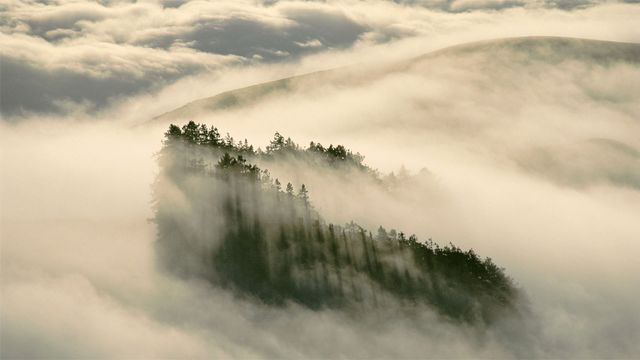 Coast redwoods in Henry Cowell Redwoods State Park, California
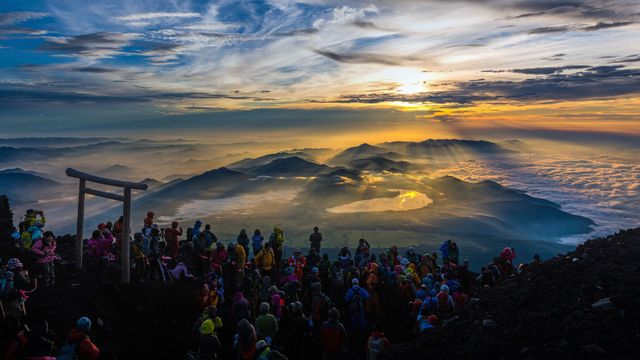 At the top of Mount Fuji in Japan. Happy New Year!
 Mount Rainier National Park in Washington state, USA
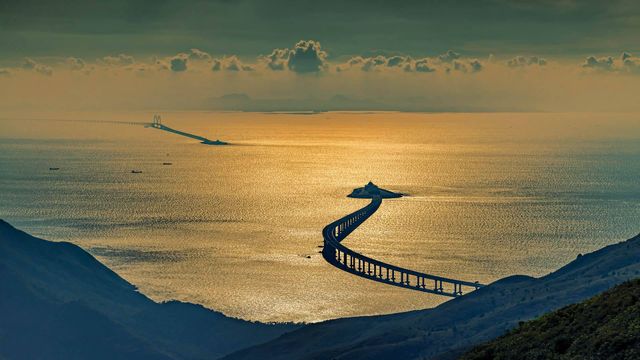 Hong Kong-Zhuhai-Macau Bridge, China
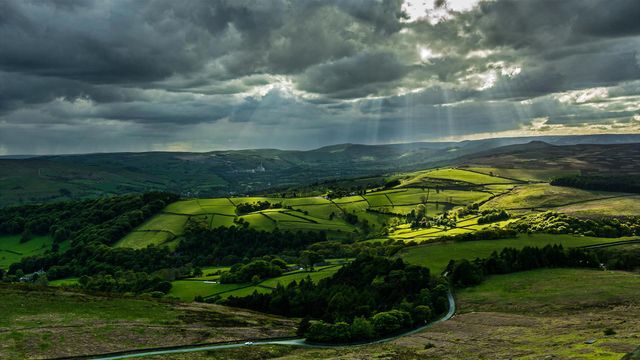 Hope Valley, Peak District, England
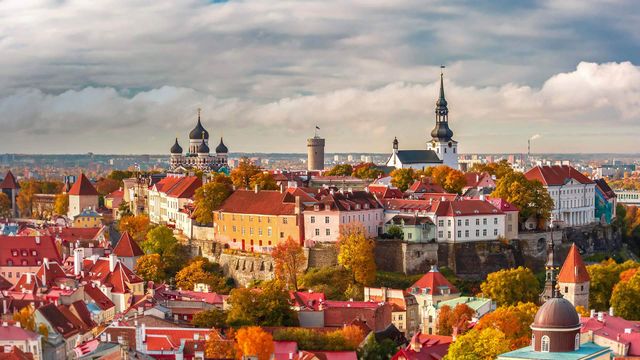 Old town of Tallinn, Estonia
Bing Today Images