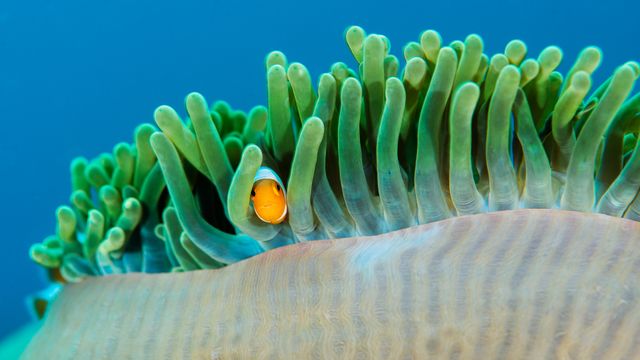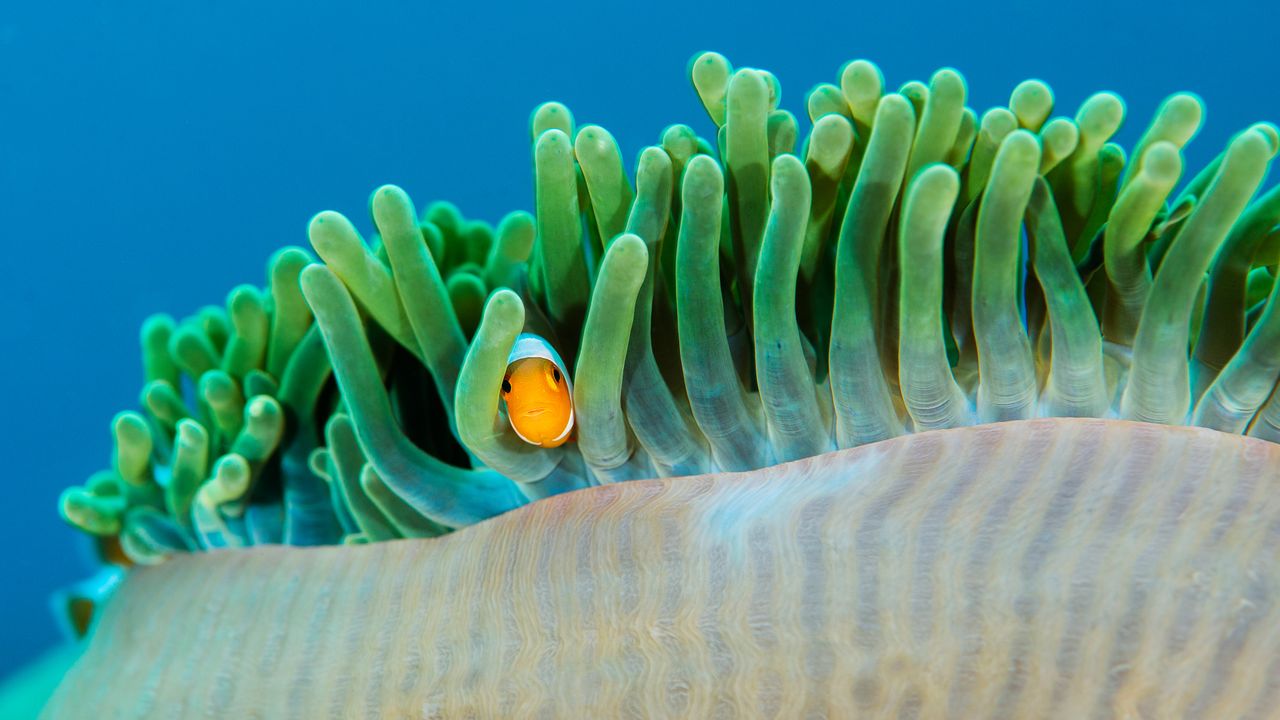
Common clownfish in a sea anemone, Raja Ampat Islands, Indonesia
© Magnus Lundgren/Nature Picture Librar
Reefside roommates. Common clownfish in a sea anemone, Raja Ampat Islands, Indonesia
Sea anemones may look like underwater flowers, but they're actually animals—close relatives of jellyfish and corals. Anchored to rocks or reefs, they use a sticky base and a crown of waving tentacles armed with tiny stingers to capture passing prey. Those stings can paralyse small fish, yet one famous neighbour is immune.
In the image, a common clownfish peeks out from its sea anemone home in Indonesia's Raja Ampat Islands, a remote archipelago at the heart of the Coral Triangle, known for extraordinary marine diversity. The clownfish's special mucus coating protects it from harm, allowing it to shelter safely among the tentacles. In return, the fish helps deter predators and drops food scraps the anemone can eat.
In the reefs of Raja Ampat, moments like this play out everywhere—quiet alliances that keep the waters humming with life.
Related Images
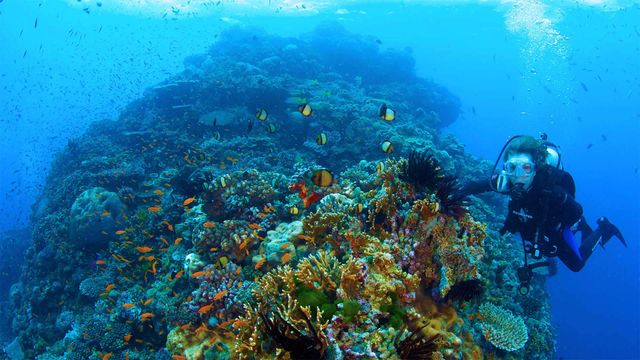 Dr. Sylvia Earle explores the Great Barrier Reef in a scene from 'Mission Blue'
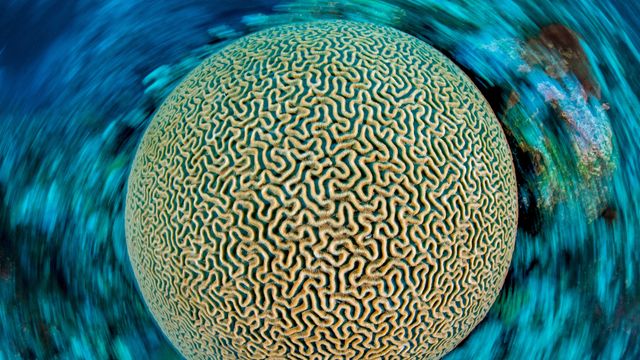 Symmetrical brain coral on a reef in the Caribbean Sea near Grand Cayman, Cayman Islands
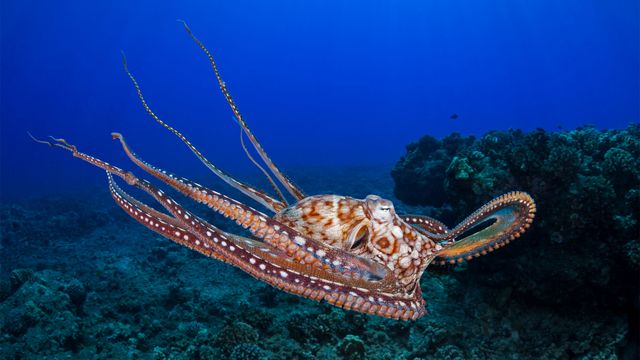 Day octopus, Maui, Hawaii, United States
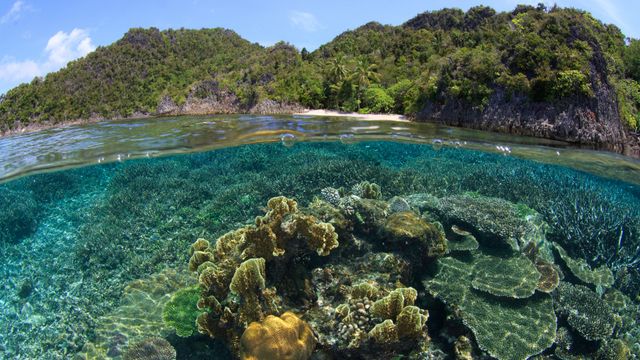 Coral reef and beach in Raja Ampat, Indonesia
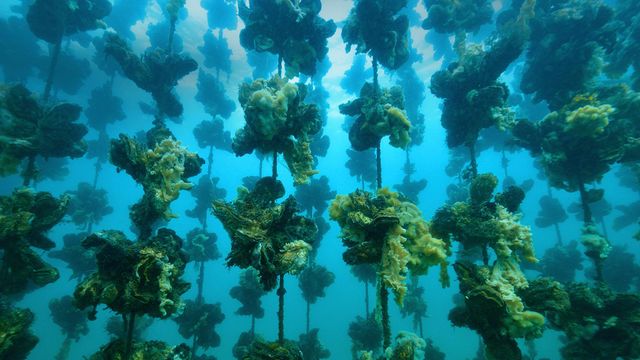 Oyster farm offshore from Notojima Island, Ishikawa Prefecture, Japan
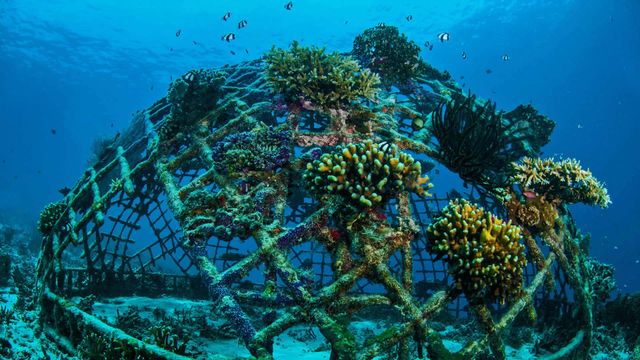 Biorocks growing coral off the Gili Islands, Indonesia
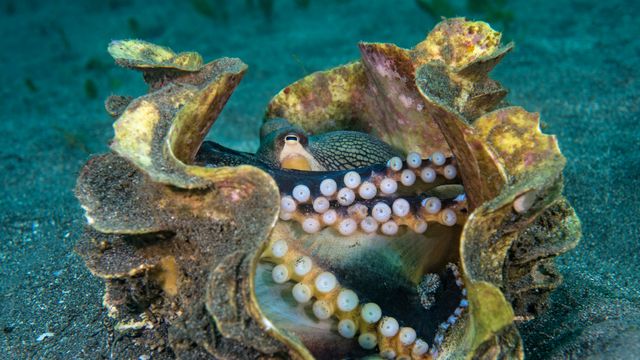 Veined octopus in a giant clam shell, Sulawesi Sea, Indonesia
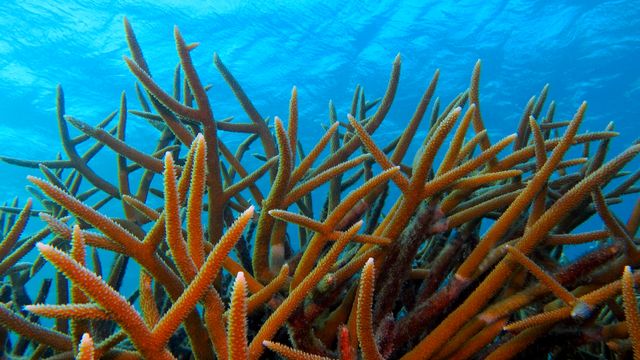 Staghorn coral in shallow ocean
Bing Today Images