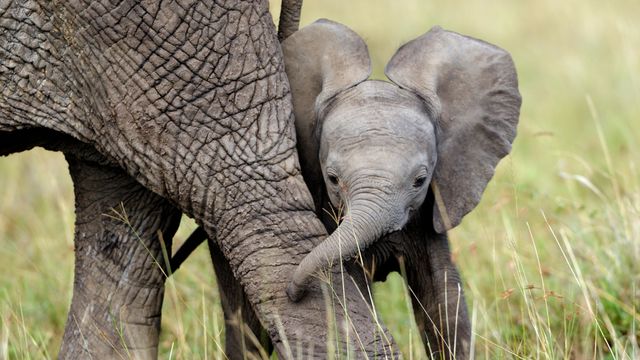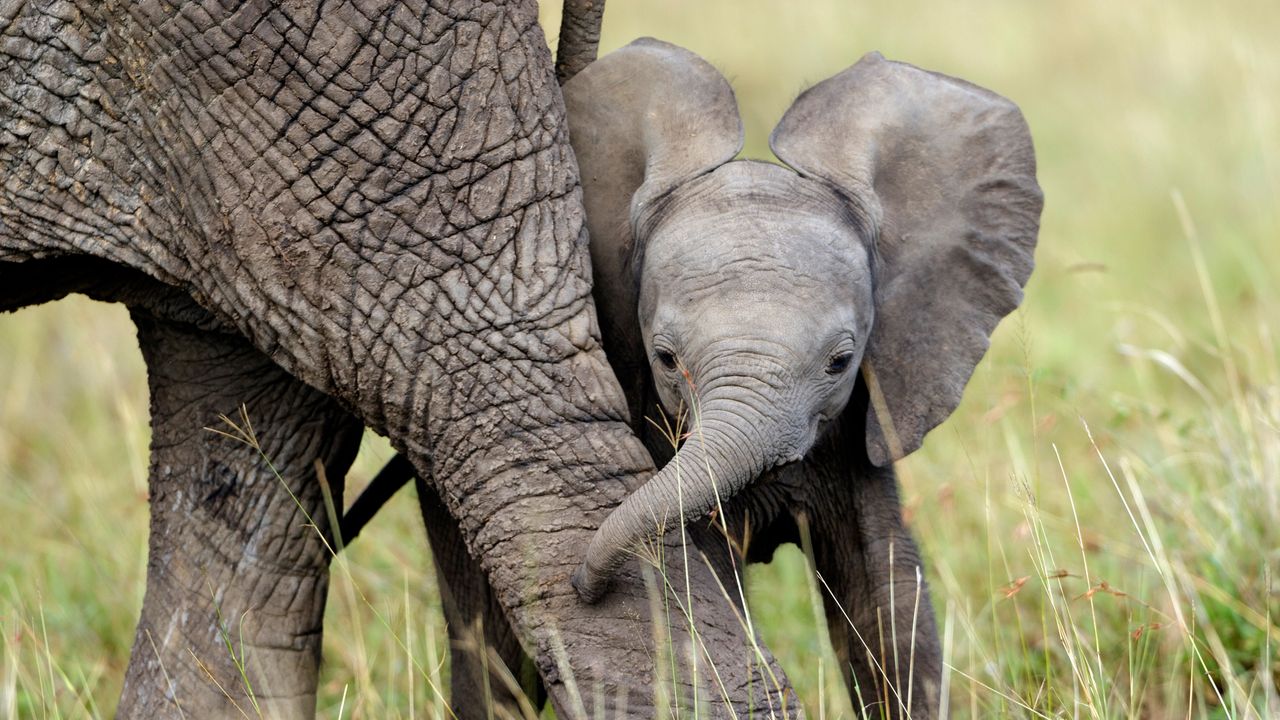
African elephant calf playing with its mother, Masai Mara National Reserve, Kenya
© Denis-Huot/naturepl.co
Guardians of the wild. World Wildlife Day
Today is World Wildlife Day, a United Nations observance that invites us to reflect on our well-being's deep connection to the natural world. This year's theme focuses on medicinal and aromatic plants (MAPs)—species used in traditional healing, modern medicine, cosmetics, and food. The UN estimates that between 50,000 and 70,000 MAP species are harvested globally, with 70-95% of people in many developing countries relying on them for primary health care. However, many of these plants face mounting threats from habitat loss, overharvesting, and illegal trade, making sustainable use essential for their future.
The featured image captures an intimate moment between an African elephant calf and its mother in Kenya's Masai Mara National Reserve. African elephants are the largest land mammals on Earth. Yet, their life begins with surprising speed: newborns can stand within 20 minutes, walk within an hour, and keep up with the herd after only two days. As they grow, they become true ecosystem engineers, dispersing seeds and shaping vegetation in ways that help plant communities—including many medicinal species—thrive. Protecting elephants and their habitats strengthens the complex network that supports wildlife and people alike.
Related Images
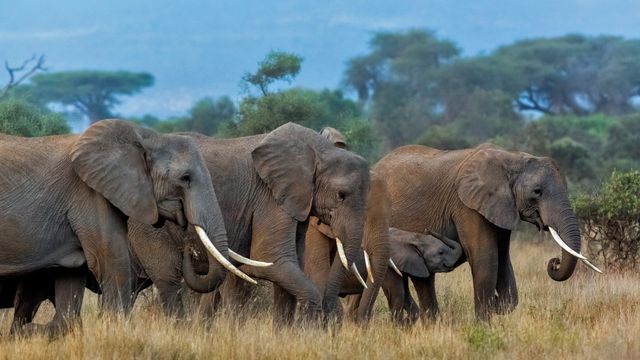 Herd of African elephants in Amboseli National Park, Kenya
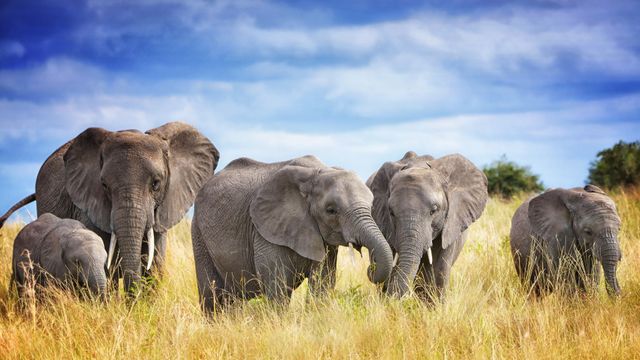 A family of African elephants in Tarangire National Park, Tanzania
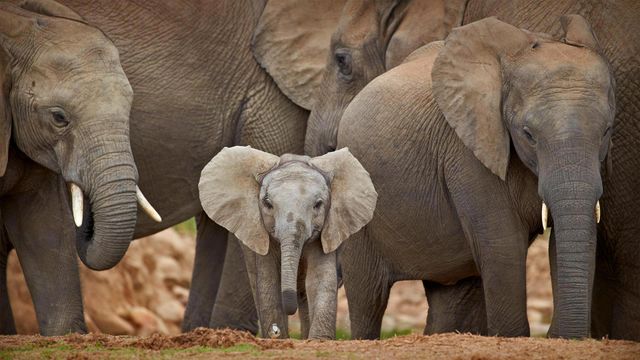 African savanna elephants in Addo Elephant National Park, South Africa
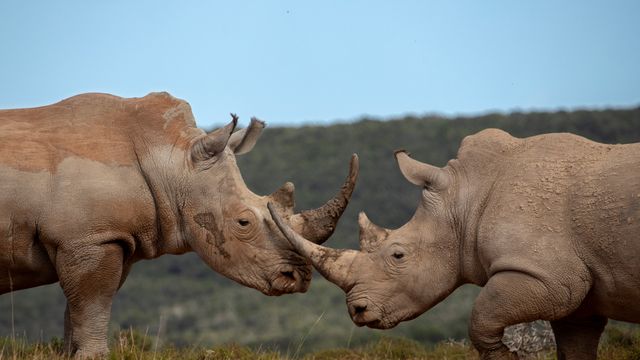 Southern white rhinoceros males, Shamwari Private Game Reserve, South Africa
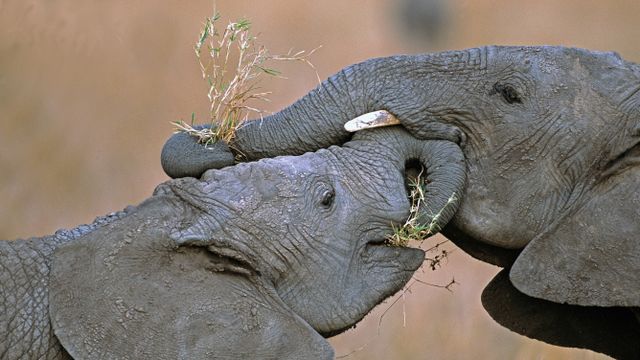 African bush elephants at Masai Mara National Reserve in Kenya
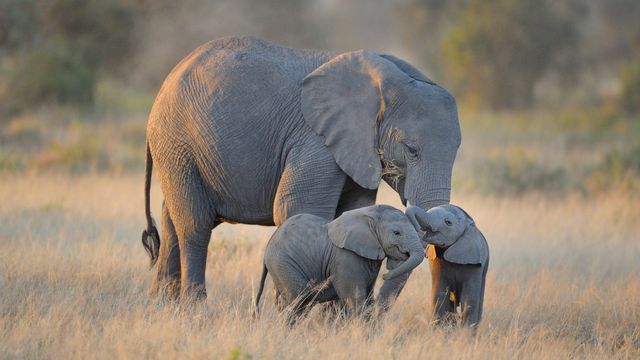 Elephant family in Amboseli National Park, Kenya
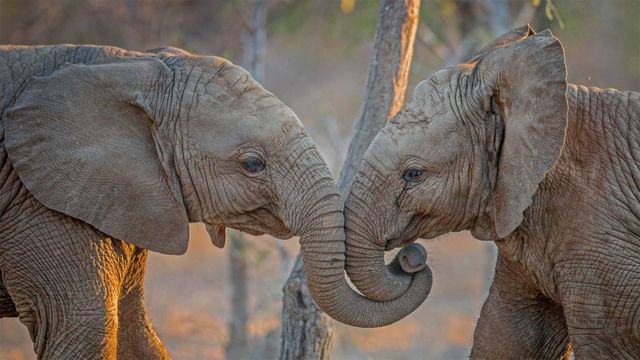 Elephants at Kapama Private Game Reserve in South Africa
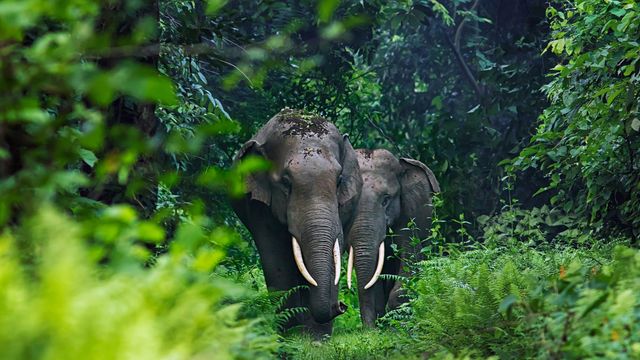 Asian elephants in West Bengal, India
Bing Today Images