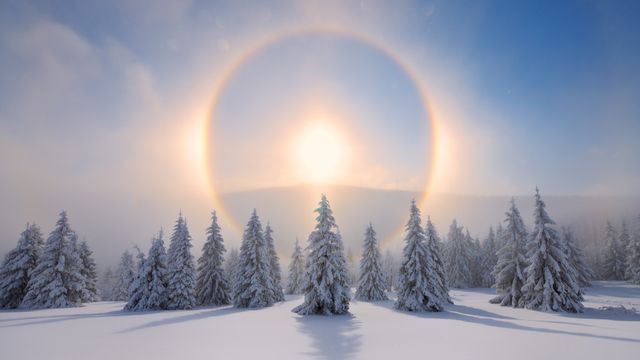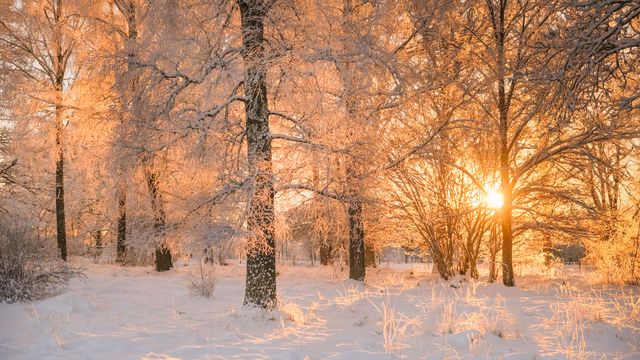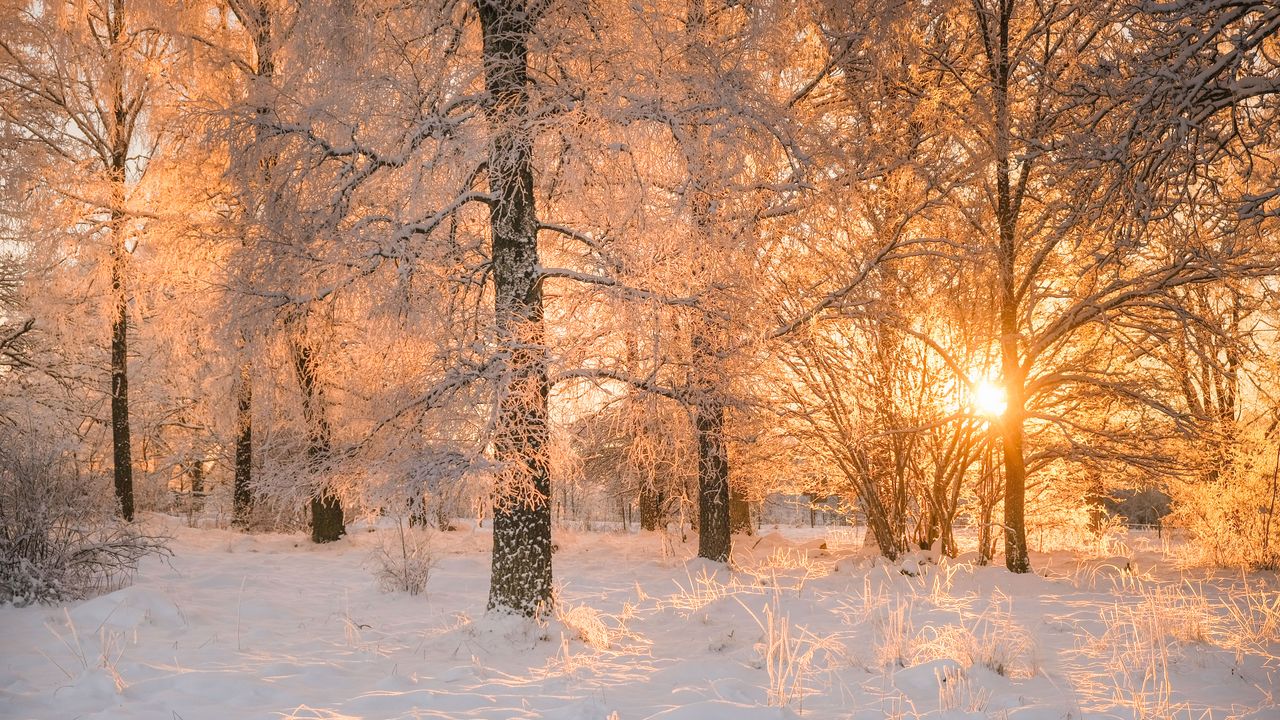
Dawn light through frosty trees, Sweden
© Schon/Getty Image
Birth of the new sun. Winter solstice
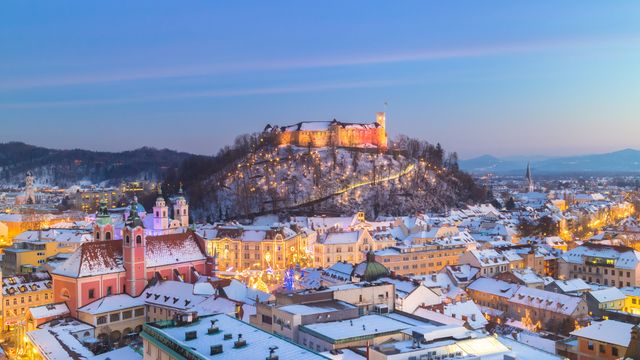
Ever felt as if the night just wouldn't end? That's the winter solstice working its magic. It is the shortest day and longest night of the year in the Northern Hemisphere, occurring around December 21 or 22. In the Southern Hemisphere, the same happens around June 21 or 22. It marks the moment when one of Earth's poles tilts farthest from the sun. From that instant, daylight slowly begins to lengthen again.
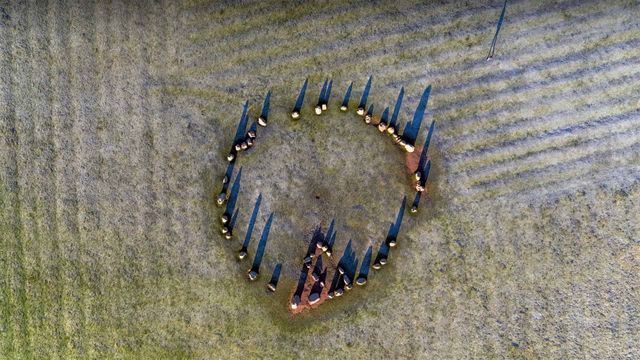
This celestial event has fascinated people since the Neolithic era. Sites like Newgrange in Ireland and Stonehenge in England were built to capture the solstice sunrise or sunset. In ancient Egypt, temples such as the Temple of Amun-Ra at Karnak and the Mortuary Temple of Hatshepsut at Luxor were aligned with it. For the ancient Romans, December 25 marked the solstice, ushering in Saturnalia, a lively festival of revelry, feasts and gifts. Across cultures, the solstice has become a celebration of light's return. In Iran, Yalda Night honours the triumph of light over darkness, while in Scandinavia, St Lucia's Day brightens winter with candlelit processions.
Though science now explains the phenomenon, its symbolism endures—a reminder that even in the darkest moment of the year, the world is already turning back toward the light.
Related Images
 Mount Rainier National Park in Washington state, USA
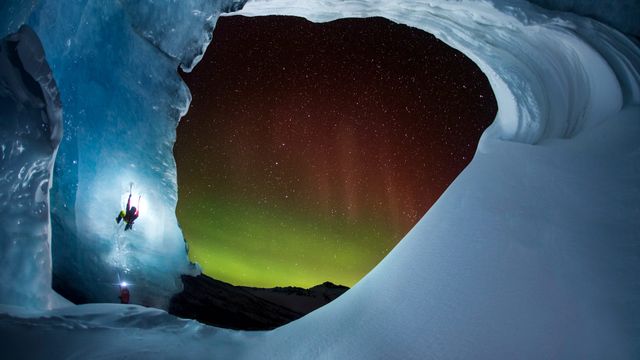 Climbing Athabasca Glacier in Jasper National Park, Alberta, Canada as the Aurora Borealis glows
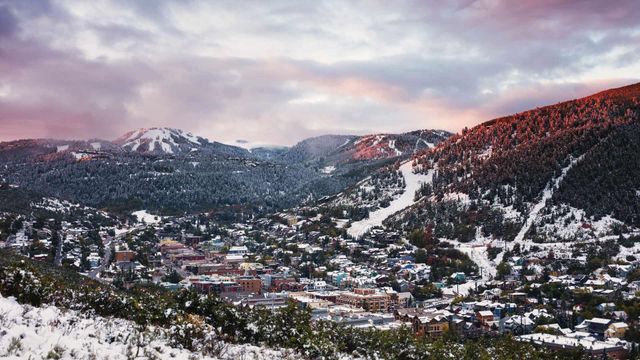 Park City, Utah, for the Sundance Film Festival, which begins today
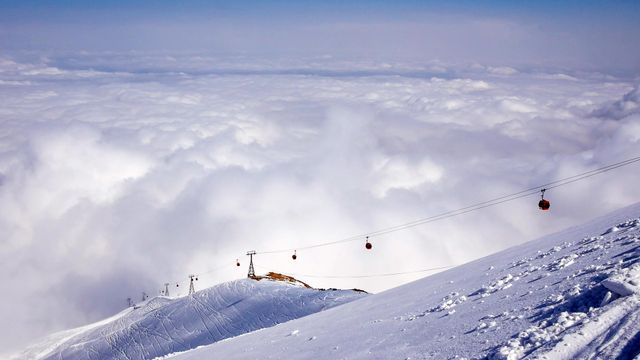 The Gulmarg cable cars in the Himalayas
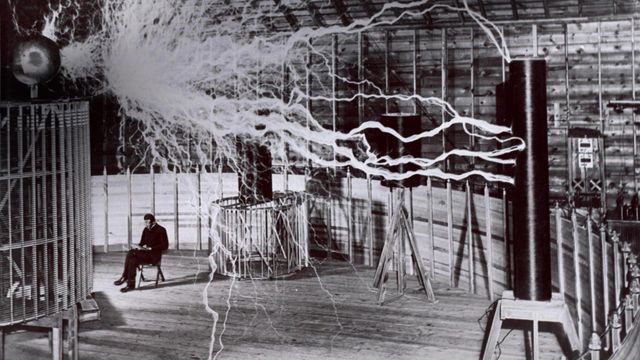 For Science Fiction Day, inventor Nikola Tesla and his ‘magnifying transmitter’
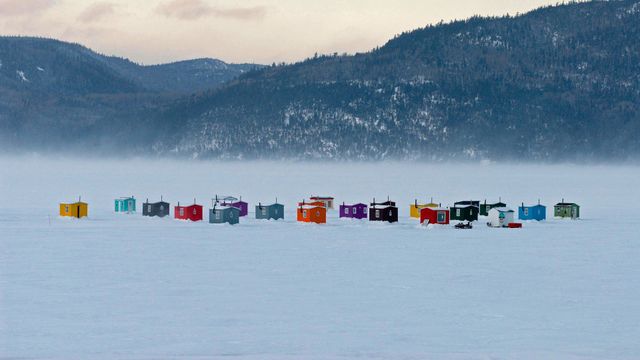 Ice-fishing village near L'Anse-Saint-Jean, Quebec, Canada
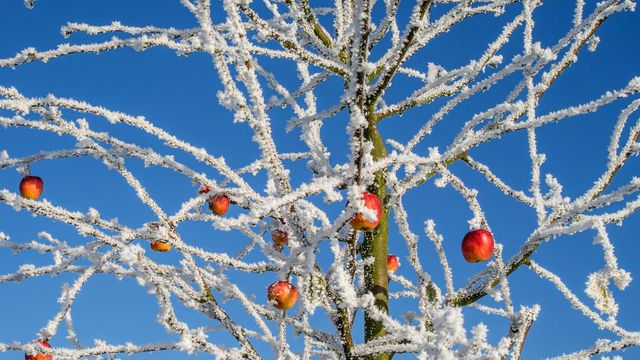 On Pie Day, an apple tree in winter
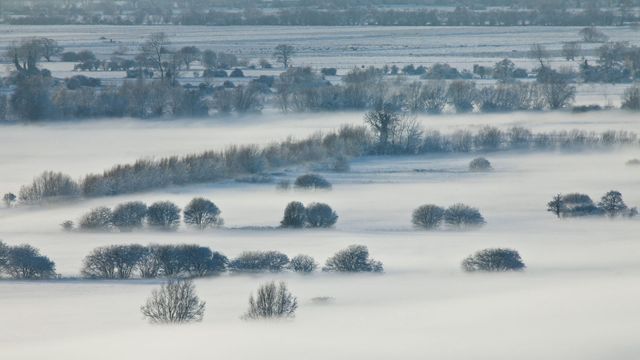 In Somerset, England, for Old Twelvey Night
Bing Today Images