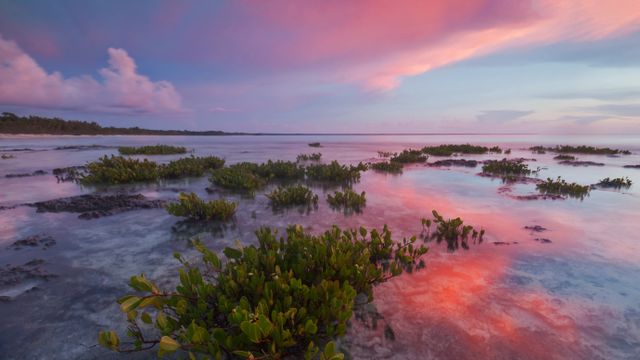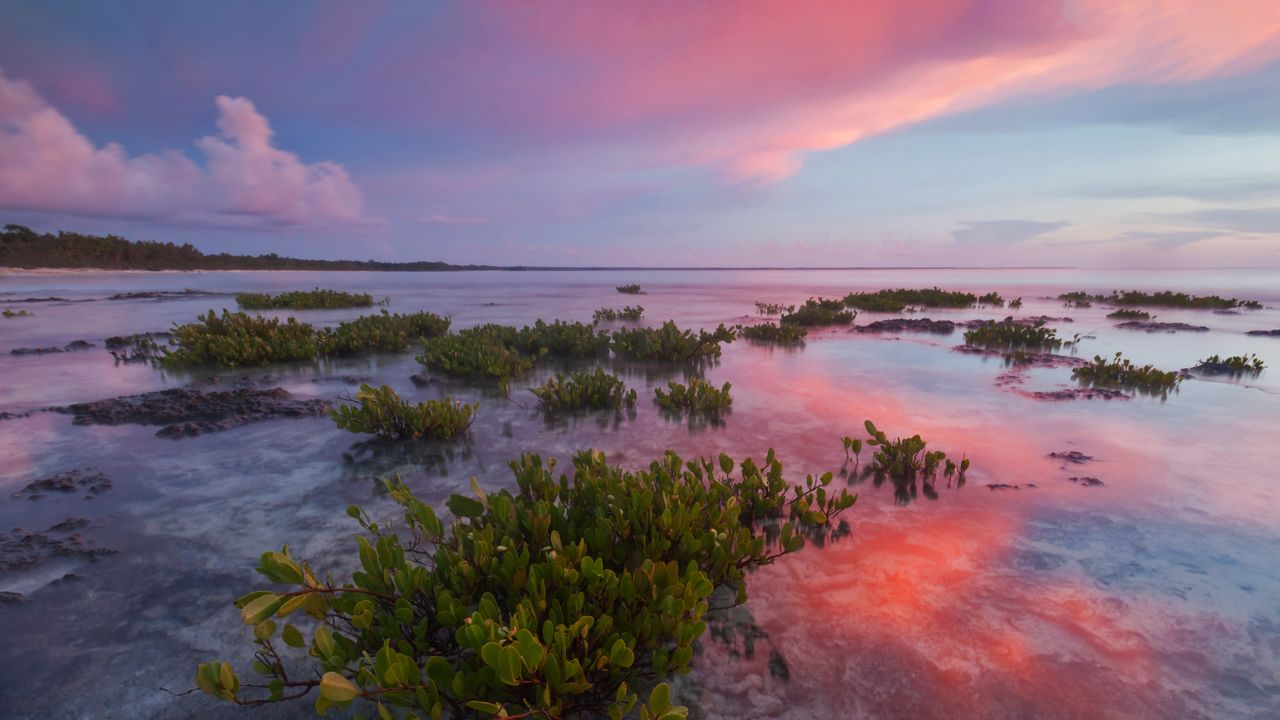
Red mangrove tree seedlings
© Claudio Contreras/Minden Picture
Guanahacabibes National Park, Cuba
Today we’re admiring red mangrove seedlings at Guanahacabibes National Park in Cuba. Mangrove forests not only protect coastlines but are a crucial component of tropical coastal ecosystems and are uniquely suited to thrive in brackish or salty water. These hardy trees can withstand the force of tremendous waves and ferocious winds, fending off the damaging effects of storms and erosion.
Below the surface they work just as hard: Their complex root systems filters out salt and provide shelter and protection for marine life, encouraging biodiversity. Here in Guanahacabibes, that marine life includes several species of turtles as well as red swamp crayfish and a slew of reptiles and amphibians.
Another reason to give credit to the mighty mangroves? They capture up to 10 times more carbon dioxide from the atmosphere than tropical forests do. They're also incredible carbon sinks, storing much more carbon in their roots than their terrestrial counterparts.
Related Images
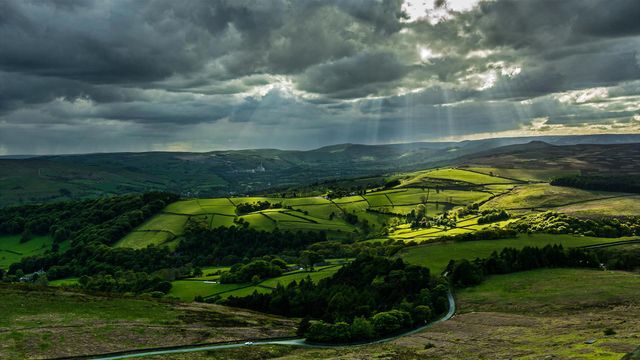 Hope Valley, Peak District, England
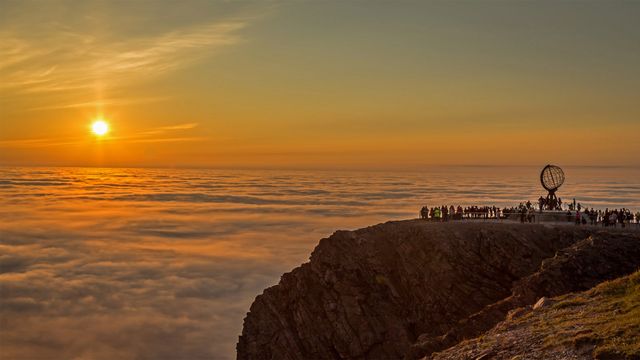 Midnight sun at North Cape, Norway
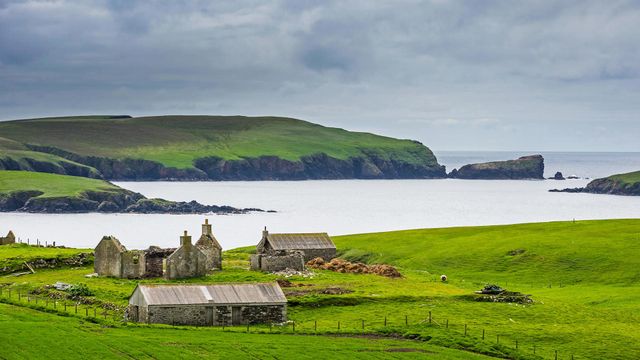 An old farm in the Shetland Islands, Scotland
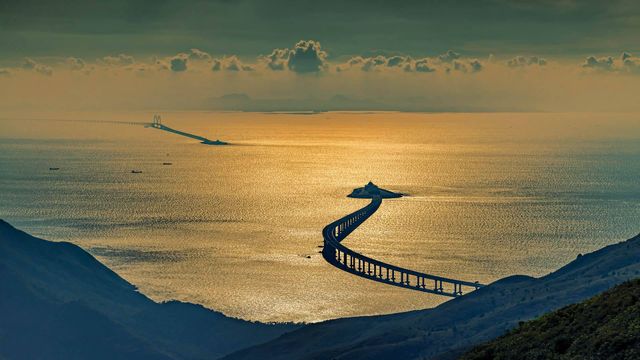 Hong Kong-Zhuhai-Macau Bridge, China
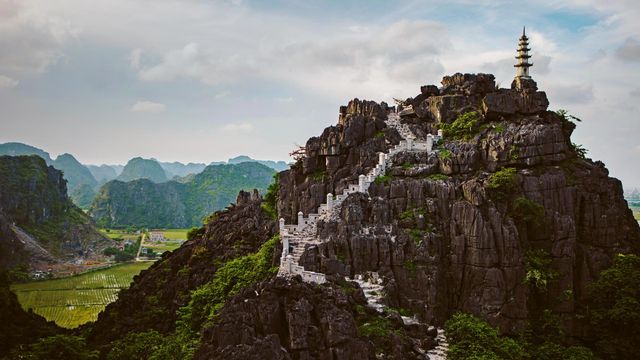 Mua Caves in the Ninh Bình province of Vietnam
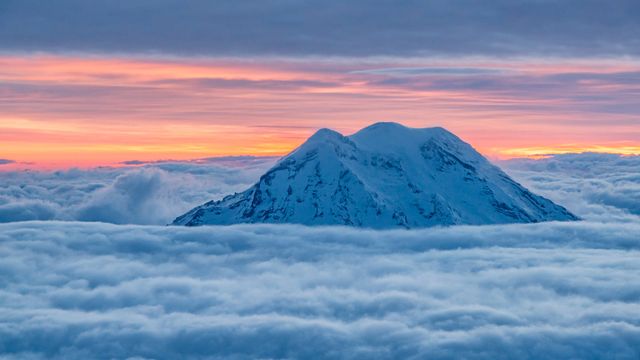 Mount Rainier National Park in Washington state
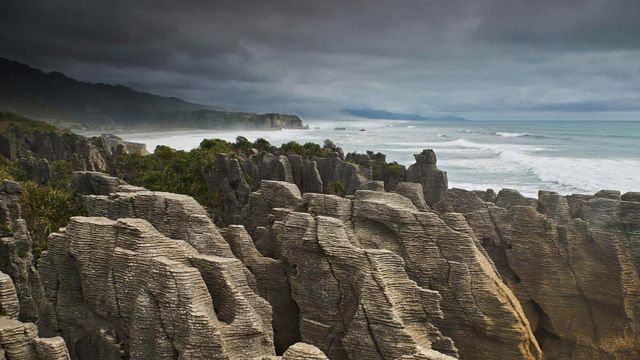 For Waitangi Day, the Pancake Rocks on New Zealand’s South Island
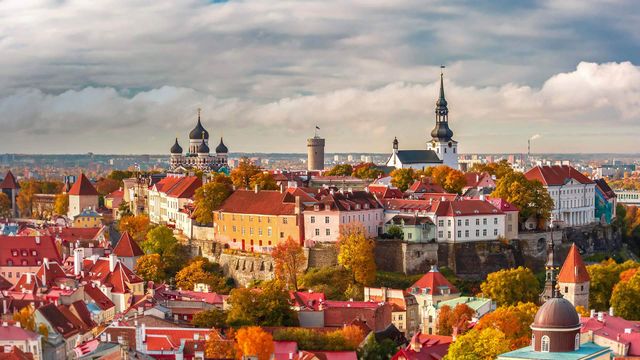 Old Town of Tallinn, Estonia
Bing Today Images