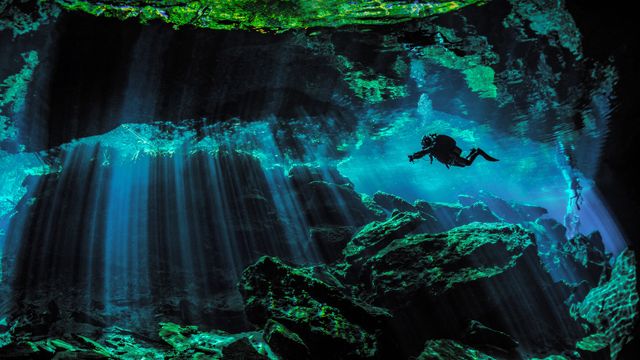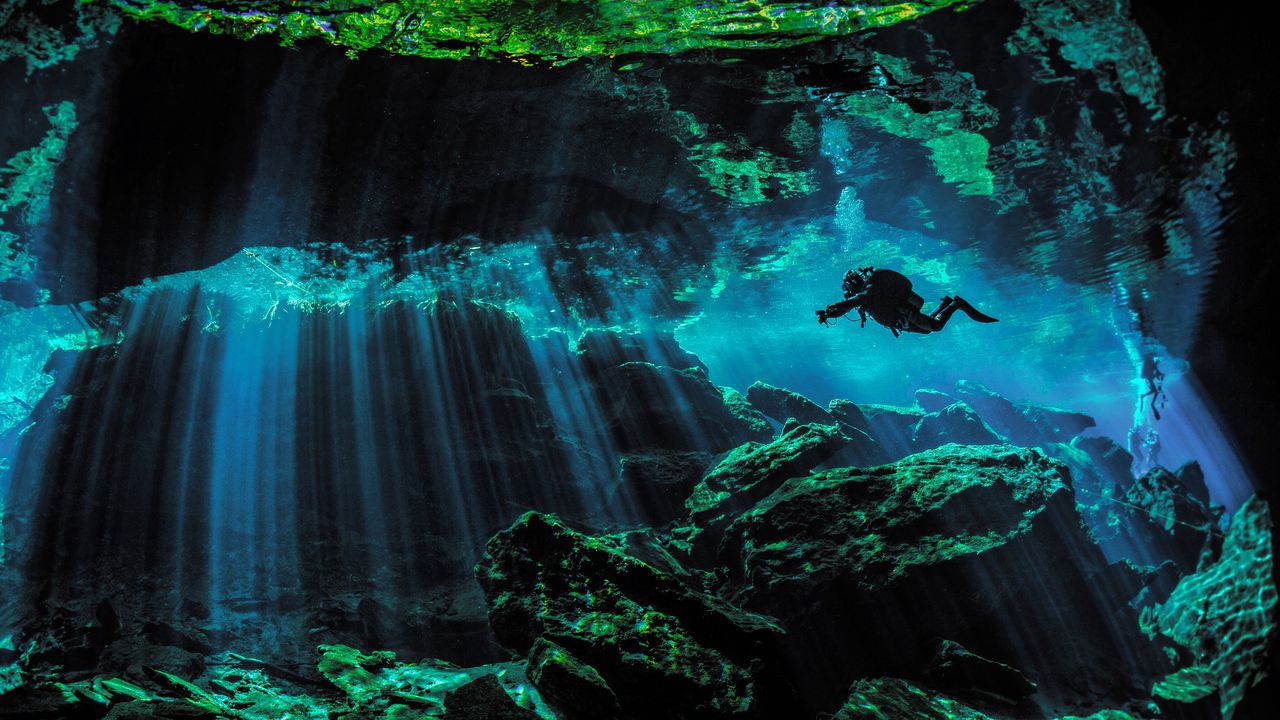
Underwater cenotes, Puerto Aventuras, Mexico
© Extreme Photographer/Getty Image
Cenotes, Mexico
Like a giant block of Swiss cheese, Mexico’s Yucatan Peninsula is permeated with holes called cenotes. Cenotes form when subterranean limestone dissolves, allowing underground water to get through. The rock above may collapse, forming a pit and revealing the cool, often crystal-clear water, while other cenotes may remain hidden and unexplored. Cenotes vary in size from very small to several dozen metres across, and recent discoveries have shown that cenotes lead to a series of underground cave systems that can span several kilometres in length.
In a region with little rainfall and no rivers or streams, the Yucatan’s 6,000 cenotes were vital to the many cities of the Mayan civilization that used them as a primary source of fresh water. While some of the peninsula’s cenotes have a mix of salt water and fresh water, many of the holes have remarkably clean fresh water that has slowly filtered through rock. The light that reaches into the underground chambers creates a magical effect. It makes for fantastic swimming and diving opportunities. Many of the larger cenotes feature platforms and ropes to jump off, and they are often located near historically significant Mayan ruins.
Related Images
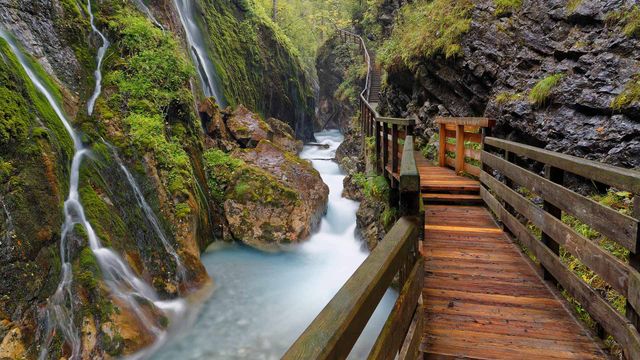 Wimbachklamm, Ramsau, Bavaria, Germany
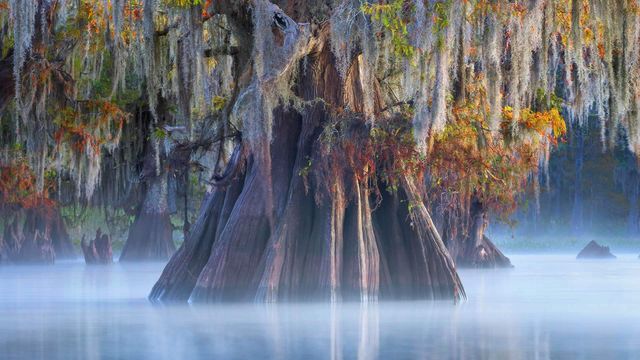 A cypress in the Atchafalaya Basin, Louisiana
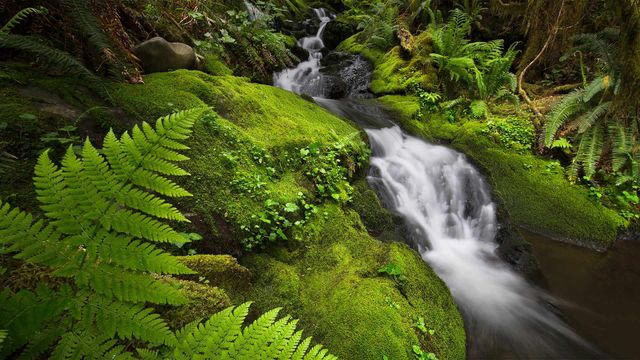 The Quinault Rainforest in Olympic National Park, Washington
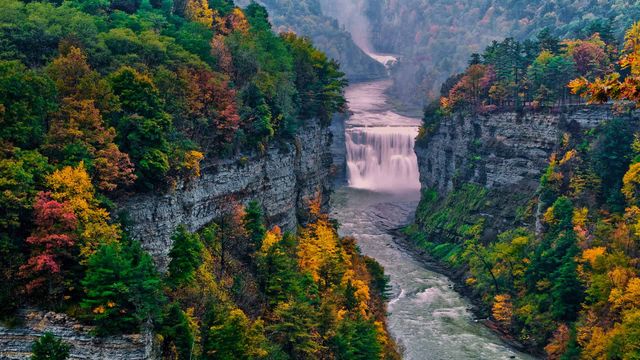 Letchworth State Park, New York
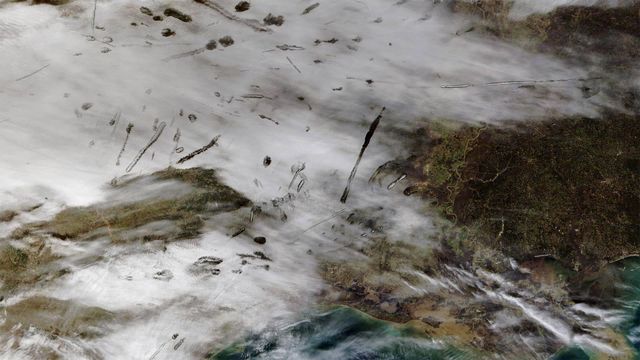 From NASA’s Terra satellite, an image of fallstreak holes in clouds over the southern United States
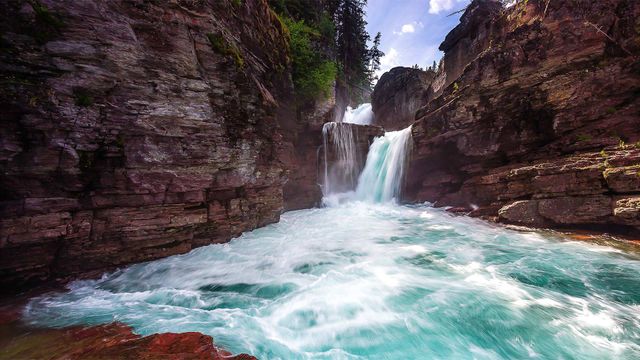 St. Mary Falls in Glacier National Park, Montana
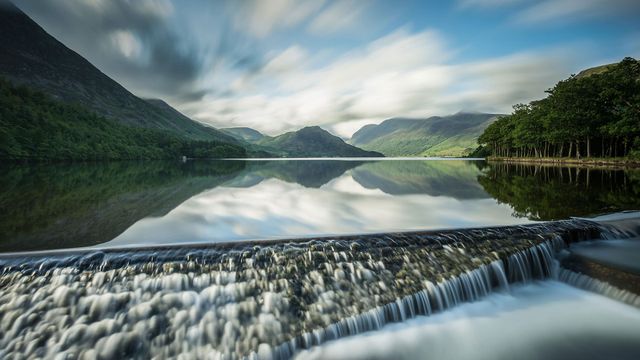 Reflections on Crummock Water in the Lake District, Cumbria, England
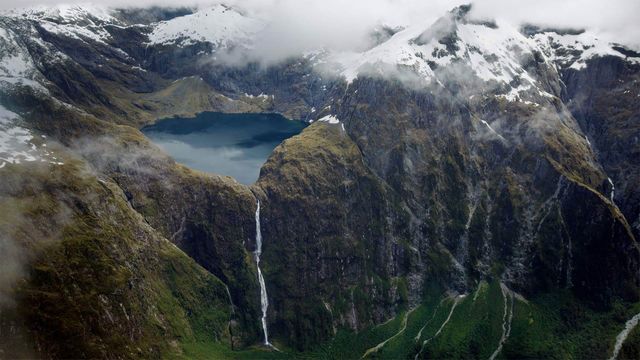 Sutherland Falls and Lake Quill in New Zealand
Bing Today Images