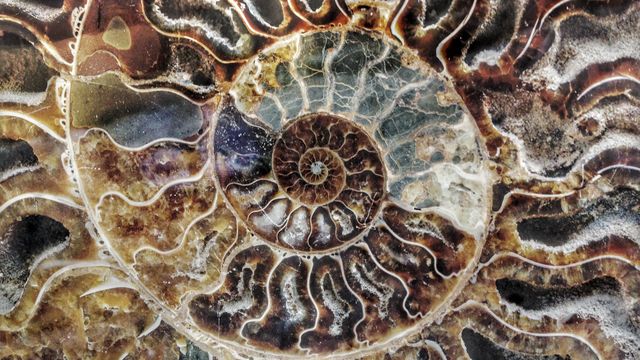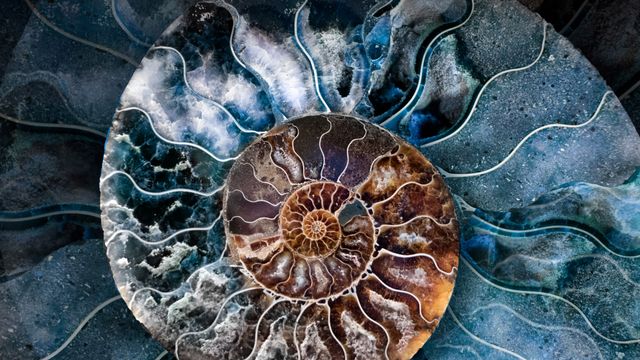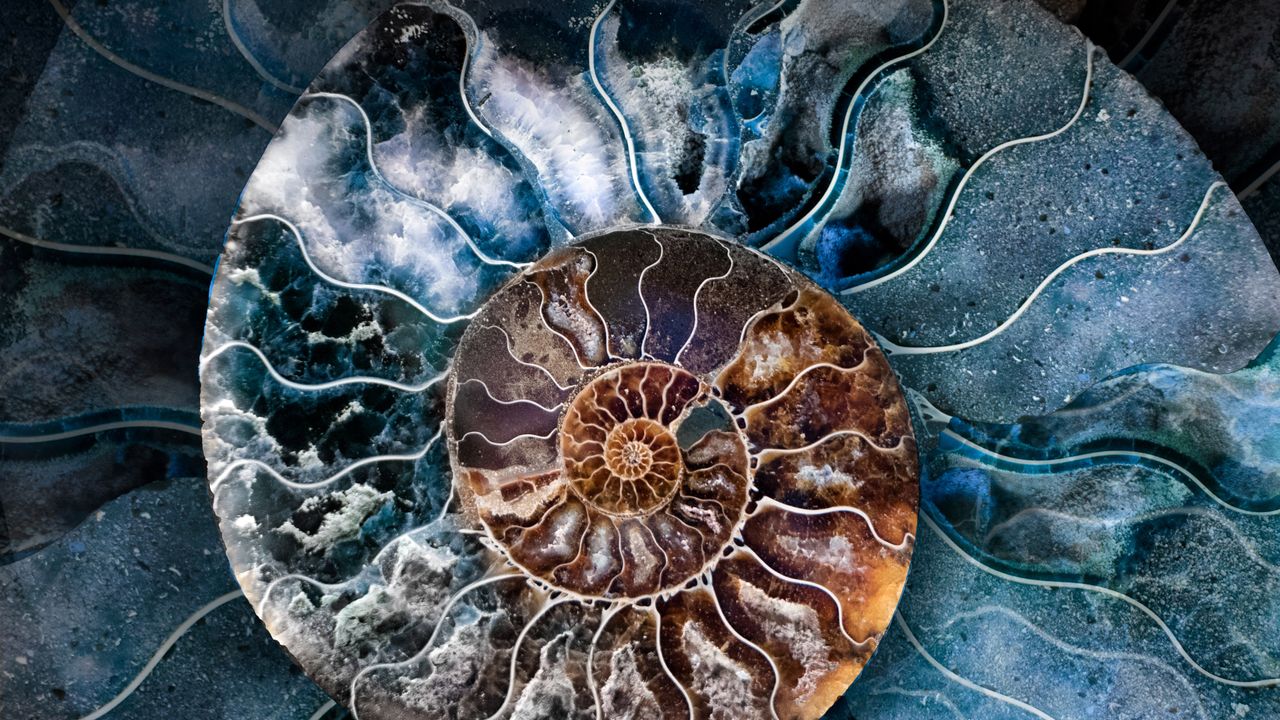
Cross-section of a fossilized ammonite shell
© Marianna Armata/Getty Image
As easy as 1, 1, 2, 3…. Fibonacci Day
It's a bit of a fib that Fibonacci, the 13th-century Italian math whiz, was the first to sketch out a number sequence by adding each number to the preceding number: 1, 1, 2, 3, 5, 8, 13, and so on forever. In fact, Hindu scholars described the sequence centuries before Fibonacci, and they probably weren't the first to figure it out either. But in any case, each November 23—that is, 11/23—we celebrate the infinite series known as the Fibonacci sequence.
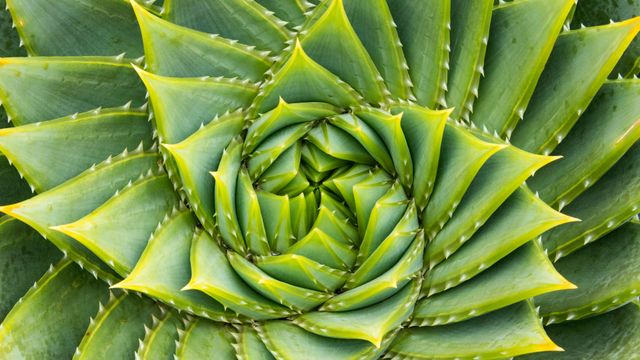
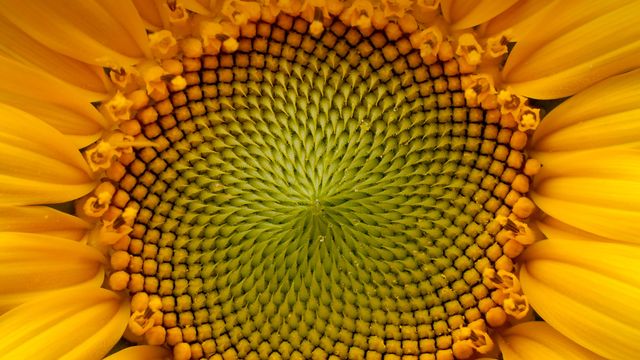
What is clear—maybe, if you can picture it: If you properly arrange squares of the areas 1x1, 1x1, 2x2, 3x3, 5x5, 8x8, etc., on graphing paper, a curved line drawn through each square will form a perfect expanding spiral not unlike the ammonite fossil cross-sectioned here. Not every spiral in nature expresses a perfect Fibonacci sequence, but nature does seem to have a thing for spirals. And in that sense the Fibonacci sequence seems especially elegant.
Related Images
 Latona Fountain in the Gardens of Versailles for the 100th anniversary of the Paris Peace Conference
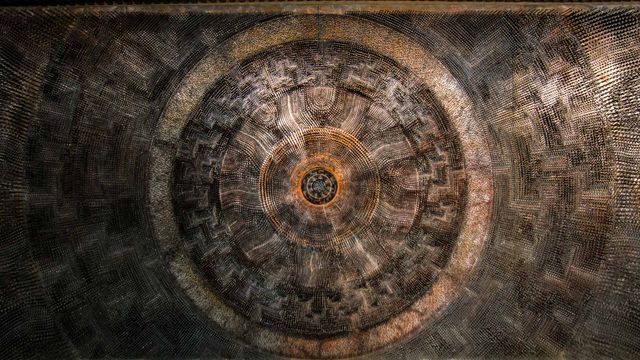 A wall of nails inside the Toronto City Hall
 Memorial to the Murdered Jews of Europe in Berlin, Germany
 Illuminated icicles in Chichibu, Japan
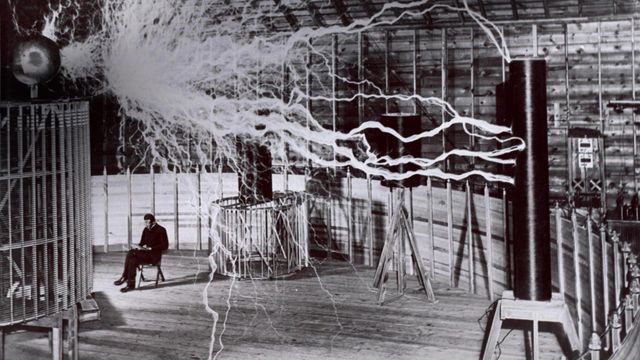 For Science Fiction Day, inventor Nikola Tesla and his ‘magnifying transmitter’
 Vinicunca Mountain in the Cusco Region of Peru
 Members of the Wild Red Flame Mardi Gras Indians in New Orleans, Louisiana
 Ice sculptures during Winterlude Festival, Ottawa
Bing Today Images