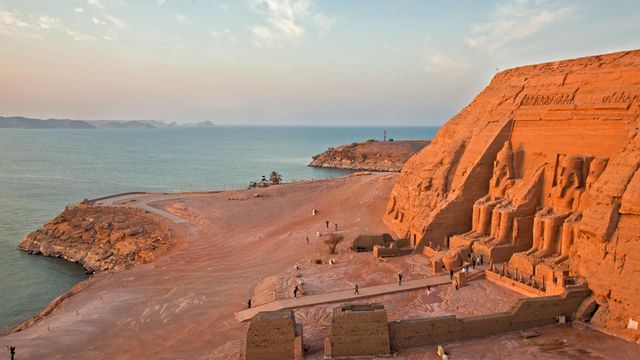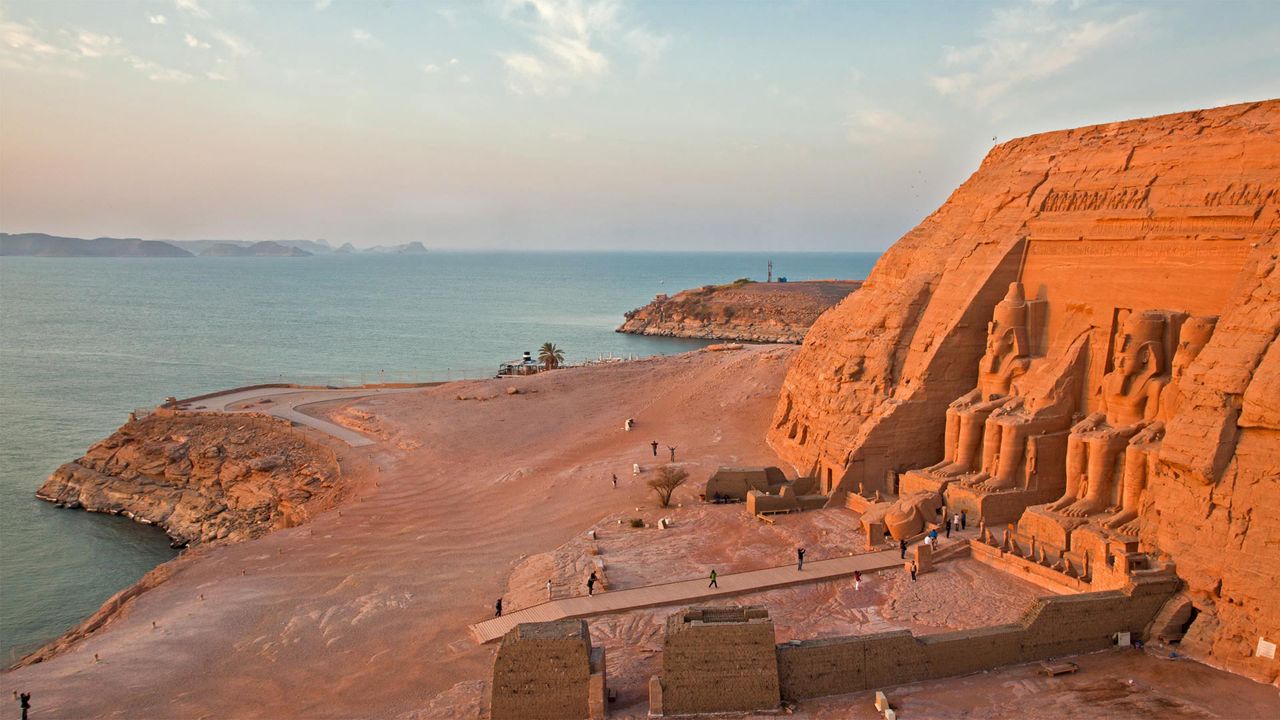
Abu Simbel temples on the west shore of Lake Nasser, Egypt
© George Steinmetz/Getty Image
3,000 years of history. Egypt’s mysteries still delight
These massive temples – known today as Abu Simbel – were built in the 13th century BCE by the pharaoh Ramesses II. He left a legacy of monuments and temples across Egypt, many of which, like Abu Simbel, featured Ramesses II himself as the star attraction. But over the centuries, these temples were almost completely buried in sand and forgotten. It was not until the early 1800s when an explorer saw the heads of the colossal statues poking through the sand that the temples were again ‘discovered’. Then, in the 20th century, rising waters of the Nile threatened to flood the site. The temples were disassembled and relocated to a nearby hill. The process took almost five years and required that workers cut the temples into pieces and reassemble them exactly as they were built 3,000 years ago. We think Ramesses II would approve.
Related Images
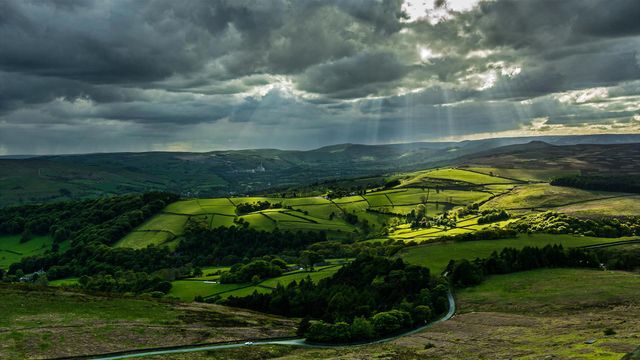 Hope Valley in the Peak District
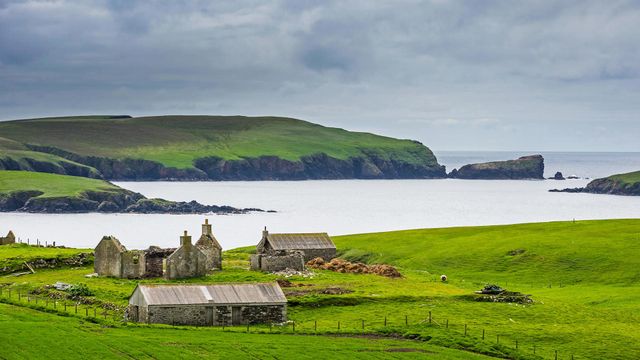 An old farm in the Shetland Islands, Scotland
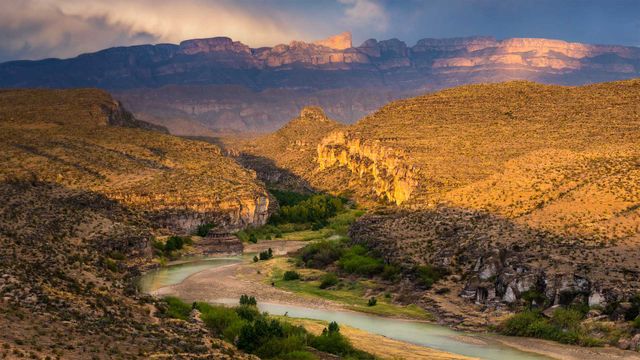 Rio Grande and Sierra del Carmen mountains in Big Bend National Park, Texas, USA
 Light from sunrise through a sea cave on the Isle of Skye, Scotland
 The Skellig Islands, Skellig Michael and Little Skellig, in Ireland
 Tŵr Mawr lighthouse on Llanddwyn Island in Anglesey, North Wales
 Rajgad Fort near Pune, India
 The Sun Voyager sculpture by Jón Gunnar Árnason in Reykjavik, Iceland
Bing Today Images